Poor Circulation in Head and Neck: 7 Prevention Tips
Medical Disclaimer: The information provided in this article is for educational and informational purposes only and does not constitute medical advice. Always consult a qualified healthcare provider regarding any medical condition or treatment.
Introduction
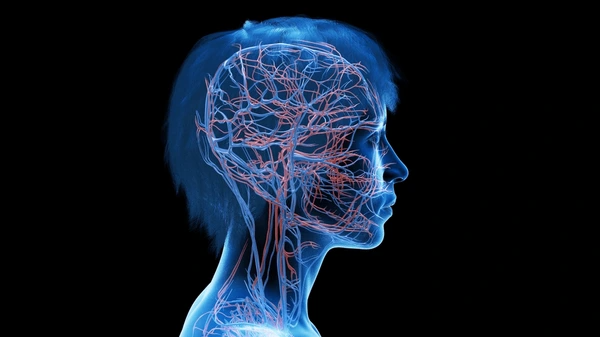
Managing poor circulation in head and neck tissues is vital for overall vitality. Typically, conversations about vascular wellness focus on the heart or legs. However, the cervical circulatory network is equally active. In fact, blood vessels in the neck constantly pump fluid upward against gravity. They deliver fresh oxygen to postural muscles, connective tissues, and the scalp.
When blood vessels lose elasticity, localized perfusion declines. Consequently, tissues in the upper body receive less oxygen. This reduction often triggers persistent neck stiffness and shoulder heaviness. In addition, people may experience dull muscular fatigue throughout the day. Recognizing the early signs of poor circulation in head and neck vessels is essential. Therefore, taking proactive steps early helps preserve long-term vascular health.
Fortunately, your blood vessels respond rapidly to positive daily habits. For example, simple dietary adjustments support arterial flexibility. Regular aerobic walking also promotes steady venous return. Furthermore, staying hydrated maintains optimal blood volume. By prioritizing preventative care, you can support robust blood flow through your neck and head.
What Is Poor Circulation in Head and Neck Tissues?
Poor circulation in head and neck tissues occurs when blood flow becomes sluggish. Under healthy conditions, the heart propels oxygenated blood through flexible arteries. Next, this blood reaches microscopic capillaries. Here, red blood cells release oxygen and absorb metabolic waste. Afterward, cervical veins carry deoxygenated blood back to the chest.
However, this coordinated process can falter. When it does, localized tissue perfusion drops significantly. In modern vascular medicine, researchers attribute this issue to endothelial dysfunction [Source: National Institutes of Health – Vascular Endothelium in Health and Disease]. The endothelium is the delicate inner lining of your blood vessels. Under normal conditions, it releases nitric oxide to relax surrounding muscle fibers. Thus, healthy vessels dilate easily to maintain balanced flow.
+-----------------------------------------------------------------------------------+
|                        THE VASCULAR COMPROMISE SEQUENCE                           |
+-----------------------------------------------------------------------------------+
  Endothelial Inactivation OR Sustained Cervical Muscle Compression
                                    |
                                    v
  Decreased Nitric Oxide Release & Impaired Arterial Dilation
                                    |
                                    v
  Microvascular Vasoconstriction & Elevated Hydrostatic Resistance
                                    |
                                    v
  Sluggish Capillary Exchange: Reduced Oxygen Delivery & Fluid Stagnation
                                    |
                                    v
  Cervical Muscle Fiber Heaviness, Postural Fatigue & Connective Tightness
+-----------------------------------------------------------------------------------+
Several primary factors impair upper-body circulation:
-
Arterial stiffening: Aging and oxidative stress degrade vessel elastin. As a result, arteries lose their natural flexibility.
-
Plaque accumulation: Fatty deposits narrow conduit vessels over time. Consequently, less blood passes through vital cervical arteries.
-
Impaired venous return: Inactive neck muscles slow downward blood drainage. Therefore, deoxygenated blood pools in the upper body.
-
Capillary wall fragility: Weakened microvessels struggle to manage fluid exchange. To learn how microvessels withstand pressure, review our clinical guide on capillary resistance and fragility.
How Poor Circulation in Head and Neck Develops
Understanding this condition requires examining cervical vascular anatomy. Arterial blood reaches the head via two main routes. First, the carotid arteries supply the front of the neck. Second, the vertebral arteries thread upward through the cervical spine. In contrast, deoxygenated blood drains downward through the jugular veins.
+-----------------------------------------------------------------------------------+
|               VASCULAR PATHWAYS OF THE CERVICAL & CRANIAL REGION                  |
+-----------------------------------------------------------------------------------+
  Conduit Arteries:
  - Common, Internal & External Carotid Arteries (Anterior Cervical Inflow)
  - Vertebral Arteries (Posterior Cervical Inflow)
                                    |
                                    v
  Microvascular Exchange:
  - Cervical Muscle Capillary Beds (Postural Muscle Oxygenation)
  - Dermal & Scalp Microcirculation (Nutrient Delivery & Thermoregulation)
                                    |
                                    v
  Venous Drainage:
  - Internal & External Jugular Veins (Gravity-Assisted Deoxygenated Outflow)
+-----------------------------------------------------------------------------------+
Because these vessels work against gravity, they require optimal pressure. When vascular elasticity drops, several clear symptoms emerge across the neck and head.
Postural Muscle Fatigue and Stiffness
Cervical postural muscles work continuously to hold the head upright. Therefore, they demand a steady supply of oxygenated blood. When capillary blood delivery declines, these muscle fibers experience localized hypoxia. In addition, sluggish venous drainage allows metabolic waste to accumulate. As a result, people feel persistent neck tightness, heaviness, and muscular ache.
Microvascular Dermal Changes
The skin of the neck and face contains extensive capillary loops. When microcirculation declines, skin cells receive fewer essential nutrients. Consequently, the skin may feel cool or appear unusually pale. For a deeper look at connective tissue support, explore our guide on collagen formulations for cellular and matrix support.
Postural Hemodynamic Fluctuations
Healthy blood vessels adjust their diameter when you change body positions. However, stiff vessels react much more slowly. For example, standing up quickly can cause a brief drop in upper-body blood delivery. Thus, individuals may feel momentary lightheadedness until arterial pressure stabilizes.
7 Prevention Strategies for Poor Circulation in Head and Neck
Daily lifestyle habits directly influence your vascular health. Specifically, consistent preventative choices preserve vessel elasticity and encourage healthy upper-body blood flow.
+-----------------------------------------------------------------------------------+
|               7 PILLARS OF DAILY VASCULAR HEALTH & PERFUSION                      |
+-----------------------------------------------------------------------------------+
  1. Targeted Diet        --> Dietary Nitrates (Beets, Greens) & Omega-3s
  2. Rhythmic Movement    --> 150 Mins/Week of Walking, Cycling, or Swimming
  3. Consistent Hydration --> Sustained Blood Plasma Volume & Viscosity Control
  4. Restorative Sleep    --> Nocturnal Blood Pressure Dips & Endothelial Rest
  5. Stress Modulation    --> Reduced Sympathetic Vasoconstriction
  6. Toxin Avoidance      --> Eliminating Tobacco Smoke & Limiting Alcohol
  7. Regular Screenings   --> Blood Pressure, Lipid Profiles & Fasting Glucose
+-----------------------------------------------------------------------------------+
1. Optimize Diet for Poor Circulation in Head and Neck
Your food choices provide the biochemical building blocks for vessel health. In particular, certain whole foods stimulate endogenous nitric oxide production:
-
Inorganic nitrates (beets and leafy greens): Beetroot, spinach, and arugula are exceptionally rich in natural nitrates. Inside the body, these compounds convert into nitric oxide. This messenger instructs vascular smooth muscle to relax. Research shows that dietary nitrates support endothelial function and help maintain normal blood pressure [Source: PubMed – Dietary Nitrate Supplementation in Cardiovascular Health].
-
Omega-3 fatty acids: Cold-water fish like salmon and sardines supply valuable EPA and DHA. Studies indicate that omega-3 intake supports arterial compliance and lowers blood viscosity [Source: PubMed – Omega-3 Fatty Acids and Endothelial Function].
-
Essential vascular minerals: Balancing dietary minerals helps protect microvascular function. Learn how trace minerals interact in our clinical guide on zinc timing and mineral interactions. Additionally, read our practical overview of nitric oxide foods for venous compliance.
2. Engage in Daily Aerobic Exercise and Regular Movement
Physical movement is the primary mechanical pump for your circulatory system. When skeletal muscles contract, they physically compress nearby veins. Consequently, this pumping action pushes blood back toward the heart.
Furthermore, exercise increases intravascular shear stress along vessel walls. This physical friction stimulates endothelial cells to produce more nitric oxide. The American Heart Association recommends at least 150 minutes of moderate aerobic activity weekly [Source: American Heart Association Physical Activity Guidelines].
Beneficial movement strategies include:
-
Brisk walking: A 30-minute daily walk elevates your heart rate. In turn, it dilates peripheral capillaries and assists venous return.
-
Gentle neck stretches: Slow neck rotations release chronic muscle tension. Therefore, they prevent tight muscles from compressing local microvessels.
-
Ergonomic standing breaks: Standing up every 45 minutes relieves neck flexion. As a result, carotid and vertebral arteries remain uncompressed.
3. Maintain Consistent Hydration to Prevent Poor Circulation in Head and Neck
Water makes up the vast majority of human blood. In fact, blood plasma accounts for roughly 55% of total blood volume. When you drink insufficient water, your circulating blood volume contracts. Consequently, blood viscosity increases significantly. Thicker blood creates friction against arterial walls. Therefore, the heart must pump harder to move blood upward to the head.
Studies confirm that even mild dehydration impairs endothelial function during daily routines [Source: PubMed – Dehydration and Vascular Resistance Study]. To safeguard against poor circulation in head and neck vessels:
-
Drink clean water consistently throughout the day.
-
Increase your fluid intake during warm weather or exercise.
-
Check your urine color regularly; pale yellow indicates proper hydration.
4. Prioritize High-Quality, Restorative Sleep
Sleep represents an active window of vascular repair. During deep sleep, your heart rate slows down naturally. Furthermore, your blood pressure drops by 10% to 20%—a process known as nocturnal dipping. This nocturnal dip relieves mechanical stress on arterial linings. Consequently, endothelial cells undergo vital metabolic maintenance.
In contrast, chronic sleep deprivation keeps blood pressure elevated. Clinical studies link poor sleep quality with reduced vascular elasticity and cardiovascular strain [Source: National Institutes of Health – Sleep and Cardiometabolic Factors]. Therefore, aim for 7 to 9 hours of restful sleep every night. Keep your bedroom quiet, dark, and cool to support healthy vascular recovery.
5. Practice Proactive Stress Management
Emotional stress triggers your sympathetic nervous system. In response, your body releases adrenaline and cortisol. These stress hormones cause rapid vasoconstriction, narrowing peripheral blood vessels.
Chronic daily stress keeps cervical blood vessels persistently constricted. As a result, blood flow to neck muscles and the scalp remains low. Fortunately, proactive stress reduction stimulates the parasympathetic nervous system:
-
Diaphragmatic breathing: Slow belly breaths help lower arterial tone. For instance, try inhaling for 4 seconds and exhaling for 6 seconds.
-
Progressive relaxation: Consciously releasing shoulder tension relieves mechanical pressure on surrounding veins.
-
Outdoor walks: Spending time in nature lowers stress hormones. Thus, it fosters a more relaxed vascular state.
6. Avoid Tobacco Smoke and Limit Alcohol Intake
Exogenous chemical toxins inflict immediate damage on your circulatory system:
-
Avoid all tobacco and nicotine: Tobacco smoke damages the delicate endothelial lining. In addition, nicotine causes immediate arterial constriction. Carbon monoxide also displaces oxygen from hemoglobin. The World Health Organization identifies tobacco avoidance as crucial for vascular health [Source: World Health Organization Cardiovascular Disease Fact Sheet].
-
Moderate alcohol intake: Excess alcohol consumption stiffens arterial walls over time. Moreover, it impairs the natural autonomic control of blood vessels. Limiting alcohol preserves endothelial reactivity and prevents dehydration.
7. Schedule Regular Cardiovascular Health Screenings
Preventative lifestyle habits work best alongside routine medical monitoring. Many vascular changes develop quietly over decades without symptoms. Regular checkups help you detect circulatory risk factors early:
-
Blood pressure checks: Routine blood pressure screening detects hypertension early. This prevents chronic pressure damage to arterial walls [Source: American Heart Association Heart-Health Screenings].
-
Fasting lipid panels: Monitoring cholesterol levels helps prevent arterial plaque buildup.
-
Blood glucose tests: Elevated blood sugar damages microvascular beds over time. Therefore, maintaining healthy glucose levels protects cervical capillaries.
Prevention Strategies Summary
| Strategy | Primary Mechanism | Practical Daily Action |
| Dietary Nitrates & Healthy Fats | Stimulates nitric oxide; preserves arterial elasticity | Eat beets, dark leafy greens, and cold-water fish weekly |
| Aerobic Exercise | Generates vascular shear stress; promotes vasodilation | Complete 150 minutes of moderate-intensity brisk walking weekly |
| Adequate Hydration | Sustains optimal blood plasma volume; lowers viscosity | Drink water consistently throughout the day |
| Restorative Sleep | Facilitates nocturnal blood pressure dipping and vessel repair | Maintain 7 to 9 hours of consistent, uninterrupted nightly sleep |
| Stress Modulation | Dampens sympathetic vasoconstriction; relaxes tone | Practice daily diaphragmatic breathing and postural relaxation |
| Tobacco & Alcohol Avoidance | Protects endothelial lining from chemical toxicity | Avoid all tobacco/nicotine products; limit alcohol intake |
| Regular Checkups | Detects elevated arterial pressure and lipid imbalances early | Schedule annual blood pressure and metabolic panel screenings |
When to See a Doctor for Poor Circulation in Head and Neck
Lifestyle habits support daily blood flow effectively. However, certain warning signs require professional medical evaluation. Severe circulatory deficits can indicate structural carotid narrowing or systemic cardiovascular disease.
Seek prompt medical care if you experience:
-
Persistent coldness or noticeable bluish discoloration in your neck or face.
-
Frequent episodes of dizziness or fainting when standing.
-
A pulsating, tender swelling along either side of your neck.
-
Sudden neck discomfort paired with chest pressure or shortness of breath.
-
Unexplained swelling near your collarbone that does not resolve.
A physician can perform specialized non-invasive tests, such as a carotid duplex ultrasound. This diagnostic tool evaluates arterial wall thickness and measures blood velocity accurately.
Frequently Asked Questions About Poor Circulation in Head and Neck
1. Can poor circulation in head and neck make muscles feel stiff?
Yes, reduced blood flow directly causes muscular tightness. Skeletal muscles depend on arterial blood for continuous oxygen. When capillary circulation decreases, metabolic waste products accumulate. Consequently, muscle fibers become fatigued, stiff, and prone to aching.
2. How quickly can dietary improvements help blood flow?
Certain dietary adjustments improve vascular tone within hours. For example, clinical research shows that drinking beetroot juice raises nitric oxide levels quickly. As a result, arterial dilation improves within two to three hours. However, lasting structural elasticity requires consistent nutritional habits over months.
3. Does poor posture worsen poor circulation in head and neck vessels?
Yes, posture plays a significant mechanical role in circulation. Slouching or looking down at screens strains cervical muscles continuously. In turn, tight muscles physically compress nearby microvessels and jugular veins. Taking regular ergonomic breaks keeps these vital vascular channels open.
4. What is the difference between arterial and venous flow in the neck?
Arterial vessels pump oxygenated blood upward from the heart under higher pressure. In contrast, venous vessels carry deoxygenated blood downward toward the chest under lower pressure. Arterial transit depends on cardiac force, whereas venous drainage benefits from gravity and muscle movement.
Conclusion
The vascular tree supplying the cervical region is an indispensable physiological network. When poor circulation in head and neck tissues develops, upper-body tissues suffer from reduced oxygenation. Over time, this deficit can lead to persistent muscular fatigue and neck heaviness.
Fortunately, supporting your blood vessels is an achievable daily practice. By consuming nitrate-rich vegetables, walking briskly every day, and drinking enough water, you promote healthy circulation. Furthermore, restful sleep and stress management protect your endothelial lining.
Combining these proactive habits with regular checkups builds a strong defense against vascular decline. Start prioritizing your blood vessels today to ensure smooth, efficient circulation throughout your entire upper body.
Editorial Note
This article was independently researched and written based on current publicly available peer-reviewed nutritional literature and does not represent the views of, and is not affiliated with, any external publication referenced.
References
-
Deanfield, J. E., et al. (2007). Endothelial function and dysfunction: testing and clinical relevance. Circulation, 115(10), 1285–1295. https://doi.org/10.1161/CIRCULATIONAHA.106.652859
-
Kapil, V., et al. (2015). Dietary nitrate provides sustained blood pressure lowering in hypertensive patients: a randomized, phase 2, double-blind, placebo-controlled study. Hypertension, 65(2), 320–327. https://doi.org/10.1161/HYPERTENSIONAHA.114.04675
-
Khan, F., et al. (2021). Effects of omega-3 fatty acids on endothelial function: a systematic review and meta-analysis of randomized controlled trials. The American Journal of Clinical Nutrition, 114(4), 1464–1476. https://doi.org/10.1093/ajcn/nqab208
-
Piercy, K. L., et al. (2018). The Physical Activity Guidelines for Americans. JAMA, 320(19), 2020–2028. https://doi.org/10.1001/jama.2018.14854
-
Arnaoutis, G., et al. (2017). Mild hypohydration impairs endothelial function in healthy young men. European Journal of Nutrition, 56(3), 1211–1217. https://doi.org/10.1007/s00394-016-1170-8
-
St-Onge, M. P., et al. (2016). Sleep duration and quality: impact on lifestyle behaviors and cardiometabolic health: a scientific statement from the American Heart Association. Circulation, 134(18), e367–e386. https://doi.org/10.1161/CIR.0000000000000444
-
World Health Organization. (2020). WHO global report on trends in prevalence of tobacco use 2000–2025 (3rd ed.). World Health Organization. https://www.who.int/publications/i/item/9789240014602
-
Whelton, P. K., et al. (2018). 2017 ACC/AHA/AAPA/ABC/ACPM/AGS/APhA/ASH/ASPC/NMA/PCNA Guideline for the Prevention, Detection, Evaluation, and Management of High Blood Pressure in Adults. Journal of the American College of Cardiology, 71(19), e127–e248. https://doi.org/10.1016/j.jacc.2017.11.006
1 Comment
Pelvic Venous Insufficiency: Causes, Symptoms & Treatment - The Veins Vercel
[…] Furthermore, chronic vascular pooling can disrupt systemic microcirculation in connected areas. For insights into how poor upper-body circulation manifests, explore our guide on Poor Circulation in Head and Neck. […]