The Frugal Biohacker: How to Master Ketosis for Longevity on a Budget
Medical Disclaimer: The information provided in this article is for educational and informational purposes only and does not constitute medical advice. Always consult a qualified healthcare provider regarding any medical condition or treatment.
Introduction
The ketogenic diet has firmly established itself as a premier tool in the world of Biohacking & Longevity. Its potential to enhance cognitive function, reduce inflammation, and promote cellular cleanup through autophagy has captured the attention of health optimizers worldwide. Yet, a pervasive myth surrounds this metabolic strategy: that it is an expensive endeavor, reserved for those who can afford grass-fed ribeyes, artisanal avocado oil, and an endless supply of pre-packaged “keto-friendly” snacks.
This perception is not only inaccurate but also undermines the core principles of genuine health optimization. True biohacking isn’t about buying expensive products; it’s about intelligently manipulating biological systems for improved performance and longevity. The great news is that achieving a state of nutritional ketosis can be one of the most cost-effective and powerful interventions for your long-term health. It requires a shift in mindset—from consumer to strategist, from convenience to intentionality.
This guide will deconstruct the high-cost keto myth and provide a blueprint for a frugal, effective, and sustainable ketogenic lifestyle. This is not about “being cheap”; it’s about being smart, efficient, and prioritizing nutrient density over expensive marketing. By focusing on whole, unprocessed foods and strategic preparation, you can unlock the profound metabolic benefits of ketosis and invest in your future health without depleting your financial resources.
Why Ketosis? The Biohacker’s Rationale for Metabolic Optimization
Before diving into the economics, it’s crucial to understand why ketosis is such a sought-after state for longevity enthusiasts. When you significantly restrict carbohydrates, your body shifts its primary fuel source from glucose to fats. The liver begins breaking down fatty acids into ketone bodies—primarily beta-hydroxybutyrate (BHB), acetoacetate, and acetone. This metabolic state is called ketosis.
Beyond simple fuel substitution, this shift initiates a cascade of beneficial biological signals:
Cellular Autophagy:
Ketosis, particularly when combined with fasting, is a potent trigger for autophagy. This is the body’s cellular recycling program, where damaged cells and dysfunctional proteins are cleared away to make room for new, healthy ones. This process is fundamental to slowing the aging process and reducing the risk of age-related diseases.
Mitochondrial Biogenesis:
Ketones are a more efficient fuel for our cellular power plants, the mitochondria. They produce more ATP (energy) per unit of oxygen than glucose and generate fewer reactive oxygen species (ROS), a form of metabolic “exhaust” that contributes to oxidative stress and aging. A ketogenic state can also signal the body to create new, healthy mitochondria.
Reduced Inflammation:
The standard Western diet, high in refined carbohydrates and sugar, is notoriously pro-inflammatory. A well-formulated ketogenic diet, by its very nature, eliminates these triggers. Furthermore, the ketone body BHB has been shown to act as a signaling molecule that can directly inhibit inflammatory pathways in the body.
Enhanced Cognitive Function:
The brain loves ketones. Many individuals in ketosis report heightened mental clarity, focus, and a reduction in “brain fog.” This is because ketones provide a stable, consistent energy source for the brain, unlike the energetic peaks and valleys associated with glucose metabolism. Research continues to explore the therapeutic potential of ketogenic diets for a range of neurological conditions, underscoring its profound impact on brain health.
The High Cost of Convenience: Why Processed “Keto” Foods Are a Poor Investment
Walk down the aisles of any modern supermarket, and you’ll find a booming industry built on keto-branded convenience. Bars, cookies, breads, cereals, and shakes promise ketogenic compliance in a convenient wrapper. While they may be low in net carbs, these products are often a triple threat: they are expensive, nutritionally inferior, and can even hinder your health goals.
From a biohacker’s perspective, these items are a poor investment for several reasons:
* Inflammatory Ingredients:
To mimic the texture and taste of their high-carb counterparts, these products often rely on industrial seed oils (like sunflower, safflower, or canola oil), which are high in inflammatory omega-6 fatty acids.
* Questionable Sweeteners:
Many contain artificial sweeteners or sugar alcohols that can cause digestive distress, negatively impact the gut microbiome, and, for some individuals, still provoke an insulin response.
* Low Nutrient Density:
A keto-branded cookie is still a cookie. It provides calories and macronutrients but offers little in the way of essential vitamins, minerals, and phytonutrients found in whole foods.
* High Financial Cost:
The premium price tag on these specialty items can quickly make a ketogenic diet seem unsustainable. A box of keto-friendly granola can cost as much as several dozen eggs or pounds of nutrient-rich vegetables.
The frugal biohacker understands that the most effective path to metabolic health is paved with whole, single-ingredient foods. Avoiding the “keto” aisle is not just a money-saving tactic; it is a superior health strategy.
The Pillars of an Economical Ketogenic Strategy
Building a sustainable, budget-friendly ketogenic lifestyle revolves around a few core principles. This is where you apply systems thinking to your nutrition, optimizing for both health outcomes and financial efficiency.
Pillar 1: Strategic Protein and Fat Sourcing
Protein and fat are the cornerstones of the ketogenic diet, and they are often perceived as the most expensive components. The key is to source them intelligently.
* Embrace Cheaper Cuts:
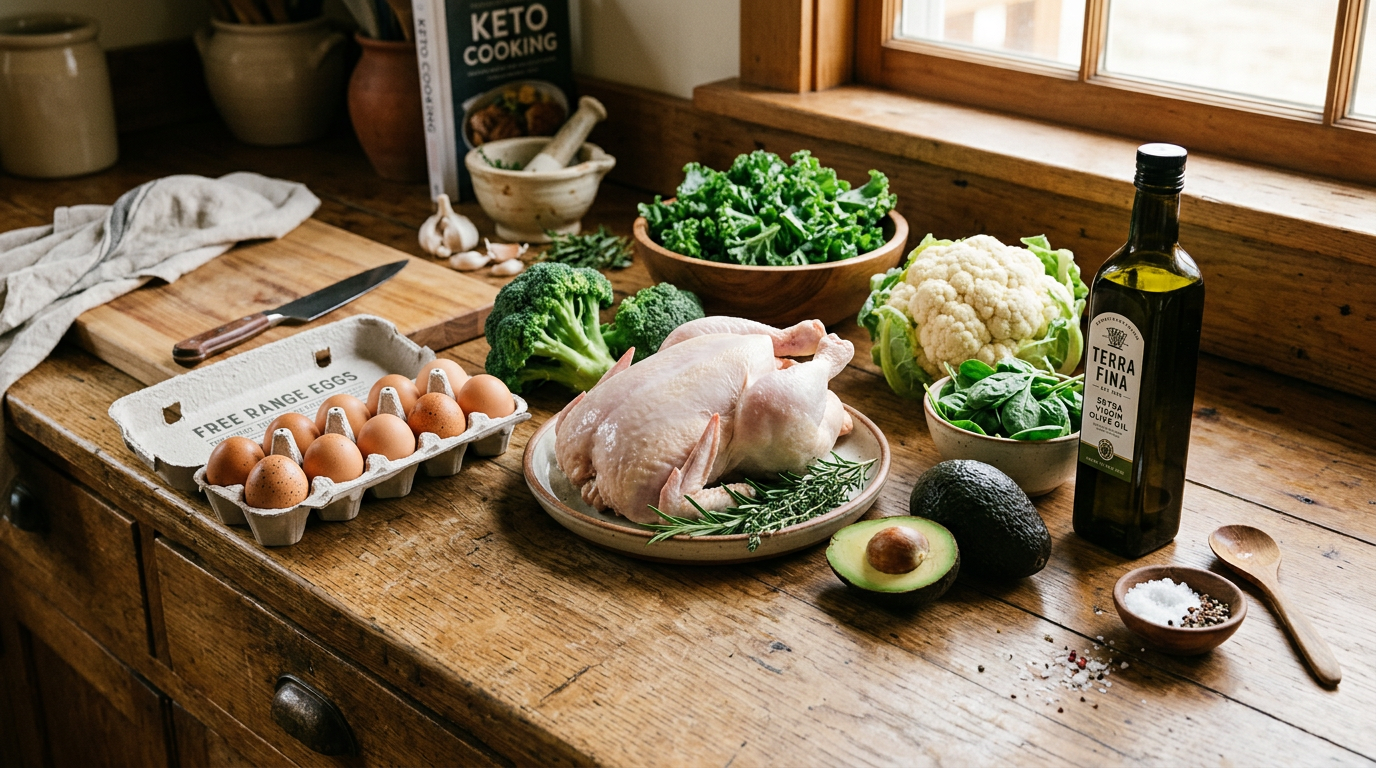
Forego the expensive filet mignon and ribeyes. Chicken thighs, with their higher fat and collagen content, are often cheaper and more flavorful than lean chicken breasts. Pork shoulder (or “pork butt”) is an inexpensive cut perfect for slow cooking or pulled pork. Large cuts of beef, like chuck roast, are economical and become tender and delicious when braised or stewed.
* Champion Ground Meats:
Ground beef, pork, and turkey are versatile and consistently among the most affordable protein options. Look for higher-fat varieties (e.g., 70/30 or 80/20 ground beef), which are ideal for keto and usually cheaper than leaner options.
* Leverage the Power of Eggs:
Eggs are a nutritional powerhouse and arguably the most perfect and affordable keto food. They provide high-quality protein and healthy fats, along with choline for brain health and lutein for eye health.
* Discover Organ Meats:
For the truly dedicated biohacker, organ meats like beef liver are the ultimate superfood. They are extraordinarily dense in nutrients like Vitamin A, B12, copper, and iron, and they are incredibly inexpensive. A small serving once or twice a week can provide a massive nutritional boost for pennies on the dollar.
* Utilize Canned Fish:
Canned sardines, mackerel, and wild-caught salmon are excellent, affordable sources of both protein and anti-inflammatory omega-3 fatty acids (EPA and DHA). Choose those packed in olive oil or water, not industrial seed oils.
Pillar 2: Master the Produce Aisle
Vegetables provide essential fiber, micronutrients, and electrolytes. You don’t need expensive, exotic produce to succeed.
* Buy Frozen:
Frozen vegetables are a frugal biohacker’s best friend. They are picked at peak ripeness and flash-frozen, which preserves their nutrient content—sometimes even better than fresh produce that has traveled for days. Frozen broccoli, cauliflower, spinach, and green beans are low-carb staples that are consistently cheaper than their fresh counterparts.
* Shop Seasonally:
Learn what grows in your region and when. Cabbage, zucchini, and leafy greens are often very inexpensive when they are in season. Farmers’ markets can be a great source for seasonal deals, especially near the end of the day.
* Focus on Nutrient-Dense Basics:
Prioritize low-carb vegetables like spinach, kale, Swiss chard, broccoli, cauliflower, cabbage, zucchini, and bell peppers. These form the foundation of a healthy keto diet.
Pillar 3: Build a Resilient, Low-Cost Pantry
Your pantry is your support system. Stocking it with a few key staples bought in bulk can save significant money over time.
* Healthy Fats:
Purchase large containers of extra virgin olive oil, coconut oil, or avocado oil. These are often cheaper per ounce in larger quantities and are stable for long-term storage.
* Nuts and Seeds:
Buy raw almonds, walnuts, pecans, chia seeds, and flax seeds from the bulk bins at your grocery store. You can take only what you need and avoid expensive packaging. Use them strategically as a source of healthy fats and for texture, but be mindful of portion sizes as their carbs can add up.
* Herbs and Spices:
A well-stocked spice rack is essential for making simple, inexpensive ingredients taste amazing. Buying spices in bulk from an ethnic grocery store or co-op is far cheaper than buying small jars from a conventional supermarket.
The Kitchen as Your Biohacking Lab
Consistency is key to reaping the long-term rewards of ketosis. Treating your kitchen like a lab and implementing systems for food preparation is the most effective way to stay on track and on budget.
* Batch Cook Everything:
Dedicate a few hours one day a week to meal prep. Roast a whole chicken, hard-boil a dozen eggs, cook a large batch of ground beef, chop your vegetables, and portion them into containers. This “systems thinking” approach removes decision fatigue during the busy week and prevents you from reaching for expensive, convenient options.
* Make Your Own Bone Broth:
This is the ultimate frugal biohack. After roasting a chicken, use the carcass to make a nutrient-rich bone broth. Simply simmer the bones in water with some vegetable scraps, salt, and a splash of apple cider vinegar for 8-24 hours. The resulting broth is rich in collagen, gelatin, and minerals—excellent for gut and joint health—and costs virtually nothing to make.
* DIY Electrolyte Drink:
Instead of buying expensive electrolyte powders, make your own “keto-ade.” Simply mix water with a pinch of sea salt (sodium), a pinch of a salt substitute like Nu-Salt or Lite Salt (potassium), and a small dose of a magnesium supplement (like magnesium citrate or glycinate). This simple concoction helps prevent the “keto flu” and costs pennies per serving.
This level of control over your food is a cornerstone of Preventative Medicine, as it eliminates the hidden sugars, inflammatory oils, and additives common in restaurant and processed foods.
Beyond Food: Free Biohacks to Enhance Ketosis
A truly holistic and frugal approach to metabolic health extends beyond the plate. Several powerful, cost-free strategies can amplify the benefits of your ketogenic diet.
Intermittent fasting (IF) is the most significant of these. By restricting your eating to a specific window each day (e.g., 8 hours), you give your body a longer period to deplete glycogen stores and deepen its state of ketosis. The synergy between fasting and a ketogenic diet is well-documented, as both promote autophagy and metabolic flexibility. Studies have shown that combining these approaches can be a powerful strategy for improving metabolic markers.
A Sustainable Path to Metabolic Longevity
The ketogenic diet is not a quick fix but a long-term metabolic strategy for health and longevity. Its success and sustainability hinge on its integration into your real-world life, including your financial reality.
By rejecting the expensive, processed “keto” industry and embracing a whole-foods, strategic, and frugal approach, you are doing more than just saving money. You are choosing a path that is more nutrient-dense, less inflammatory, and ultimately more aligned with the principles of long-term health optimization. Effective biohacking is about intelligence, not income. By implementing these principles, you can take profound control of your metabolic destiny and build a foundation for a long, healthy, and vital life.
Editorial Note: This article was independently researched and written based on current publicly available health information and does not represent the views of, and is not affiliated with, any external publication referenced.
1 Comment
The Science of Ketosis: A Biohacker's Guide to Metabolic Health and Longevity - The Veins Vercel
[…] one of metabolic optimization and cellular signaling, we can begin to explore the true potential of ketosis as a strategy for a longer, healthier […]