Lifelong Vascular Health & Circulation: Simple Evidence-Based Guide
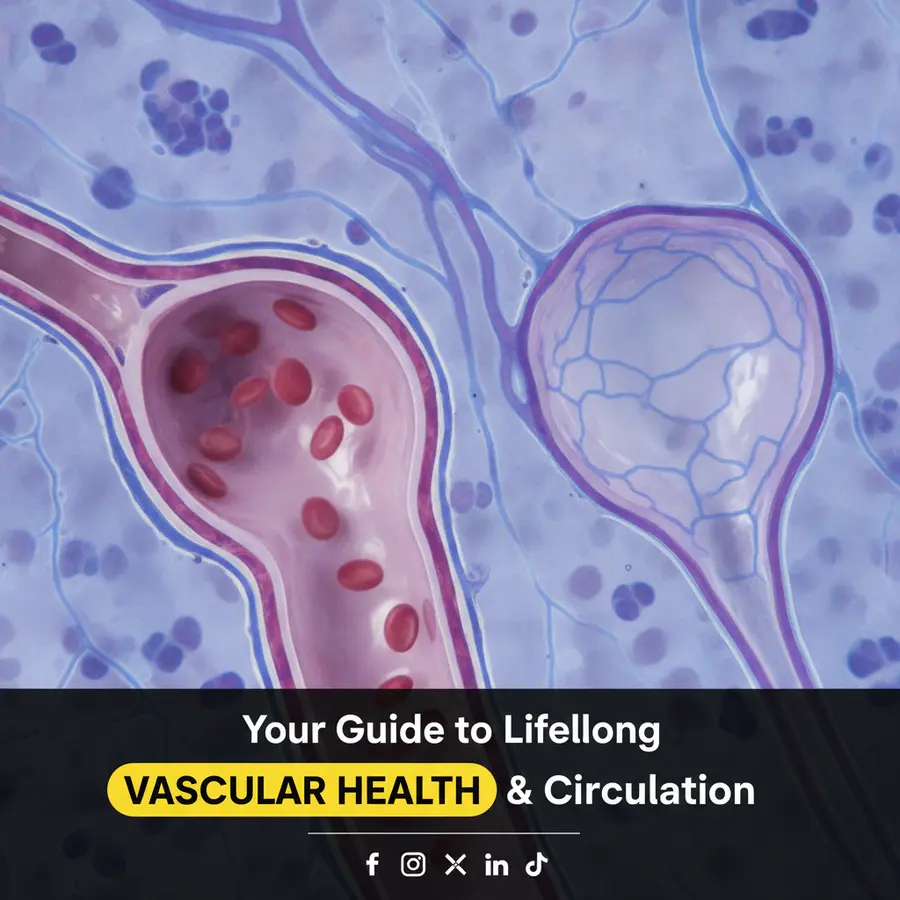
By Maria Shafiq | Founder & Health Research Writer, The Veins Vercel | Updated: Aug 5, 2026
Medical Disclaimer: The information provided in this article is for educational and informational purposes only and does not constitute medical advice. Always consult a qualified healthcare provider regarding any medical condition or treatment.
Lifelong Vascular Health and Circulation: Simple Ways to Support Healthy Blood Flow
Your blood vessels carry oxygen and nutrients to every part of your body. Keeping them healthy through daily movement, balanced food, good sleep, and regular checkups may support circulation and long-term heart health.
This guide explains how arteries, veins, and capillaries work, what can affect vascular health, and which everyday habits may help. It is general health information, not personal medical advice.
Key Takeaways
- Vascular health means keeping arteries, veins, and tiny capillaries working well so blood can move smoothly through the body.
- Regular movement, a balanced diet, healthy blood pressure, good sleep, and avoiding smoking are practical ways to support circulation.
- Adults should aim for at least 150 minutes of moderate activity each week, such as brisk walking, plus muscle-strengthening activity on two or more days.[cdc]
- Symptoms can differ from person to person. Sudden chest pain, one-sided leg swelling with pain or warmth, shortness of breath, facial drooping, weakness, or trouble speaking needs urgent medical attention.[nhs][mayoclinic]
- Always speak with a qualified doctor before changing medicines, starting supplements, beginning a new exercise plan, or interpreting blood tests.
What Is Vascular Health?
Vascular health refers to the condition of your blood vessels. Your vascular system includes:
- Arteries, which carry oxygen-rich blood away from the heart.
- Veins, which return blood back to the heart.
- Capillaries, tiny vessels where oxygen, nutrients, and waste are exchanged between blood and tissues.
Healthy vessels are flexible and responsive. They help maintain steady blood flow and support normal blood pressure. High blood pressure is a major modifiable risk factor for heart and vascular problems, and healthy eating and regular activity are commonly recommended to help manage it.[heart]
How Your Circulatory System Works
Your circulatory system works like a closed loop.
- The heart pumps blood into arteries.
- Arteries carry blood to organs and muscles.
- Capillaries allow oxygen and nutrients to reach tissues.
- Veins carry blood back toward the heart.
Veins in the legs depend partly on calf-muscle movement to help push blood upward. This is one reason long periods of sitting or standing can make legs feel heavy or swollen in some people.
What Can Affect Vascular Health?
Vascular health is influenced by many factors, including age, genetics, lifestyle, and existing medical conditions. Common factors associated with poorer cardiovascular and vascular health include:
- High blood pressure
- High LDL cholesterol or other lipid abnormalities
- Smoking or vaping
- Diabetes or high blood sugar
- Low physical activity
- Poor sleep
- Chronic stress
- Excess weight
- A diet high in ultra-processed foods, added sugars, and excess salt
These factors do not affect everyone in the same way. Your personal risk depends on your health history, family history, medications, and test results, so individualized advice from a clinician is important.
1. Move Your Body Regularly
Exercise is one of the most evidence-based ways to support vascular and heart health. Physical activity helps improve fitness, supports healthy blood pressure, and reduces time spent sitting.
The CDC recommends that adults get at least 150 minutes of moderate-intensity activity each week, such as brisk walking, or 75 minutes of vigorous activity. You can split this into shorter sessions, such as 30 minutes on five days a week. Adults should also do muscle-strengthening activities at least two days per week.[cdc]
Simple options include:
- Brisk walking
- Cycling
- Swimming
- Dancing
- Climbing stairs
- Light resistance training
- Standing up and walking for a few minutes every 30–60 minutes during desk work
If you have heart disease, joint problems, dizziness, or another medical condition, ask your doctor what level and type of activity is safe for you.
2. Eat a Vessel-Friendly Diet
There is no single “vascular health food.” A balanced eating pattern matters more than one ingredient or supplement.
A heart-healthy pattern generally includes:
- Vegetables and fruits
- Whole grains
- Beans, lentils, and other legumes
- Nuts and seeds
- Fish, especially fatty fish
- Olive oil or other unsaturated fats
- Limited processed meat, fried foods, sugary drinks, and highly refined carbohydrates
Nitrate-rich vegetables such as leafy greens and beetroot may support nitric oxide pathways, which are involved in blood-vessel relaxation. However, food is not a treatment for artery disease, and people taking blood-pressure or blood-thinning medicines should discuss major diet changes with a clinician.
3. Support Healthy Blood Pressure and Cholesterol
Blood pressure and cholesterol are important markers of cardiovascular risk. Regular checkups can help you and your doctor understand your personal numbers.
Apolipoprotein B, or ApoB, is a blood marker that reflects the number of atherogenic lipoprotein particles. It may be used alongside LDL cholesterol and other markers to refine cardiovascular risk assessment, especially in people with diabetes, high triglycerides, or known cardiovascular disease.[newsroom.heart]
Do not self-diagnose or start cholesterol medicines based on one test. Your doctor will consider your full history, blood pressure, lipid panel, age, family history, and other risk factors.
4. Prioritize Sleep and Stress Management
Sleep gives the body time to recover. Poor or short sleep is associated with higher cardiovascular risk, while consistent sleep habits may support better blood-pressure control and overall health.
Helpful habits include:
- Keeping a regular sleep and wake time
- Aiming for 7–9 hours of sleep for most adults
- Keeping the bedroom dark, quiet, and cool
- Reducing screens before bed
- Avoiding heavy meals, alcohol, and caffeine close to bedtime
- Using relaxation practices such as slow breathing, stretching, prayer, journaling, or walking
If you snore loudly, wake up gasping, feel very sleepy during the day, or have high blood pressure that is difficult to control, ask your doctor about sleep apnea screening.
5. Stay Hydrated, but Do Not Overdo It
Water supports normal body functions, including blood volume and circulation. Most healthy people can drink water regularly through the day and use thirst as a guide.
However, “more water is always better” is not true for everyone. People with kidney disease, heart failure, or certain other conditions may need fluid limits. Follow the fluid advice given by your own healthcare professional.
6. Avoid Smoking and Limit Alcohol
Smoking damages blood vessels and increases cardiovascular risk. Avoiding tobacco in all forms is one of the most important steps for vascular health.
If you drink alcohol, keep intake moderate or consider avoiding it. Alcohol can affect blood pressure, sleep quality, and overall health. If you find it hard to quit smoking, speak with a doctor or pharmacist about cessation support.
Can Damaged Arteries Repair Themselves?
Blood vessels can remodel over time, and healthy habits can lower some risk factors. But it is misleading to say that blocked or stiff arteries simply “repair themselves.”
Lifestyle changes may help slow progression, improve risk factors, and support overall vascular health. In some cases, medicines or medical procedures are also needed. Never stop prescribed medication or replace medical treatment with diet, supplements, or exercise without medical guidance.
Warning Signs That Need Urgent Care
Health symptoms are not the same for everyone. Some people have obvious warning signs, while others have mild or no symptoms.
Seek emergency care immediately if you have:
- Chest pressure, tightness, or pain that may spread to the arm, jaw, neck, or back
- Sudden shortness of breath
- Sudden weakness or numbness on one side of the body
- Facial drooping
- Slurred speech or trouble speaking
- Sudden vision changes
- Fainting or severe dizziness
- A suddenly cold, pale, painful foot or hand with weak or absent pulses
These can be signs of a heart attack, stroke, arterial blockage, or another serious emergency.
Leg Swelling and Possible DVT
Mild swelling after a long flight, hot weather, or standing for many hours can have many causes. But sudden one-sided leg swelling, pain, warmth, redness, or tenderness can sometimes be a sign of deep vein thrombosis (DVT), a blood clot in a deep vein.[nhs][mayoclinic]
Get urgent medical help if leg swelling or pain occurs with:
- Sudden shortness of breath
- Chest pain, especially when breathing deeply
- Coughing up blood
- Fainting, lightheadedness, or a rapid heartbeat
These may be signs of a pulmonary embolism, which can be life-threatening.[nhs][mayoclinic]
Simple Daily Routine for Better Circulation
| Habit | Simple daily action | Why it may help |
| Movement | Walk briskly for 20–30 minutes, or break activity into shorter sessions | Supports fitness and helps meet weekly activity targets. [cdc] |
| Desk breaks | Stand, stretch, or walk for 2–5 minutes every hour | Reduces long sitting time and activates leg muscles. |
| Diet | Add vegetables, fruit, whole grains, beans, nuts, and fish | Supports an overall heart-healthy eating pattern. |
| Sleep | Keep a consistent bedtime and aim for 7–9 hours | Supports recovery and healthy daily routines. |
| Checkups | Track blood pressure and discuss cholesterol and other risk factors with your doctor | Helps identify personal risk early. |
| Avoid smoking | Stop smoking and avoid secondhand smoke | Reduces a major modifiable cardiovascular risk factor. |
Frequently Asked Questions
What is the best exercise for circulation?
Brisk walking is one of the easiest and most accessible options. It raises your heart rate, uses the leg muscles, and can be done almost anywhere. The general adult guideline is at least 150 minutes of moderate activity per week.[cdc]
Can food improve blood flow?
A balanced diet can support vascular health, but no food is a cure for poor circulation. Vegetables, fruits, whole grains, legumes, nuts, and fish are useful parts of a heart-healthy eating pattern.
Why do my legs swell after sitting or standing?
Gravity can cause fluid to collect in the lower legs when calf muscles are not moving much. Occasional mild swelling is common, but sudden, painful, one-sided swelling should be checked by a healthcare professional because DVT is possible.[nhs][mayoclinic]
Should I take nitric oxide supplements?
Not automatically. Some people use supplements for circulation, but evidence, safety, dose, and interactions vary. People with low blood pressure, kidney disease, or those taking blood-pressure or blood-thinning medicines should ask a doctor first.
How often should I get vascular screening?
It depends on your age, family history, blood pressure, cholesterol, diabetes status, smoking history, and symptoms. Ask your primary-care doctor which tests are appropriate for you. Do not request advanced scans or supplements without medical advice.
Editorial Note
This article is for general educational purposes only and does not provide medical diagnosis, treatment, or personalized healthcare advice. It was written using publicly available information from reputable health organizations and peer-reviewed literature. Always consult a licensed healthcare professional about symptoms, medications, supplements, screening tests, or lifestyle changes, especially if you have a heart condition, diabetes, kidney disease, or a history of blood clots.
References
- U.S. Department of Health and Human Services. Physical Activity Guidelines for Americans, 2nd edition. https://health.gov/sites/default/files/2019-09/Physical_Activity_Guidelines_2nd_edition.pdf
- Centers for Disease Control and Prevention. Adult Activity: An Overview — Physical Activity Basics. https://www.cdc.gov/physical-activity-basics/guidelines/adults.html
- American Heart Association. Recommendations for Physical Activity in Adults. https://www.heart.org/en/healthy-living/exercise-and-physical-activity/fitness-basics/aha-recs-for-physical-activity-in-adults
- American Heart Association. High Blood Pressure. https://www.heart.org/en/health-topics/high-blood-pressure
- American College of Cardiology/American Heart Association. Updated Guideline for Managing Lipids and Cholesterol. https://newsroom.heart.org/news/accaha-issue-updated-guideline-for-managing-lipids-cholesterol
- NHS. Deep vein thrombosis (DVT). https://www.nhs.uk/conditions/deep-vein-thrombosis-dvt/
- Mayo Clinic. Deep vein thrombosis (DVT): Symptoms and causes. https://www.mayoclinic.org/diseases-conditions/deep-vein-thrombosis/symptoms-causes/syc-20352557
- Centers for Disease Control and Prevention. Deep Vein Thrombosis and Pulmonary Embolism. https://www.cdc.gov/yellow-book/hcp/travel-air-sea/deep-vein-thrombosis-and-pulmonary-embolism.html