Heavy Metals in Supplements: Nutrient Diagnostics Guide
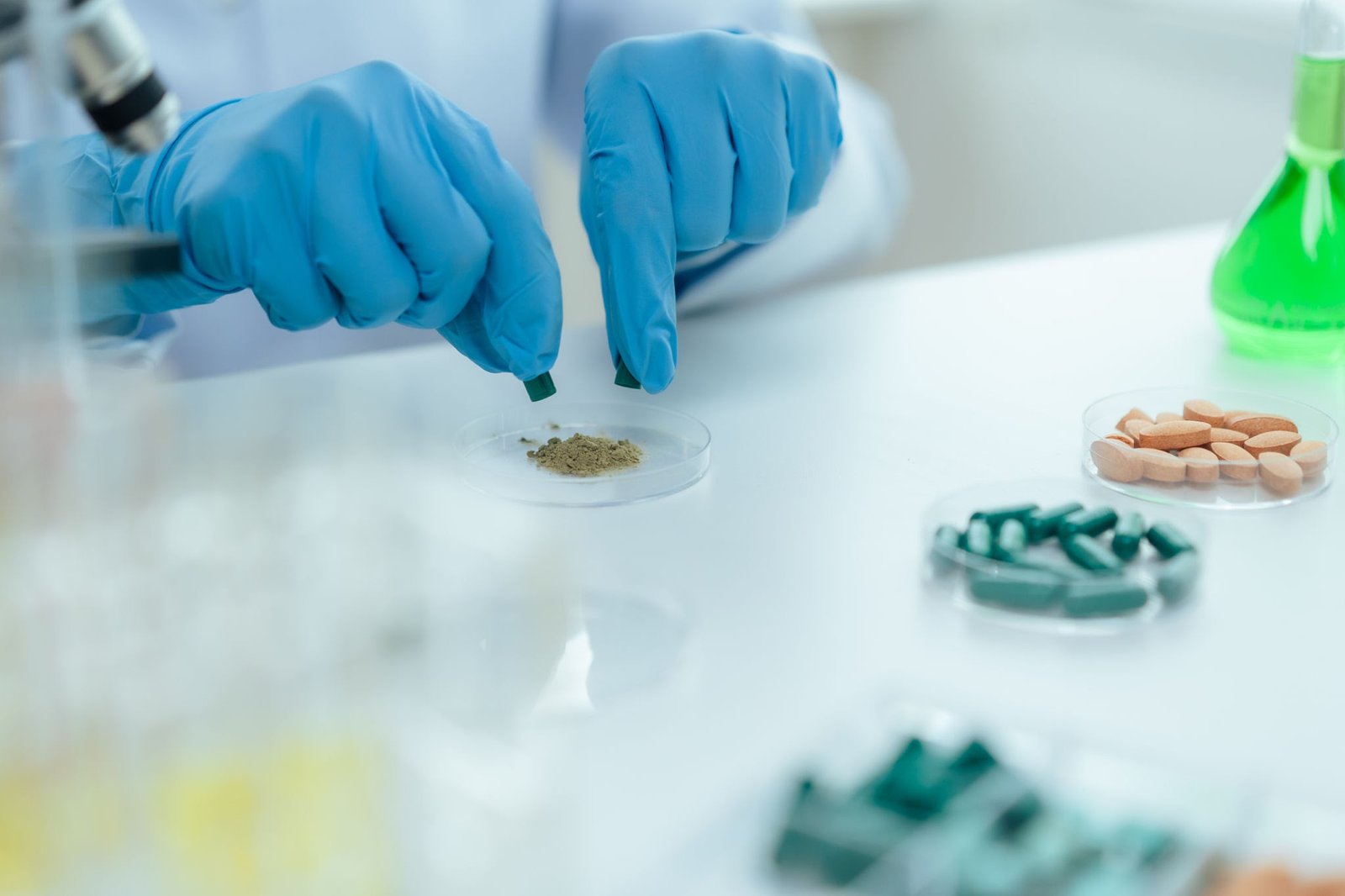
By Maria Shafiq | Founder & Health Research Writer, The Veins Vercel | Updated: 16, September 2026
Medical Disclaimer: The information provided in this article is for educational and informational purposes only and does not constitute medical advice. Always consult a qualified healthcare provider regarding any medical condition or treatment.
Heavy Metals in Natural Supplements: What Nutrient Diagnostics Reveal About Vascular Health
Consumers increasingly turn to natural supplements to support cardiovascular wellness and longevity. However, emerging laboratory analyses reveal a silent risk: heavy metals in supplements can directly undermine vascular integrity. While botanical extracts and mineral compounds promise therapeutic benefits, low-level contaminants like lead, cadmium, arsenic, and mercury often contaminate unrefined products.
+-----------------------------------------------------------------------------------+
|                     THE NUTRITIONAL TOXICITY INTERFERENCE CASCADE                 |
+-----------------------------------------------------------------------------------+
  Unverified Botanical or Geological Raw Material (Soil Bioaccumulation)
                                    |
                                    v
  Ingestion of Toxic Divalent Cations (Lead Pb2+, Cadmium Cd2+, Arsenic As3+)
                                    |
                                    v
  Competitive Transporter Hijacking at Intestinal Lumen (Blocks Fe2+, Zn2+, Mg2+)
                                    |
                                    v
  Endothelial Infiltration: Quenching of Nitric Oxide & Endothelial Glycocalyx Decay
                                    |
                                    v
  Microvascular Inflammation, Elevated Peripheral Resistance & Arterial Stiffening
+-----------------------------------------------------------------------------------+
From a clinical nutrient diagnostics perspective, heavy metals do not merely act as passive impurities. Instead, they actively disrupt biochemical pathways. They compete with essential minerals for intestinal absorption and degrade vascular endothelial function.
Consequently, individuals seeking to improve their vascular health may inadvertently introduce pro-oxidant toxins into their circulation. Understanding how heavy metals in supplements compromise cellular nutrition is crucial for safeguarding your blood vessels. This comprehensive guide explores what clinical diagnostics reveal about supplement purity, intestinal absorption barriers, and evidence-based vascular protection.
What Is Nutrient Diagnostics?
Nutrient diagnostics is an integrative clinical discipline that evaluates functional biochemical pathways, micronutrient bioavailability, and cellular toxicity burdens. Traditional medical testing typically relies on standard serum blood draws. However, serum measurements often reflect transient dietary intake rather than long-term intracellular storage.
In contrast, nutrient diagnostics assesses how minerals, enzymes, and toxic metabolites interact inside biological tissues. This approach recognizes that human physiology relies on balanced mineral ratios. For example, excess levels of one element can displace another from its cellular receptor:
+-----------------------------------------------------------------------------------+
|                      NUTRIENT DIAGNOSTIC MATRIX VS. STANDARD LABS                 |
+-----------------------------------------------------------------------------------+
  Standard Serum Panels:
  - Measures circulating extracellular concentrations in plasma
  - Captures acute, short-term dietary spikes or recent meals
  - Often overlooks low-grade, chronic tissue sequestration
                                         vs.
  Functional Nutrient Diagnostics:
  - Assesses intracellular erythrocyte mineral stores (RBC Magnesium, RBC Zinc)
  - Identifies competitive transport displacement at the enterocyte membrane
  - Quantifies toxic body burdens via heavy metal mass spectrometry (ICP-MS)
  - Evaluates functional oxidative stress markers and endothelial compliance
+-----------------------------------------------------------------------------------+
Furthermore, nutrient diagnostics investigates how toxic heavy metals disrupt metabolic pathways. By utilizing inductively coupled plasma mass spectrometry (ICP-MS) and intracellular red blood cell testing, clinicians can identify microvascular damage long before overt clinical disease develops.
This functional perspective helps explain why even minute concentrations of heavy metals in supplements can impede essential mineral balance. By examining these molecular relationships, nutrient diagnostics empowers individuals to make informed decisions about their dietary inputs.
Natural Supplements and Nutrient Absorption
Intestinal absorption is not an unlimited, passive gateway. Rather, the small intestine relies on specialized transport proteins to move minerals across the mucosal lining into the bloodstream. One primary pathway is the Divalent Metal Transporter 1 (DMT1), located on the brush border membrane of intestinal enterocytes [Source: PubMed Study on Divalent Cations].
+-----------------------------------------------------------------------------------+
|               INTESTINAL ENTEROCYTE TRANSPORT COMPETITION (DMT1)                  |
+-----------------------------------------------------------------------------------+
  Intestinal Lumen (Digestive Chyme):
  [ Essential Minerals: Fe2+, Zn2+, Ca2+, Mg2+ ]  vs.  [ Heavy Metals: Pb2+, Cd2+ ]
                                    |
                                    v
  Brush Border Membrane: Divalent Metal Transporter 1 (DMT1)
  *Toxic heavy metals share the same charge and atomic radius, binding with higher affinity*
                                    |
                                    v
  [ Heavy Metals Enter Enterocyte ]  -->  Blocks Essential Mineral Uptake
                                    |
  [ Systemic Circulation Entry ]    -->  Depletes Intracellular Mineral Pools
+-----------------------------------------------------------------------------------+
Under healthy conditions, DMT1 facilitates the uptake of vital divalent cations:
-
Iron ($Fe^{2+}$): Required for hemoglobin synthesis and oxygen transport.
-
Zinc ($Zn^{2+}$): Essential for immune signaling, vascular repair, and enzyme synthesis.
-
Magnesium ($Mg^{2+}$): Vital for vascular smooth muscle relaxation and endothelial stability.
However, non-essential heavy metals share the exact same ionic charge and similar atomic radii as these life-sustaining minerals. For instance, lead ($Pb^{2+}$) and cadmium ($Cd^{2+}$) bind aggressively to DMT1 receptors. In fact, research demonstrates that toxic metals often possess a higher binding affinity for these transport sites than nutrient minerals.
Consequently, when contaminated supplements are consumed, toxic elements hijack these intestinal gates. This competitive inhibition prevents essential nutrients from entering circulation, inducing functional deficiencies despite an otherwise healthy diet. To understand how competitive absorption alters mineral balance, explore our detailed clinical guide on zinc timing and mineral interactions.
The Heavy Metal Contamination Problem
Many consumers assume that a “natural” label guarantees purity. However, botanical products, root herbs, and geological compounds absorb elements directly from their growth environments. Through bioaccumulation, plants absorb minerals and pollutants present in surrounding agricultural soil, irrigation water, and atmospheric dust.
+-----------------------------------------------------------------------------------+
|                     BIOACCUMULATION VECTORS IN RAW BOTANICALS                     |
+-----------------------------------------------------------------------------------+
  Agricultural Soil Runoff (Industrial Slag, Legacy Lead Arsenate Pesticides)
                                    |
  Atmospheric Deposition (Coal Combustion, Smelting Particulate Drift)
                                    |
  Irrigation Water Contamination (Groundwater Arsenic & Cadmium Leaching)
                                    |
                                    v
  Root Uptake & Cellular Storage in Botanical Tissues (Rhizomes, Leaves, Resins)
                                    |
                                    v
  Raw Material Harvesting Without Rigorous Batch ICP-MS Purification
+-----------------------------------------------------------------------------------+
Several raw ingredient classes carry heightened contamination risks:
-
Root and rhizome botanicals: Plants like ashwagandha, turmeric, and ginseng absorb heavy metals from soil layers over multiple growing seasons.
-
Marine algae and kelp: Seaweeds naturally bioaccumulate inorganic arsenic and cadmium from ocean waters.
-
Geological mineral extracts: Shilajit serves as one neutral example of a natural geological substance. Harvested as a raw mineral resin oozing from high-altitude rock strata, raw shilajit naturally contains fulvic acid alongside rock-derived trace minerals. However, without multi-stage filtration and rigorous purification, raw geological resins can harbor high levels of lead, arsenic, and aluminum.
-
Ayurvedic and traditional herbal blends: Historical formulations frequently combine herbs with unrefined mineral ashes, sometimes leading to documented toxicities.
Regulatory frameworks exacerbate this vulnerability. Under the Dietary Supplement Health and Education Act (DSHEA), the United States Food and Drug Administration (FDA) does not approve dietary supplements for safety or efficacy before they reach retail shelves [Source: FDA Dietary Supplement Regulatory Overview]. Instead, manufacturers bear the responsibility for verifying product purity, creating significant variability across brands.
How Heavy Metals Affect Blood Vessels
The vascular tree is particularly susceptible to heavy metal toxicity. The vascular endothelium—the delicate, single-cell layer lining every artery, vein, and capillary—serves as the primary functional interface for circulating blood. When heavy metals enter the bloodstream, they induce targeted cellular damage across multiple vascular layers.
+-----------------------------------------------------------------------------------+
|                        VASCULAR ENDOTHELIAL DAMAGE CASCADE                        |
+-----------------------------------------------------------------------------------+
  Circulating Heavy Metals (Lead, Cadmium, Arsenic, Mercury)
                                    |
                                    v
  Generation of Reactive Oxygen Species (Superoxide Anion O2-)
                                    |
                                    v
  Quenching of Endothelial Nitric Oxide:  NO + O2-  -->  Peroxynitrite (ONOO-)
                                    |
                                    v
  Endothelial Cell Apoptosis & Degradation of the Protective Glycocalyx Layer
                                    |
                                    v
  Loss of Vasomotor Tone, Accelerated Arterial Stiffening & Microvascular Fragility
+-----------------------------------------------------------------------------------+
1. Inactivation of Endothelial Nitric Oxide
Healthy endothelial cells produce nitric oxide (NO) to signal surrounding vascular smooth muscle to relax. This gaseous molecule preserves healthy blood pressure, prevents platelet aggregation, and keeps blood vessels flexible.
However, lead and cadmium stimulate the intracellular production of superoxide free radicals. These free radicals rapidly scavenge nitric oxide, converting it into peroxynitrite—a highly cytotoxic reactive nitrogen species. This rapid scavenging leaves vessels constricted, elevated in resistance, and unable to dilate effectively. To discover how dietary precursors support vascular tone, read our review on nitric oxide foods for venous compliance.
2. Destruction of the Endothelial Glycocalyx
The interior surface of your blood vessels is coated with a microscopic, gel-like barrier called the endothelial glycocalyx. Heavy metals degrade these protective glycosaminoglycan chains, exposing endothelial cell membranes to inflammatory cytokines and circulating friction. Over time, this structural decay promotes microvascular leakage; learn how capillary walls maintain structural strength in our analysis of capillary resistance and fragility.
3. Accelerated Arterial Stiffening
The American Heart Association (AHA) issued a landmark scientific statement emphasizing that environmental toxic metals, particularly lead, cadmium, and arsenic, represent independent risk factors for cardiovascular disease [Source: American Heart Association Scientific Statement]. Chronic, low-dose exposure promotes vascular calcification, replaces compliant elastin with rigid collagen, and accelerates the development of peripheral arterial stiffness.
+-----------------------------------------------------------------------------------+
|                SUMMARY OF HEAVY METAL EFFECTS ON VASCULAR TISSUES                 |
+-----------------------------------------------------------------------------------+
  Toxic Metal   Primary Molecular Action          Vascular Manifestation
  ---------------------------------------------------------------------------------
  Lead (Pb)     Inactivates eNOS enzyme; mimics   Arterial hypertension, functional
                calcium in vascular smooth muscle vasoconstriction, renal ischemia

  Cadmium (Cd)  Replaces zinc in metallothionein; Endothelial cell death, carotid
                damages cellular mitochondria     stiffening, loss of vessel elasticity

  Arsenic (As)  Generates oxidative stress;       Microvascular pruning, systemic
                promotes inflammatory cytokines   endothelial inflammation, plaque

  Mercury (Hg)  Binds sulfhydryl groups; depletes Coronary vasoconstriction, impaired
                endogenous glutathione reserves   microcirculatory perfusion
+-----------------------------------------------------------------------------------+
According to global epidemiological research published by the World Health Organization (WHO), heavy metal exposure accounts for a substantial proportion of non-communicable cardiovascular complications worldwide [Source: World Health Organization Fact Sheet]. This emphasizes why contaminated supplements pose a tangible threat to vascular longevity.
Testing and Safety Standards for Heavy Metals in Supplements
Evaluating whether a supplement is safe requires a clear understanding of laboratory testing protocols and permissible contamination limits. High-quality manufacturers utilize specialized analytical techniques to verify product purity before distribution.
+-----------------------------------------------------------------------------------+
|                        SUPPLEMENT PURITY VERIFICATION AUDIT                       |
+-----------------------------------------------------------------------------------+
  Stage 1: Raw Material Quarantine & ICP-MS Heavy Metal Quantification
           - Detects parts-per-billion (ppb) concentrations of Pb, Cd, As, Hg
                                    |
                                    v
  Stage 2: Validation Against Independent Safety Limits
           - USP / NSF Guidelines vs. California Proposition 65 Thresholds
                                    |
                                    v
  Stage 3: Issuance of Batch-Specific Certificate of Analysis (CoA)
           - Verifies finished product purity prior to consumer release
+-----------------------------------------------------------------------------------+
Analytical Testing: Inductively Coupled Plasma Mass Spectrometry
The gold standard for detecting elemental contamination is Inductively Coupled Plasma Mass Spectrometry (ICP-MS). This advanced technique ionizes sample molecules at extreme temperatures, separating elements based on their unique mass-to-charge ratios. ICP-MS can detect heavy metal contamination at parts-per-billion (ppb) or parts-per-trillion (ppt) levels, revealing impurities that standard chemical assays miss entirely.
Comparing Regulatory and Quality Standards
Contamination limits vary widely across organizations and jurisdictions:
-
United States Pharmacopeia (USP): Establishes strict reference standards for dietary supplement identity, strength, and elemental impurities under USP General Chapter <2232> [Source: National Institutes of Health Dietary Supplement Testing].
-
California Proposition 65: Enforces some of the world’s most rigorous consumer safety thresholds. For example, Prop 65 mandates warning labels on products exceeding 0.5 micrograms of lead per daily serving—a threshold far stricter than standard federal guidelines.
-
NSF International: Provides third-party facility audits and batch testing to certify that finished products are free of unacceptable contaminant levels.
When evaluating supplements, consumers should always request a Certificate of Analysis (CoA). A legitimate CoA must be issued by an ISO 17025-accredited third-party laboratory and must display specific numerical test results for lead, cadmium, arsenic, and mercury—rather than a generic “pass” notation.
Safe Nutrient Choices for Vascular Health
Protecting your vascular tree does not require total avoidance of supplemental nutrition. Rather, adopting a “food-first” philosophy supported by verified, third-party-tested nutrients ensures that your body receives vital compounds without toxic burdens.
+-----------------------------------------------------------------------------------+
|               THE 4-PILLAR PROTOCOL FOR SAFE VASCULAR NUTRITION                   |
+-----------------------------------------------------------------------------------+
  1. Food-First Dietary Foundation   --> Unprocessed whole foods naturally rich in
                                         potassium, magnesium, and dietary nitrates
  2. Endogenous Glutathione Support  --> Sulfur-dense vegetables and amino acids
                                         to assist natural cellular detox pathways
  3. Third-Party Verified Nutrients  --> Selecting products bearing USP, NSF, or
                                         Informed-Choice independent quality seals
  4. Matrix Structural Nutrients     --> Clean, verified proteins to preserve vessel
                                         connective tissue and vascular elasticity
+-----------------------------------------------------------------------------------+
1. Build a Food-First Vascular Foundation
Whole foods supply nutrients bound within natural biological matrices, maximizing absorption while minimizing heavy metal concentration risks:
-
Dietary nitrates: Arugula, spinach, and beetroots provide organic nitrates that naturally elevate circulating nitric oxide, promoting healthy vasodilation.
-
Potassium and magnesium: Avocados, cooked lentils, and pumpkin seeds supply essential intracellular minerals that support vascular smooth muscle relaxation.
-
Polyphenol antioxidants: Blueberries, dark cherries, and green tea deliver catechins and anthocyanins that protect endothelial cell membranes from environmental oxidative stressors.
2. Support Endogenous Detoxification Pathways
The human body possesses sophisticated internal systems for neutralizing trace toxins. The liver and vascular endothelium rely heavily on glutathione, the master cellular antioxidant:
-
Sulfur-rich foods: Garlic, onions, broccoli, and Brussels sprouts provide bioavailable sulfur compounds necessary for glutathione synthesis.
-
Cysteine sources: Consuming high-quality dietary proteins provides cysteine, the rate-limiting amino acid for cellular glutathione production.
-
Selenium-rich foods: Brazil nuts and wild seafood supply selenium, a vital cofactor for the antioxidant enzyme glutathione peroxidase.
3. Choose Clean Structural Nutrients
Maintaining healthy vascular walls requires continuous connective tissue remodeling. When supplementing with functional proteins or amino acids, ensure that raw materials originate from clean, rigorously tested sources. To discover how targeted proteins maintain structural vessel elasticity, review our guide on collagen formulations for cellular and matrix support.
+-----------------------------------------------------------------------------------+
|                      SUPPLEMENT SAFETY CONSUMER CHECKLIST                         |
+-----------------------------------------------------------------------------------+
  [ ] Has the brand provided an independent, ISO 17025-certified CoA?
  [ ] Does the CoA show specific numerical values (ppm/ppb) for Pb, Cd, As, and Hg?
  [ ] Does the product display a recognized third-party verification seal (USP / NSF)?
  [ ] Is the formula free of proprietary blends that obscure raw ingredient origins?
  [ ] Are unrefined botanical roots or wild-harvested geological resins verified pure?
+-----------------------------------------------------------------------------------+
When to See a Doctor
Because low-level heavy metal accumulation occurs gradually, symptoms often develop quietly over months or years. Recognizing the subtle clinical presentations of toxic metal burdens allows for timely medical intervention.
+-----------------------------------------------------------------------------------+
|                        CLINICAL TRIAGE & SYMPTOM PATHWAY                          |
+-----------------------------------------------------------------------------------+
  SCHEDULE A FUNCTIONAL DIAGNOSTIC WORKUP:
  - Persistent, unexplained physical fatigue unresponsive to rest
  - New-onset, treatment-resistant elevation in baseline blood pressure
  - Subtle cognitive changes, mild brain fog, or persistent metallic taste
  - Worsening digestive intolerance after starting unregulated herbal formulas
                                         vs.
  SEEK IMMEDIATE MEDICAL EVALUATION (Emergency / Urgent Care):
  - Severe, sudden abdominal cramping paired with persistent vomiting
  - Acute peripheral numbness, tingling, or weakness in hands and feet
  - Visible hematuria (blood in urine) or sudden changes in urinary output
  - Acute mental confusion, severe unprovoked headaches, or motor tremors
+-----------------------------------------------------------------------------------+
Consult a board-certified physician, toxicologist, or integrative health specialist if you experience persistent symptoms after consuming unverified herbal or mineral formulas. A qualified clinician can order specialized diagnostic testing, such as whole-blood heavy metal panels or 24-hour urine elemental tests. Identifying heavy metal burdens early ensures that underlying exposures are eliminated before irreversible vascular or renal damage occurs.
Frequently Asked Questions (FAQ)
1. Why are heavy metals in supplements such a widespread problem?
Contamination occurs primarily because plants and raw minerals absorb elements directly from their environment. Industrial runoff, contaminated groundwater, and legacy agricultural pesticides deposit lead, cadmium, and arsenic into agricultural soils. Without comprehensive multi-stage laboratory purification and rigorous post-production testing, these environmental toxins concentrate directly into finished powders, capsules, and extracts.
2. Can natural supplements cause high blood pressure?
Yes, contaminated supplements can contribute to elevated blood pressure. Toxic heavy metals like lead and cadmium damage the vascular endothelium and inactivate nitric oxide, the signaling molecule responsible for relaxing arterial walls. As nitric oxide levels decline, peripheral blood vessels constrict, elevating vascular resistance and increasing systemic blood pressure.
3. How do I know if a supplement has been tested for heavy metals?
Consumers should look for verified third-party certification seals on the product packaging, such as USP (United States Pharmacopeia), NSF International, or Informed-Choice. Additionally, reputable supplement companies make batch-specific Certificates of Analysis (CoAs) publicly available upon request, detailing the exact parts-per-billion measurements for lead, cadmium, arsenic, and mercury.
4. What is the difference between food-based nutrients and synthetic supplements?
Food-based nutrients exist within complex biological matrices alongside natural fiber, bioflavonoids, and co-enzymes that regulate absorption kinetics. Synthetic or isolated supplements provide concentrated nutrients in free form, which can sometimes bypass natural intestinal checkpoints. However, both formats must be rigorously screened for environmental contaminants to ensure safety.
Conclusion
The pursuit of vascular health through natural supplementation should never compromise your circulatory system. While dietary compounds offer genuine biological benefits, the presence of heavy metals in supplements represents an underrecognized threat to endothelial health and micronutrient balance. By competing for critical intestinal transporters, toxic elements can induce secondary mineral deficiencies while accelerating arterial stiffness and microvascular inflammation.
Nutrient diagnostics underscores that true health begins with purity and biochemical precision. Relying on an evidence-based, whole-food diet provides the foundational nutrients your blood vessels require without unwanted contaminants.
When supplementation is clinically warranted, demand full transparency. Choosing brands that provide third-party, ISO-accredited Certificates of Analysis ensures that your nutritional choices truly support cardiovascular longevity. By prioritizing purity over marketing claims, you protect your vascular endothelium and foster lasting circulatory wellness.
Editorial Note
This article was independently researched and written based on current publicly available peer-reviewed nutritional literature and does not represent the views of, and is not affiliated with, any external publication referenced.
References
-
National Institutes of Health. (2021). Toxic Trace Elements and Heavy Metals in Human Health and Disease. https://pmc.ncbi.nlm.nih.gov/articles/PMC8343110/
-
American Heart Association. (2023). Toxic Metals and Cardiovascular Health: A Scientific Statement From the American Heart Association. https://pubmed.ncbi.nlm.nih.gov/37577800/
-
United States Food and Drug Administration. (2024). Dietary Supplement Products & Ingredient Information. https://www.fda.gov/food/dietary-supplements
-
World Health Organization. (2023). Lead Poisoning and Health: Exposure and Health Effects. https://www.who.int/news-room/fact-sheets/detail/lead-poisoning-and-health
-
PubMed Central. (2005). Mechanisms of Metal Transport Across the Intestinal Epithelial Membrane via DMT1. https://pubmed.ncbi.nlm.nih.gov/15930438/
-
World Health Organization. (2022). Arsenic Fact Sheet and Drinking-Water Contaminant Guidelines. https://www.who.int/news-room/fact-sheets/detail/arsenic