Pain Management Strategies for a Better Life
Medical Disclaimer: The information provided in this article is for educational and informational purposes only and does not constitute medical advice. Always consult a qualified healthcare provider regarding any medical condition or treatment.
Pain Management Strategies for a Better Life
Pain can make everyday activities harder. It may affect your work, movement, sleep, and mood. However, the right pain management strategies can help reduce symptoms and support a more comfortable daily life. Treatment depends on what is causing the pain and how it affects you.[medlineplus][medlineplus]
There is no single treatment that works for everyone. Some people benefit from physical therapy or changes to their daily routine. Others need medicines or a combination of treatments. A healthcare professional can help you choose an approach that suits your symptoms and medical history.[medlineplus][pubmed.ncbi.nlm.nih]
Key Takeaways
- Pain management aims to reduce discomfort and improve daily function. Complete pain relief is not always possible.[medlineplus][medlineplus]
- Treatment may include exercise, physical therapy, psychological support, medicines, or a combination of approaches.[pubmed.ncbi.nlm.nih][medlineplus]
- People can have different symptoms even when they have the same condition. A treatment that helps someone else may not be right for you.[medlineplus][medlineplus]
- Consult a doctor or another qualified healthcare professional about persistent or unexplained pain. Ask for advice before starting a new treatment or changing your medicines.[medlineplus][medlineplus][medlineplus]
Understanding Different Types of Pain
Pain is an unpleasant experience involving the nervous system. It may feel sharp, dull, burning, aching, or tingling. It can affect one part of the body or several areas.[medlineplus]
Healthcare professionals describe pain in different ways. Some terms explain how long it lasts, while others describe the processes causing it. These categories can overlap.[medlineplus]
Acute Pain
Acute pain usually starts suddenly because of an injury, illness, or inflammation. Examples include pain after a broken bone or a dental problem. It often improves as the cause heals or receives treatment.[medlineplus]
Chronic Pain
Chronic pain lasts longer than three months or beyond the expected healing time. It can occur with conditions such as arthritis, nerve damage, or back problems. Sometimes, there is no clear ongoing cause.[medlineplus]
Chronic pain may also affect sleep, mood, and relationships. These effects are part of the overall burden of pain and deserve attention during treatment.[medlineplus]
Pain Related to Tissues, Nerves, or Pain Processing
A clinician may also use these terms:
- Nociceptive pain: Pain associated with tissue damage or inflammation.
- Neuropathic pain: Pain caused by nerve damage.
- Nociplastic pain: Pain associated with changes in how the nervous system processes pain.[medlineplus]
These descriptions can guide treatment, but symptoms alone are not enough to diagnose the cause.
What Are the Goals of Pain Management?
Pain management is not only about lowering a pain score. It also aims to help you move more comfortably, regain strength, and take part in daily activities. Some treatments focus on the underlying condition, while others help manage symptoms and their effects.[medlineplus][pubmed.ncbi.nlm.nih][medlineplus]
For chronic pain, treatment may improve daily life without removing every symptom. That does not mean treatment has failed. Your healthcare team can help you set realistic goals and review your progress.[medlineplus]
Pain Management Strategies to Discuss With Your Healthcare Team
Different treatments suit different conditions. Combining appropriate approaches may address more than one aspect of pain, such as physical limitations and stress. However, more treatments do not automatically mean better care; each option needs a clear purpose.[pubmed.ncbi.nlm.nih]
1. Choose Suitable Movement and Exercise
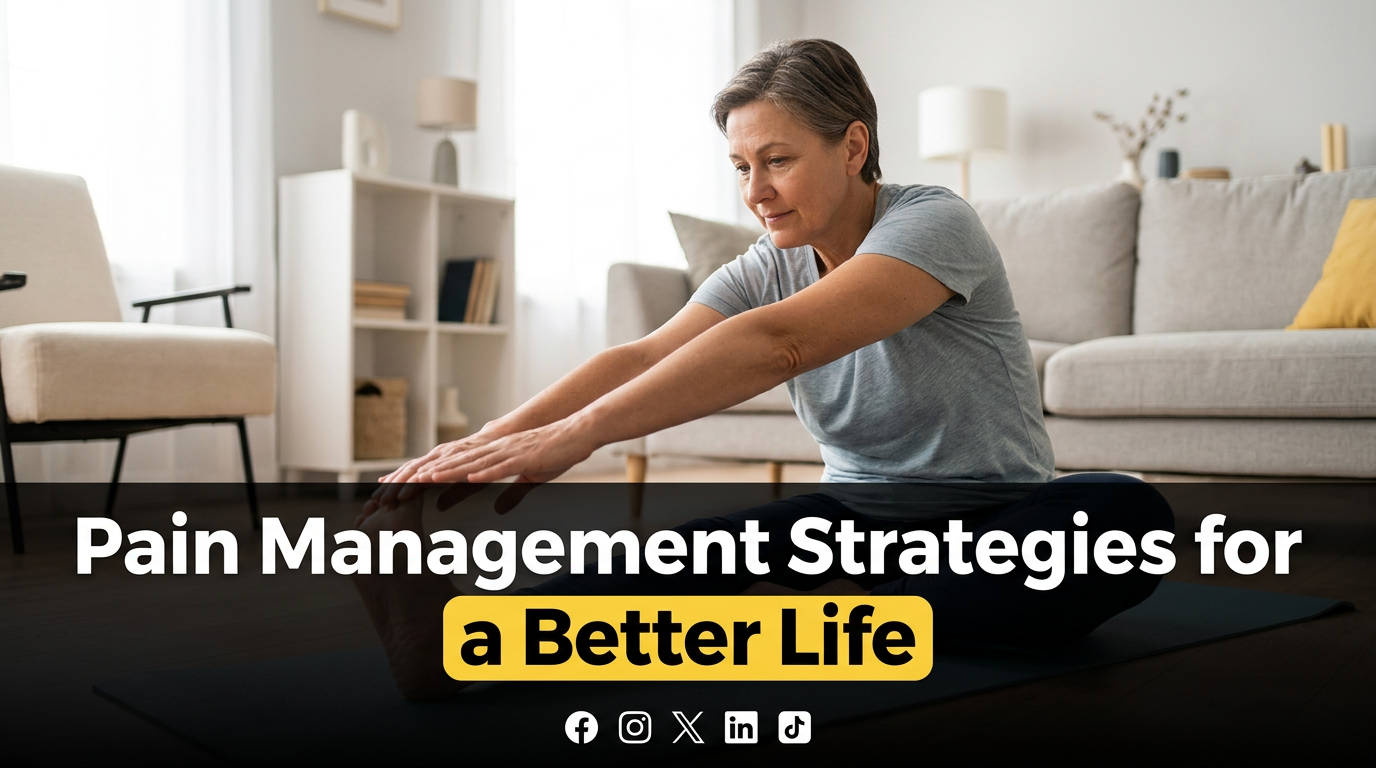
Low-impact exercise may be part of a chronic pain treatment plan. The right activity depends on your condition, mobility, and symptoms. Your healthcare professional may recommend an adapted exercise routine rather than a general workout.[medlineplus]
Physical therapy can also use exercise to help restore strength and function. Ask for guidance if you are unsure which movements are safe for you.[medlineplus]
The aim is to find a manageable level of activity, not to follow someone else’s routine or ignore worsening symptoms.
2. Consider Physical Therapy
Physical therapy can help manage pain and improve movement. A physical therapist may use exercises, heat or cold, massage, or other techniques based on your needs.[medlineplus]
A treatment plan may focus on:
- Restoring muscle strength.
- Improving movement.
- Supporting a return to daily activities.
- Helping you manage physical limitations.[medlineplus]
Not every technique is appropriate for every condition. An assessment helps identify suitable options.
3. Ask About Heat or Cold Therapy
Hot or cold packs are among the non-drug options used for pain relief. They may be included in a broader treatment plan, including physical therapy.[medlineplus][medlineplus]
Ask a healthcare professional whether either approach is suitable for your symptoms and how to use it safely. These methods may ease discomfort, but they do not replace an assessment of unexplained or persistent pain.
4. Address Stress and Emotional Well-Being
Pain and stress can affect each other. Chronic pain may increase emotional strain, while stress and mood changes can make pain harder to manage. This does not mean the pain is imaginary.[medlineplus]
Psychological treatments can teach coping skills and help address thoughts or emotions that increase distress. Relaxation techniques, meditation, and biofeedback may also be useful for some people.[medlineplus]
These approaches can support medical care rather than replace treatment for an underlying condition.
5. Use Pain Medicines Carefully
Medicines may help relieve pain, but each option has benefits and risks. The appropriate choice depends on the type of pain, your health, and other medicines you take.[medlineplus]
Common over-the-counter options include:
- Paracetamol, also called acetaminophen: Used for several types of pain. Taking too much, including through multiple products containing the same ingredient, can be harmful.
- Nonsteroidal anti-inflammatory drugs, or NSAIDs: Medicines such as ibuprofen and naproxen may help with pain and inflammation. They can cause side effects, including stomach problems.[medlineplus]
Follow the product label and ask a doctor or pharmacist if you are unsure whether a medicine is suitable for you.
Prescription treatments may be necessary in some situations. Opioids can relieve certain types of moderate to severe pain, but they carry risks, including addiction and overdose. They should only be used under professional supervision.[medlineplus][medlineplus]
6. Discuss Complementary Treatments
Some people consider acupuncture, massage, or biofeedback alongside standard care.
- Acupuncture may help manage certain pain conditions, but it is not a guaranteed treatment.
- Massage may help with relaxation, stress, and some pain symptoms.
- Biofeedback uses measurements of body functions, such as muscle tension, to teach greater awareness and control.[medlineplus]
Ask your healthcare professional whether an approach is appropriate for your condition. Complementary treatments should not delay necessary medical assessment.
How to Build a Personal Pain Management Plan
A useful plan starts with understanding your symptoms and their effect on daily life.
Describe Your Pain Clearly
Before your appointment, make notes about:
- Where the pain occurs.
- When it started.
- Whether it is constant or comes and goes.
- How it feels.
- What makes it better or worse.
- How it affects sleep, movement, and everyday activities.[medlineplus]
Your clinician may also ask you to rate its intensity.
Look for the Cause
A healthcare professional may review your medical history and examine you. Depending on the findings, they may recommend blood tests or other investigations. Tests are chosen according to the clinical situation, rather than being necessary for every person with pain.[medlineplus][medlineplus]
Agree on Treatment and Review Progress
Discuss which treatments are suitable and what improvement would mean for you. For example, your priorities may include easier movement or less disruption to daily activities.
Because symptoms and treatment responses differ, your plan may need adjustments over time. Let your healthcare team know about side effects, changing symptoms, or treatments that are not helping.[medlineplus][pubmed.ncbi.nlm.nih][medlineplus]
When to Seek Medical Help
Arrange a medical assessment if pain persists, has no clear explanation, or interferes with daily life. You do not need to wait until pain has lasted three months to ask for help. Finding the cause can guide appropriate treatment.[medlineplus]
Some symptoms require emergency care. For example, seek immediate help for back pain accompanied by:
- New difficulty passing urine or loss of bladder or bowel control.
- Loss of feeling around the genitals or anus.
- Pain, weakness, tingling, or numbness in both legs.
- Chest pain.
- Pain following a serious accident.[nhs]
These are examples, not a complete list of emergencies. Contact local emergency services if you believe your symptoms are life-threatening.
Frequently Asked Questions
What Are the Most Effective Pain Management Strategies?
There is no single best strategy for everyone. Treatment depends on the cause and type of pain. Options may include physical therapy, suitable exercise, psychological support, medicines, or a combination of approaches.[medlineplus][pubmed.ncbi.nlm.nih]
Can Pain Improve Without Medication?
Yes, some pain conditions can improve with non-drug care. Physical therapy, relaxation techniques, psychotherapy, and selected complementary treatments may help. However, some people also need medicines or other medical treatment.[medlineplus]
Does Chronic Pain Always Mean There Is Ongoing Damage?
Not necessarily. Chronic pain may continue beyond the expected healing period, and sometimes there is no clear ongoing cause. However, persistent or changing symptoms still need an appropriate assessment.[medlineplus][medlineplus]
How Do Doctors Assess Pain?
Doctors ask about its location, duration, intensity, and effect on daily life. They may also perform a physical examination and order tests when needed to investigate the cause.[medlineplus]
Conclusion
Pain management strategies work best when they match your symptoms, health needs, and daily goals. Treatment may involve non-drug approaches, medicines, or both. The aim is to reduce discomfort while helping you function as well as possible.[medlineplus][pubmed.ncbi.nlm.nih]
Because everyone experiences pain differently, work with a qualified healthcare professional to develop and review your plan.
Editorial Note and Medical Disclaimer
This article provides general health information based on the public health resources and medical literature listed below. It does not provide a diagnosis, prescribe treatment, or replace advice from a qualified healthcare professional.
Symptoms, medical histories, and responses to treatment vary from person to person. Consult a doctor or another qualified healthcare professional for advice about your situation. Seek emergency care for potentially life-threatening symptoms.
References
-
- MedlinePlus, U.S. National Library of Medicine. “Pain.” Overview of pain types, assessment, and treatment.[medlineplus]
- MedlinePlus, U.S. National Library of Medicine. “Chronic Pain.” Overview of symptoms, causes, and management.[medlineplus]
- Hogans, B. B. “Principles of Pain Management.” Continuum (Minneapolis, Minn.). 2024;30(5):1318–1343. DOI: 10.1212/CON.0000000000001476. PMID: 39445923.[pubmed.ncbi.nlm.nih]
- MedlinePlus, U.S. National Library of Medicine. “Non-Drug Pain Management.”[medlineplus]
- MedlinePlus, U.S. National Library of Medicine. “Pain Relievers.”[medlineplus]
- NHS. “Back Pain.” Guidance on symptoms requiring emergency assessment.[nhs]