The Hidden Vascular Damage of Ultra-Processed Foods: A New Study Sounds the Alarm
Medical Disclaimer: The information provided in this article is for educational and informational purposes only and does not constitute medical advice. Always consult a qualified healthcare provider regarding any medical condition or treatment.
Introduction
The convenience of the modern food supply, with its endless array of ready-to-eat meals, brightly packaged snacks, and sugary beverages, comes at a steep, often hidden, price. While the impact of these foods on weight gain is well-known, a growing mountain of clinical evidence now points to a more insidious threat lurking within: significant and potentially irreversible damage to our vascular system.
A landmark new scientific review, one of the largest of its kind, has synthesized data from millions of individuals to draw a stark conclusion: the more ultra-processed foods (UPFs) we consume, the greater our risk of developing serious cardiovascular conditions. These findings move beyond simple association, beginning to reveal the complex biological mechanisms by which these industrial formulations attack the very foundation of our circulatory health—our arteries, veins, and heart.
A Landmark Review Confirms the Vascular Risk
The scale of the latest research is staggering. Published in a peer-reviewed journal, an “umbrella review” analyzed the findings of 45 distinct meta-analyses, which in total encompassed data from nearly 10 million people. This powerful methodology allows researchers to identify broad, consistent patterns across a vast body of scientific literature.
The results delivered a clear and concerning message for Vascular Health & Circulation. The review found convincing evidence that higher consumption of UPFs was directly associated with:
* Increased risk of major cardiovascular events: This includes heart attacks and strokes.
* Higher rates of hypertension (high blood pressure): A primary driver of arterial damage.
* Elevated risk of dying from cardiovascular disease: Highlighting the life-threatening consequences.
The dose-response relationship identified in the analysis is particularly sobering. Researchers noted that for every 10% increase in a person’s daily caloric intake from UPFs, the risk of developing cardiovascular disease climbed significantly. This suggests that even moderate, habitual consumption of these products can exert a measurable, negative effect on the heart and blood vessels over time. This isn’t a problem reserved for those with extreme diets; it’s a creeping risk factor in the daily life of the average person.
Decoding the Label: What Exactly Is an “Ultra-Processed” Food?
To understand the threat, it’s crucial to define the culprit. The term “ultra-processed” isn’t just a synonym for “junk food.” It comes from the NOVA food classification system, a framework developed by researchers to categorize foods based on their degree of industrial processing.
* Group 1: Unprocessed or Minimally Processed Foods. This is food in its natural or near-natural state. Think fresh fruits and vegetables, eggs, plain meat and fish, legumes, nuts, and whole grains like oats and brown rice.
* Group 2: Processed Culinary Ingredients. These are substances derived from Group 1 foods through processes like pressing, refining, or grinding. This includes oils, butter, sugar, and salt used in cooking.
* Group 3: Processed Foods. These are relatively simple products made by combining foods from Groups 1 and 2. Examples include canned vegetables, freshly baked bread, and cheese. The ingredients are still largely recognizable.
* Group 4: Ultra-Processed Foods (UPFs). This is the category of concern. These are not modified foods but industrial formulations. They are typically made from substances extracted from foods (like high-fructose corn syrup, protein isolates, and hydrogenated oils) and synthesized in a lab. They contain numerous additives to enhance flavor, texture, and shelf life, such as emulsifiers, artificial colors, and flavor enhancers.
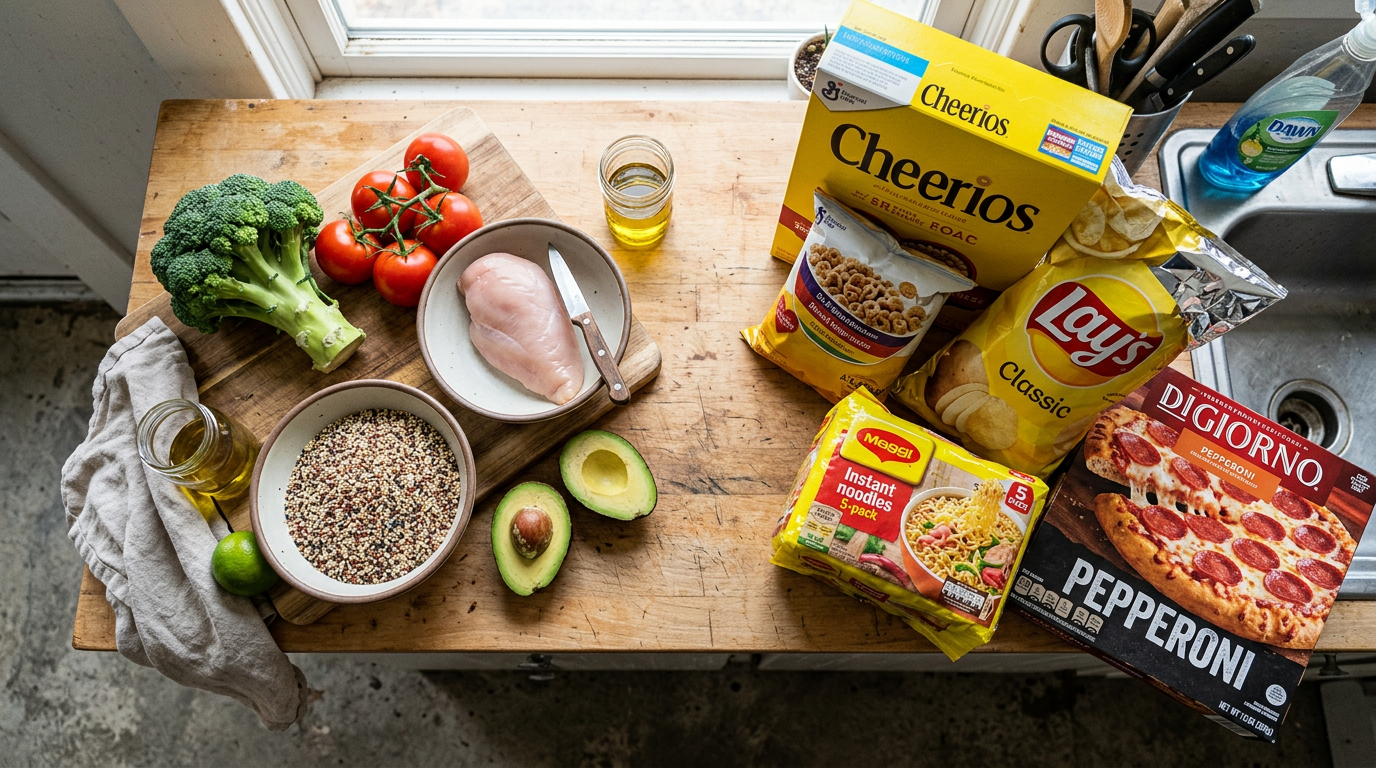
Common examples of UPFs fill modern supermarket aisles: sugary breakfast cereals, packaged cookies and cakes, instant soups and noodles, frozen pizzas, hot dogs, chicken nuggets, and virtually all sodas and sweetened drinks. The defining characteristic is a long list of ingredients you wouldn’t find in a typical home kitchen.
The Mechanisms of Vascular Attack: How UPFs Harm Your Arteries
The damage caused by UPFs is not the result of a single nutrient but a multi-pronged assault on the body’s intricate circulatory network. The industrial nature of these products introduces a host of factors that whole foods do not possess, triggering a cascade of negative biological effects.
1. The Assault on the Endothelium
The inner lining of your 60,000 miles of blood vessels is a delicate, single-cell layer called the endothelium. A healthy endothelium is smooth and dynamic, producing substances like nitric oxide to help vessels relax and expand, ensuring healthy blood flow.
UPFs, often loaded with refined sugars, unhealthy fats, and chemical additives, promote a state of chronic inflammation and oxidative stress. This hostile environment directly injures endothelial cells, making them dysfunctional. A damaged endothelium becomes stiff, constricted, and “sticky,” which not only raises blood pressure but also creates a surface where cholesterol can more easily accumulate, forming the atherosclerotic plaques that underlie most heart attacks and strokes.
2. Fueling Inflammation and Hypertension
Chronic, low-grade inflammation is now recognized as a key driver of cardiovascular disease. The additives common in UPFs, such as certain emulsifiers and artificial sweeteners, have been shown to disrupt the gut microbiome. This disruption can lead to a “leaky gut,” where inflammatory bacterial components enter the bloodstream, triggering a body-wide immune response that directly inflames the vascular system.
Furthermore, the high sodium content in many UPFs is a well-established cause of hypertension. Beyond salt, the high sugar load can also contribute to arterial stiffness and high blood pressure. This constant pressure wears down the arterial walls, making them susceptible to injury and plaque buildup, a core concept in Preventative Medicine.
3. Metabolic Disruption and Its Vascular Consequences
UPFs are calorie-dense but nutrient-poor. Their unique formulation is often hyper-palatable, designed to override the body’s natural satiety signals and encourage overconsumption. This leads directly to weight gain, particularly visceral fat, which is a factory for inflammatory proteins.
This process is a fast track to insulin resistance and type 2 diabetes—two conditions that are catastrophic for vascular health. High blood sugar is directly toxic to the endothelium and accelerates the process of atherosclerosis. The metabolic chaos created by a UPF-heavy diet places an immense and sustained strain on the entire cardiovascular system.
A Whole-Body Problem
While the focus here is on vascular health, it’s important to note that the new review linked high UPF intake to a litany of other health problems, including a higher risk of cancer, obesity, digestive diseases, depression, and anxiety. This is not a coincidence. The human body is an interconnected system. The same mechanisms that damage the arteries—chronic inflammation, metabolic dysregulation, and gut dysbiosis—also contribute to these other conditions. A diet that poisons the circulatory system is poisoning the entire body.
Taking Back Control: A Practical Path Forward
The clinical evidence may seem daunting. However, the practical solution remains remarkably empowering. Reducing ultra-processed foods directly safeguards your long-term vascular health. Specifically, you do not need absolute dietary perfection. Instead, you simply shift your primary nutritional balance back toward authentic whole foods.
4 Ground Rules for Eliminating UPFs
-
Become a Label Detective: First, inspect the ingredient panel on every package. Industrial items display long chemical lists filled with emulsifiers and artificial preservatives. A true whole food contains only one recognizable ingredient.
-
Embrace Scratch Cooking: Preparing home-cooked meals offers the most reliable defense against vascular damage. Consequently, you maintain total control over sodium, added sugars, and inflammatory industrial oils.
-
Prioritize the Grocery Perimeter: Fresh vegetables, berries, eggs, and wild-caught fish line the outer perimeter aisles. Therefore, navigate central aisles cautiously with a strict, targeted shopping list.
-
Deploy Strategic Food Swaps: Small dietary upgrades deliver immediate physiological relief to arterial walls. In fact, consistent substitutions restore cellular health without compromising daily meal satisfaction.
Daily Micro-Swaps for Immediate Arterial Defense
-
Morning Fuel: Swap sugary breakfast cereals for steel-cut oats or Greek yogurt with fresh berries and walnuts.
-
Salad Dressings: Replace bottled commercial dressings with raw extra virgin olive oil, lemon juice, and sea salt.
-
Crunchy Snacks: Trade refined potato chips for crisp sliced radishes, celery sticks, or raw sprouted almonds.
-
Hydration Habits: Substitute sweetened sodas with mineral water infused with fresh citrus slices or rosemary sprigs.
Rebuilding Your Vascular Longevity Blueprint
Ultimately, consciously choosing foods that nourish rather than inflame protects your vascular matrix. These consistent daily adjustments steadily improve resting blood pressure and lipid fractions. Furthermore, this dietary baseline forms the cornerstone of modern biohacking and preventative cardiology.
Clearly, ultra-processed foods remain fundamentally mismatched with human biology. Protecting your heart and arteries begins with the decisive act of eating real food.
Editorial Note: This article was independently researched and written based on current publicly available health information and does not represent the views of, and is not affiliated with, any external publication referenced.
References
1. Lane, M. M., et al. (2024). Ultra-processed food consumption and health outcomes: an umbrella review of 45 systematic reviews and meta-analyses. *Family Medicine and Community Health*, 12(2), e002325. https://fmch.bmj.com/content/12/2/e002325
2. Elizabeth, L., et al. (2020). The Role of the Gut Microbiome in Systemic Inflammation and Insulin Resistance. *Endocrinology and Metabolism Clinics of North America*, 49(4), 673–684. https://www.ncbi.nlm.nih.gov/pmc/articles/PMC7939105/
3. Martini, D., et al. (2021). Ultra-Processed Foods and the Omic-Era: A Narrative Review. *Nutrients*, 13(9), 3208. https://www.ncbi.nlm.nih.gov/pmc/articles/PMC8468216/