Seasonal Biohacking: How to Use Autumn’s Harvest for Cellular Repair and Longevity
Medical Disclaimer: The information provided in this article is for educational and informational purposes only and does not constitute medical advice. Always consult a qualified healthcare provider regarding any medical condition or treatment.
Introduction
As the days shorten and a crisp chill permeates the air, a primitive instinct drives us toward warmth, comfort, and richer foods. For many, this seasonal shift signals a dietary descent into heavy, processed “comfort foods” that can sabotage health goals. However, from a Biohacking & Longevity perspective, autumn represents a profound opportunity. This is not a time for regression, but for strategic nutritional alignment. The annual harvest provides a unique toolkit of powerful phytonutrients that can be leveraged to optimize cellular function, reduce inflammation, and fortify the body for the coming winter, ultimately contributing to a longer, healthier life.
This practice, which we can call “seasonal biohacking,” moves beyond the simple mantra of “eating what’s in season.” It involves a conscious, scientific approach to food selection, timing, and preparation to elicit specific, beneficial biological responses. It’s about understanding that the vibrant orange of a butternut squash or the deep purple of a beet are not just colors; they are codes for potent molecules that interact with our genetic pathways. By synchronizing our diet with the cycles of nature, we can activate the body’s innate systems for repair, resilience, and regeneration.
This article explores the science behind seasonal biohacking and provides a practical protocol for harnessing autumn’s harvest to enhance your long-term healthspan. We will move past the surface-level benefits and delve into the cellular mechanisms that make these foods a cornerstone of any serious longevity strategy.
The Chrononutrition of Autumn: Why Seasonal Eating is a Biological Imperative
The concept of aligning our physiology with environmental cycles is not new. The field of chronobiology studies how circadian rhythms—our internal 24-hour clocks—govern everything from sleep-wake cycles to hormone release and metabolic function. Chrononutrition is a sub-discipline that examines the interplay between *when* we eat, *what* we eat, and our health.
Most chrononutrition protocols focus solely on daily meal timing. However, adopting a broader seasonal framework proves equally critical for longevity. Ancient food availability and daylight cycles fluctuated dramatically across the year. Consequently, human metabolic pathways evolved to synchronize with these environmental changes. In particular, the autumn transition triggers a profound biological shift:
Metabolic Downshift: Ambient temperatures drop steadily throughout late autumn. Therefore, your body naturally conserves metabolic energy and stores small lipid buffers against winter scarcity.
Immune System Priming: Pathogen exposure historically surged during colder indoor months. As a result, ancestral physiology evolved to prime leukocyte defenses before winter arrived.
Circadian Rhythm Adjustment: Shortening daylight hours alter the suprachiasmatic nucleus inside the brain. Specifically, this master biological clock ramps up nocturnal melatonin synthesis and reshapes sleep architecture.
Ignoring these deep-seated biological rhythms by consuming a seasonless, monotonous diet of processed foods can create a state of “circadian mismatch.” This mismatch is increasingly linked to metabolic syndrome, chronic inflammation, and accelerated aging. Seasonal biohacking is the antidote. It’s a deliberate effort to provide your body with the precise molecular tools it needs to navigate this seasonal transition gracefully and efficiently.
Autumn’s Longevity Toolkit: Key Foods and Their Cellular Mechanisms
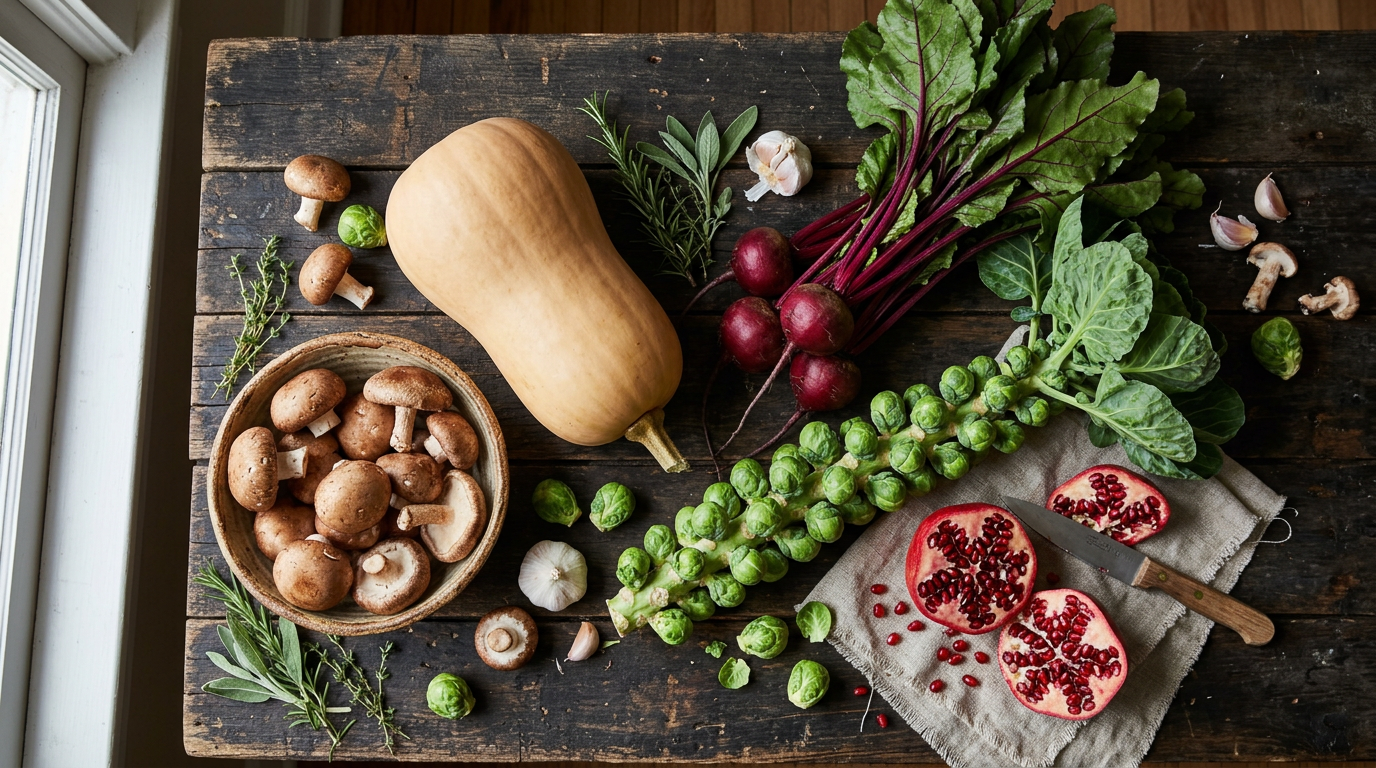
The autumn harvest is uniquely suited to support the body’s seasonal needs. It is rich in dense, starchy vegetables that provide sustained energy, root vegetables packed with minerals, and fruits and fungi that offer powerful antioxidant and immune-modulating compounds. Let’s deconstruct this toolkit.
1. The Carotenoid Powerhouses: Winter Squash and Pumpkin
The brilliant orange and yellow hues of winter squash (butternut, acorn, delicata) and pumpkin are the signature of their high carotenoid content. While often simplified to “Vitamin A,” this family of compounds includes beta-carotene, alpha-carotene, lutein, and zeaxanthin, each with distinct roles in promoting longevity.
* Mechanism: Antioxidant Defense and DNA Protection.
Carotenoids are potent antioxidants that neutralize reactive oxygen species (ROS), or free radicals. Unchecked ROS can damage cellular membranes, proteins, and most critically, DNA. This cumulative damage is a primary driver of the aging process. A 2018 study published in the *European Journal of Nutrition* found that higher circulating levels of carotenoids were associated with longer telomeres, the protective caps on the ends of our chromosomes that shorten with each cell division. By protecting telomeres from oxidative damage, carotenoids may directly slow a key biomarker of cellular aging.
* Biohacking Application:
To maximize carotenoid absorption, always consume squash and pumpkin with a source of healthy fat, such as olive oil, avocado, or nuts. The cooking process also helps break down the plant’s cell walls, making these compounds more bioavailable. Roasting or steaming is preferable to boiling, which can leach nutrients into the water.
2. The Detoxification Activators: Cruciferous Vegetables
Autumn is the peak season for cruciferous vegetables like Brussels sprouts, broccoli, cauliflower, and cabbage. Their unique, slightly bitter flavor comes from compounds called glucosinolates.
* Mechanism: Nrf2 Pathway Activation.
When we chew or chop these vegetables, an enzyme called myrosinase converts glucosinolates into isothiocyanates, most notably sulforaphane. Sulforaphane is one of the most powerful known natural activators of the Nrf2 pathway. Often called the “master regulator of antioxidant, anti-inflammatory, and detoxification responses,” the Nrf2 pathway switches on over 200 genes responsible for protecting the cell against stressors. Research published in *Oxidative Medicine and Cellular Longevity* highlights sulforaphane’s ability to upregulate the production of glutathione, the body’s master antioxidant, thereby fortifying cells against a wide range of age-related insults.
* Biohacking Application:
To preserve the myrosinase enzyme, which is sensitive to heat, consume cruciferous vegetables raw (e.g., in a slaw), lightly steamed, or “hack and hold”—chop them and let them sit for 30-40 minutes before cooking to allow for maximum sulforaphane production.
3. The Vascular and Gut Guardians: Root Vegetables
As plants prepare for winter, they store energy and nutrients in their roots, making autumn root vegetables like beets, sweet potatoes, and parsnips exceptionally dense in beneficial compounds.
* Mechanism (Beets): Nitric Oxide Production.
Beets are one of the richest dietary sources of inorganic nitrates. In the body, these are converted into nitric oxide (NO), a critical signaling molecule. NO is a potent vasodilator, meaning it relaxes and widens blood vessels, which improves blood flow, lowers blood pressure, and enhances oxygen delivery to tissues. Optimal Vascular Health & Circulation is fundamental to longevity, as it ensures all our cells and organs receive the nutrients they need.
* Mechanism (Sweet Potatoes): Gut Microbiome Modulation.
Beyond their beta-carotene content, sweet potatoes are a fantastic source of soluble and insoluble fiber. This fiber acts as a prebiotic, feeding the beneficial bacteria in your gut. A diverse and robust gut microbiome is increasingly understood to be a cornerstone of healthspan, influencing everything from immune function to mental health and inflammation levels. The anthocyanins in purple sweet potatoes offer additional antioxidant and anti-inflammatory benefits.
* Biohacking Application:
Roasting beets and sweet potatoes caramelizes their natural sugars and enhances their flavor. Consuming beets raw (juiced or grated into salads) may provide a more direct nitrate hit for performance-enhancing effects.
4. The Immune Modulators: Fungi
Mushrooms, which flourish in the damp, cool conditions of autumn, are in a biological kingdom of their own. They offer unique compounds not found in plants that are profoundly beneficial for the immune system.
* Mechanism: Beta-Glucans and Ergothioneine.
Mushrooms like shiitake, maitake, and oyster are rich in beta-glucans, complex polysaccharides that act as immune modulators. Instead of simply boosting or suppressing the immune system, they help it respond more appropriately and efficiently. They can activate immune cells like macrophages and natural killer cells, which are our first line of defense against pathogens and aberrant cells. Furthermore, mushrooms are the single best dietary source of ergothioneine, a potent amino acid antioxidant sometimes called the “longevity vitamin.” Ergothioneine has a specific transporter in the human body, indicating its biological importance, and it accumulates in tissues that are under high oxidative stress, like the brain and eyes, where it provides targeted protection.
* Biohacking Application:
Cooking mushrooms is essential to break down their tough chitin cell walls and release their bioactive compounds. Sautéing or roasting is ideal. Consider incorporating a variety of mushrooms to get a broader spectrum of benefits.
Integrating the Protocol: From Knowledge to Practice
Building an autumn longevity protocol is about consistency and smart preparation, not perfection.
1. Build Your Plate Around the Toolkit:
Aim for at least two to three of these food categories in your main meals each day. A sample day might include a smoothie with cooked pumpkin and fat, a large salad with raw shredded beets and Brussels sprouts for lunch, and a dinner of roasted salmon with shiitake mushrooms and broccoli.
2. Optimize Nutrient Bioavailability:
Remember the rules: fat with carotenoids, chop crucifers before cooking, and always cook mushrooms.
3. Consider Your Unique Biology:
While these foods are broadly beneficial, individual needs vary. Advanced Nutrient Diagnostics can help identify specific deficiencies or genetic predispositions that might guide your food choices. For example, someone with a genetic variant that impairs Vitamin A conversion might need to focus more on pre-formed retinol or be more diligent about their carotenoid intake.
4. Synergize with Other Seasonal Biohacks:
Pair your nutritional strategy with other autumnal biohacks. Embrace the cooler temperatures with cold showers or outdoor walks (mild cold thermogenesis). Honor the shorter days by prioritizing sleep and establishing a consistent evening routine to support melatonin production.
By viewing autumn not as the end of the year but as the beginning of a strategic biological reset, you can transform your relationship with food and the seasons. The vibrant harvest is nature’s invitation to upgrade your cellular software, reduce systemic inflammation, and build a more resilient biological system. This is the essence of Preventative Medicine in its most delicious form—using the power of nature to architect a longer, healthier future, one seasonal meal at a time.
Editorial Note: This article was independently researched and written based on current publicly available health information and does not represent the views of, and is not affiliated with, any external publication referenced.
References
1. Bocanegra, A., et al. (2018). Carotenoids and telomere length: A systematic review of the literature. *European Journal of Nutrition*, 58(2), 447-461. https://doi.org/10.1007/s00394-018-1662-y
2. Santorelli, P., et al. (2017). The potential role of Nrf2 in the prevention and treatment of aging-related diseases. *Oxidative Medicine and Cellular Longevity*, 2017, 8963073. https://www.ncbi.nlm.nih.gov/pmc/articles/PMC5534241/