Poor Circulation in Head and Neck: 7 Prevention Tips
Medical Disclaimer: The information provided in this article is for educational and informational purposes only and does not constitute medical advice. Always consult a qualified healthcare provider regarding any medical condition or treatment.
Poor Circulation in Head and Neck
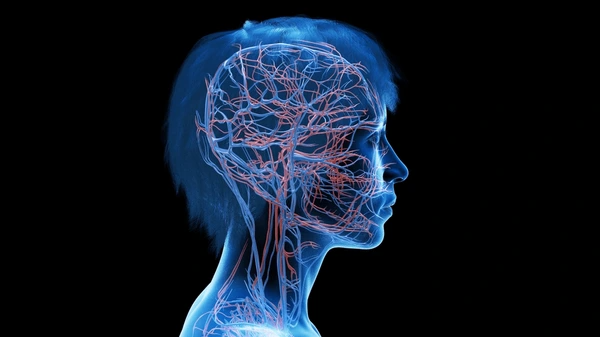
Blood flow to the head and neck supports the brain, scalp, facial skin, jaw, and neck muscles. While people often think of circulation problems in the legs or heart, healthy blood flow in the upper body is also important for overall vascular health.
Neck tightness, tiredness, or occasional lightheadedness can have many causes. They do not always mean poor circulation. However, healthy lifestyle habits—such as regular movement, good hydration, quality sleep, and blood-pressure control—can support blood vessel health and overall circulation.[health][cdc]
What Does “Poor Circulation” Mean?
Circulation is the movement of blood through arteries, veins, and tiny capillaries. Arteries carry oxygen-rich blood from the heart to tissues. Veins return oxygen-poor blood back to the heart.
“Poor circulation” is a general term, not a medical diagnosis. In the head and neck, it may refer to reduced blood flow caused by conditions such as high blood pressure, narrowed arteries, blood-clotting problems, anemia, or other health issues.
The inner lining of blood vessels, called the endothelium, helps regulate vessel widening and narrowing. When blood vessels do not function well, circulation may be affected.[pubmed.ncbi.nlm.nih]
Common Signs That Need Attention
Symptoms vary from person to person. Neck stiffness alone is usually not proof of a circulation problem, but some symptoms should be checked by a healthcare professional.
Possible signs that may need medical assessment include:
- Frequent dizziness, fainting, or near-fainting
- Sudden weakness, numbness, or trouble speaking
- Sudden vision changes or severe headache
- Chest pain, pressure, or shortness of breath
- One-sided facial drooping or arm weakness
- Persistent coldness, pale or bluish skin, or unexplained swelling
- New or worsening neck pain, especially after injury
Call emergency services immediately for sudden facial drooping, arm weakness, speech difficulty, severe sudden headache, vision loss, chest pain, or fainting. These can be signs of a stroke or another serious medical emergency.
What Affects Head and Neck Circulation?
Several factors can influence circulation throughout the body, including the head and neck:
- High blood pressure
- High cholesterol
- Smoking or nicotine use
- Diabetes or high blood sugar
- Physical inactivity
- Dehydration
- Poor sleep
- Long-term stress
- Certain heart, blood, or vascular conditions
Regular health screenings can help identify risk factors such as high blood pressure, unhealthy cholesterol levels, and high blood sugar before they cause complications.
7 Prevention Tips for Healthy Circulation
1. Eat a Balanced, Heart-Healthy Diet
A diet rich in vegetables, fruits, whole grains, legumes, nuts, and healthy fats supports overall cardiovascular health.
Leafy greens and beetroot contain dietary nitrates, which the body can convert into nitric oxide. Nitric oxide helps blood vessels relax. Research suggests beetroot juice may help lower systolic blood pressure in some adults with high blood pressure, though results vary by person.[pubmed.ncbi.nlm.nih][hero.epa]
Foods that may support vascular health include:
- Spinach, arugula, kale, and other leafy greens
- Beetroot
- Berries and citrus fruits
- Oats, beans, and lentils
- Fatty fish such as salmon or sardines
- Nuts and seeds
- Olive oil
Try to limit highly processed foods, excess salt, sugary drinks, and frequent fried foods.
2. Move Your Body Regularly
Physical activity helps support heart health, blood-pressure control, and healthy circulation. Adults should aim for at least 150 minutes of moderate-intensity aerobic activity each week, such as brisk walking, cycling, swimming, or dancing.[health][cdc][heart]
You can break this into smaller sessions. For example, a 30-minute brisk walk five days a week meets the weekly target.[cdc]
Also include muscle-strengthening activities on at least two days each week, as recommended in current physical-activity guidelines.[pubmed.ncbi.nlm.nih][cdc]
If you are new to exercise or have a heart condition, joint problem, or other medical concern, ask a healthcare professional before starting a new routine.
3. Take Breaks From Prolonged Sitting
Long periods of sitting can contribute to muscle stiffness and reduced movement. If you work at a desk, stand, stretch, or walk for a few minutes every 30 to 60 minutes.
Simple habits include:
- Adjusting your screen so your neck is not bent downward for long periods
- Keeping shoulders relaxed rather than raised toward the ears
- Taking short walking breaks during the day
- Doing gentle shoulder rolls or neck movements if they are comfortable
Avoid forceful neck stretching or rapid neck rotations, especially if you have dizziness, neck pain, or a history of neck injury.
4. Stay Hydrated
Water supports normal blood volume and helps the body function properly. Fluid needs differ based on age, activity level, climate, medicines, and health conditions.
Most people can support hydration by drinking water regularly through the day and drinking more during hot weather or exercise. People with kidney disease, heart failure, or other conditions that require fluid limits should follow their clinician’s advice.
A practical sign for many healthy adults is pale-yellow urine, but urine color is not a perfect measure for everyone.
5. Prioritize Sleep and Stress Management
Poor sleep and ongoing stress can affect blood pressure and overall cardiovascular health. Adults generally benefit from consistent sleep routines and enough restorative sleep.
Helpful habits include:
- Going to bed and waking up at similar times
- Keeping the bedroom dark, quiet, and cool
- Reducing screens before bedtime
- Avoiding caffeine late in the day
- Practicing slow breathing, meditation, prayer, journaling, or gentle stretching
- Spending time outdoors or with supportive people
If you snore loudly, wake up gasping, or feel very sleepy during the day, ask a doctor about sleep apnea. Untreated sleep apnea can affect heart and vascular health.
6. Avoid Tobacco and Limit Alcohol
Tobacco smoke and nicotine can damage blood vessels and raise cardiovascular risk. Avoiding all tobacco products, including vaping and nicotine products, is one of the most important steps for vascular health.
If you drink alcohol, keep intake moderate or consider avoiding it. Excess alcohol can raise blood pressure and contribute to other health problems. If you do not drink, there is no need to start for health reasons.
7. Get Regular Health Checkups
Many risk factors for circulation problems do not cause obvious symptoms early on. Regular checkups may include:
- Blood-pressure checks
- Cholesterol and lipid testing
- Blood-sugar or diabetes screening
- Weight and lifestyle review
- Discussion of family history and symptoms
Your doctor may recommend additional tests based on your symptoms and risk factors. Do not self-diagnose carotid artery disease or other vascular conditions based on internet symptoms.
Quick Prevention Summary
| Prevention tip | Simple action |
| Balanced diet | Eat more vegetables, fruits, whole grains, legumes, and healthy fats |
| Regular activity | Aim for 150 minutes of moderate activity weekly |
| Less sitting | Stand or walk briefly every 30–60 minutes |
| Hydration | Drink water regularly unless your doctor has advised fluid limits |
| Sleep and stress | Keep a consistent sleep routine and use relaxation practices |
| Avoid tobacco | Stop smoking, vaping, and nicotine use |
| Medical checkups | Monitor blood pressure, cholesterol, and blood sugar |
Key Takeaway: Doctor Recommendation
Healthy circulation depends on your overall cardiovascular health—not one food, drink, or exercise. For most people, the best prevention plan is regular movement, a balanced diet, good hydration, quality sleep, stress management, avoiding tobacco, and routine checks of blood pressure, cholesterol, and blood sugar.
If you have repeated dizziness, fainting, sudden weakness, speech changes, vision changes, chest pain, or shortness of breath, seek medical care promptly. These symptoms can have several causes and should be assessed by a qualified healthcare professional.
Editorial Note
This article was independently researched and written for general educational purposes. It is based on publicly available health information and does not represent the views of, and is not affiliated with, any external publication or organization referenced. It is not a substitute for professional medical advice, diagnosis, or treatment. Always consult a qualified healthcare provider about personal symptoms, medical conditions, or treatment options.
References
- Ocampo-Paipilla, A. S., et al. (2018). Dietary Nitrate from Beetroot Juice for Hypertension: A Systematic Review. https://pubmed.ncbi.nlm.nih.gov/30400267/[pubmed.ncbi.nlm.nih]
- Physical Activity Guidelines for Americans, 2nd edition. U.S. Department of Health and Human Services. https://health.gov/paguidelines/second-edition/pdf/Physical_Activity_Guidelines_2nd_edition.pdf[health]
- American Heart Association. American Heart Association Recommendations for Physical Activity in Adults. https://www.heart.org/en/healthy-living/exercise-and-physical-activity/fitness-basics/aha-recs-for-physical-activity-in-adults[heart]
- CDC. Adult Activity: An Overview—Physical Activity Basics. https://www.cdc.gov/physical-activity-basics/guidelines/adults.html[cdc]
- Piercy, K. L., et al. (2018). The Physical Activity Guidelines for Americans. JAMA. https://pubmed.ncbi.nlm.nih.gov/30418471/[pubmed.ncbi.nlm.nih]