Light vs. Dark Roast Coffee: Which Is Better for Health?
By Maria Shafiq | Founder & Health Research Writer, The Veins Vercel | Sep 26, 2026
Medical Disclaimer: The information provided in this article is for educational and informational purposes only and does not constitute medical advice. Always consult a qualified healthcare provider regarding any medical condition or treatment.
Light vs. Dark Roast Coffee: Which Is Better for Health?
Both light and dark roast coffee can be part of a healthy diet for most adults. Light roasts usually retain more chlorogenic acids, while dark roasts contain more compounds formed during longer roasting, such as melanoidins and N-methylpyridinium.
There is no single “best” roast for longevity. The healthiest choice is usually the one you enjoy, tolerate well, and drink in moderation without excess sugar or cream.
What Changes During Roasting?
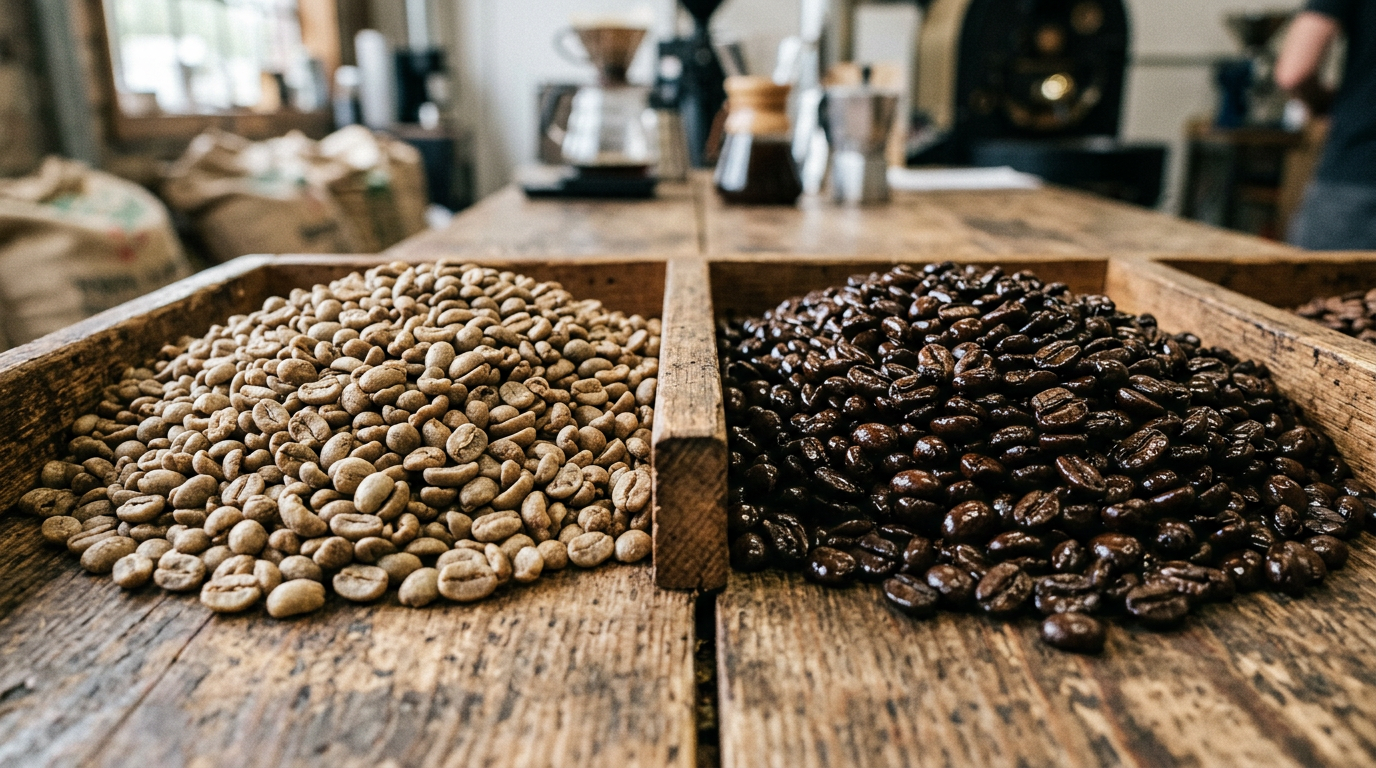
Green coffee beans are heated to develop flavor, aroma, and color. Roasting also changes the levels of natural plant compounds in coffee.
- Light roast: Roasted for a shorter time. It often has more chlorogenic acids and a brighter, more acidic taste.
- Dark roast: Roasted longer. It usually has fewer chlorogenic acids but more melanoidins and N-methylpyridinium (NMP), compounds formed during roasting.
Neither roast is automatically healthier. They simply have different chemical profiles and flavors.[pubmed.ncbi.nlm.nih][pmc.ncbi.nlm.nih]
Light Roast: Higher in Chlorogenic Acids
Chlorogenic acids (CGAs) are polyphenols found naturally in coffee. Light roasts generally retain more CGAs because these compounds decrease with longer, hotter roasting.[pubmed.ncbi.nlm.nih][pmc.ncbi.nlm.nih]
CGAs have antioxidant activity, meaning they may help reduce oxidative stress in laboratory studies. Coffee also contains other plant compounds that may have antioxidant and anti-inflammatory effects.[nutritionsource.hsph.harvard]
However, drinking light roast coffee does not guarantee protection against aging, cancer, diabetes, or heart disease. Coffee is one part of an overall diet—not a medical treatment.
Dark Roast: Gentler for Some People
Dark roast coffee may be easier for some people to tolerate. In a small study of nine healthy volunteers, a dark roast blend stimulated less gastric acid secretion than a medium-roast market blend. The dark roast had more NMP and less chlorogenic acid.[pubmed.ncbi.nlm.nih][onlinelibrary.wiley]
This does not mean dark roast cures acid reflux or is safe for everyone with digestive problems. Coffee can still trigger heartburn, bloating, or stomach discomfort in some people.
If coffee regularly causes symptoms, try:
- A smaller serving
- Drinking it with food
- Choosing a darker roast or lower-acid coffee
- Avoiding coffee close to bedtime
- Speaking with a clinician if symptoms continue
Does Roast Level Change Caffeine?
Not much. Caffeine levels depend more on the coffee bean type, serving size, brewing method, and how strong you make the coffee than on roast level alone.[pubmed.ncbi.nlm.nih]
A common myth is that dark roast has much more caffeine because it tastes “stronger.” In reality, roast level has a relatively small effect compared with brewing strength and bean variety.
How Much Coffee Is Reasonable?
For most healthy adults, up to 400 mg of caffeine per day is generally considered safe. That is roughly three to four 8-ounce cups of brewed coffee, depending on strength.[nutritionsource.hsph.harvard][fda][mayoclinic]
Caffeine affects people differently. You may need less if you are sensitive to caffeine or notice:
- Jitteriness or anxiety
- Rapid heartbeat
- Trouble sleeping
- Headaches
- Stomach upset
- High blood pressure concerns
Pregnant people, people with heart rhythm problems, anxiety disorders, reflux, or those taking certain medicines should ask a healthcare professional what amount is appropriate.
Which Roast Should You Choose?
| Your priority | Better option |
| Bright flavor and higher chlorogenic acids | Light roast [pubmed.ncbi.nlm.nih][pmc.ncbi.nlm.nih] |
| Smoother, less acidic taste | Medium or dark roast |
| Coffee that may feel gentler on the stomach | Dark roast may suit some people, but results vary [pubmed.ncbi.nlm.nih][onlinelibrary.wiley] |
| Less caffeine | Decaf, smaller servings, or weaker brewing |
| Best overall health choice | The coffee you enjoy in moderation, without lots of added sugar |
Simple Ways to Make Coffee Healthier
- Avoid large amounts of sugar, syrups, and whipped cream
- Use milk or a milk alternative in moderation
- Avoid drinking coffee too late if it affects sleep
- Do not use coffee to replace meals or mask exhaustion
- Choose filtered coffee if advised, especially if you have cholesterol concerns
- Stay within your personal caffeine limit
Coffee can fit into a healthy lifestyle, but it works best alongside balanced meals, regular movement, good sleep, and routine medical care.
Key Takeaway: Doctor-Style Recommendation
For most healthy adults, moderate coffee intake—up to about 400 mg of caffeine daily—is reasonable. Choose light roast if you prefer its taste and want more chlorogenic acids; choose dark roast if it is easier on your stomach. Avoid loading coffee with sugar, and reduce or avoid caffeine if it worsens sleep, anxiety, palpitations, or digestive symptoms.
Editorial Note
This article is for general educational purposes only and is not medical advice. It does not diagnose, treat, cure, or prevent any disease. Caffeine tolerance varies, so consult a qualified healthcare professional if you are pregnant, breastfeeding, managing a heart condition, taking medication, or experiencing recurring symptoms after drinking coffee.
References
- Rubach, M., et al. (2014). A dark brown roast coffee blend is less effective at stimulating gastric acid secretion in healthy volunteers compared to a medium roast market blend. Molecular Nutrition & Food Research, 58(6), 1220–1229.[pubmed.ncbi.nlm.nih][onlinelibrary.wiley]
- Kotyczka, C., et al. (2011). Dark roast coffee is more effective than light roast coffee in reducing body weight, and in restoring red blood cell vitamin E and glutathione concentrations in healthy volunteers. Molecular Nutrition & Food Research, 55(10), 1582–1586.[pubmed.ncbi.nlm.nih]
- U.S. Food and Drug Administration. (2024). Spilling the beans: How much caffeine is too much?[fda]
- Mayo Clinic. Caffeine: How much is too much?[mayoclinic]
- Harvard T.H. Chan School of Public Health. Coffee: The Nutrition Source.[nutritionsource.hsph.harvard]
- American Heart Association. Coffee and heart health: How many cups of caffeinated coffee are safe to drink each day?[newsroom.heart]
Yoast SEO Settings
- Focus keyphrase: light vs dark roast coffee
- SEO title: Light vs. Dark Roast Coffee: Which Is Better for Health?
- Slug: light-vs-dark-roast-coffee-health
- Meta description: Compare light and dark roast coffee for taste, caffeine, stomach comfort, and health—plus how much coffee is reasonable for most adults.
- Use the focus keyphrase in the first paragraph, one H2, meta description, and conclusion.
- Internal links: Link to related posts on caffeine, sleep, gut health, antioxidants, and heart health.
- External links: Keep only 2–3 authoritative links, such as FDA, Mayo Clinic, Harvard, AHA, or PubMed.
This version keeps the comparison interesting and SEO-friendly while avoiding unsupported claims about “cellular protection,” guaranteed weight loss, or coffee as a longevity treatment.