Healthy Eating on a Budget: Affordable Foods for Longevity
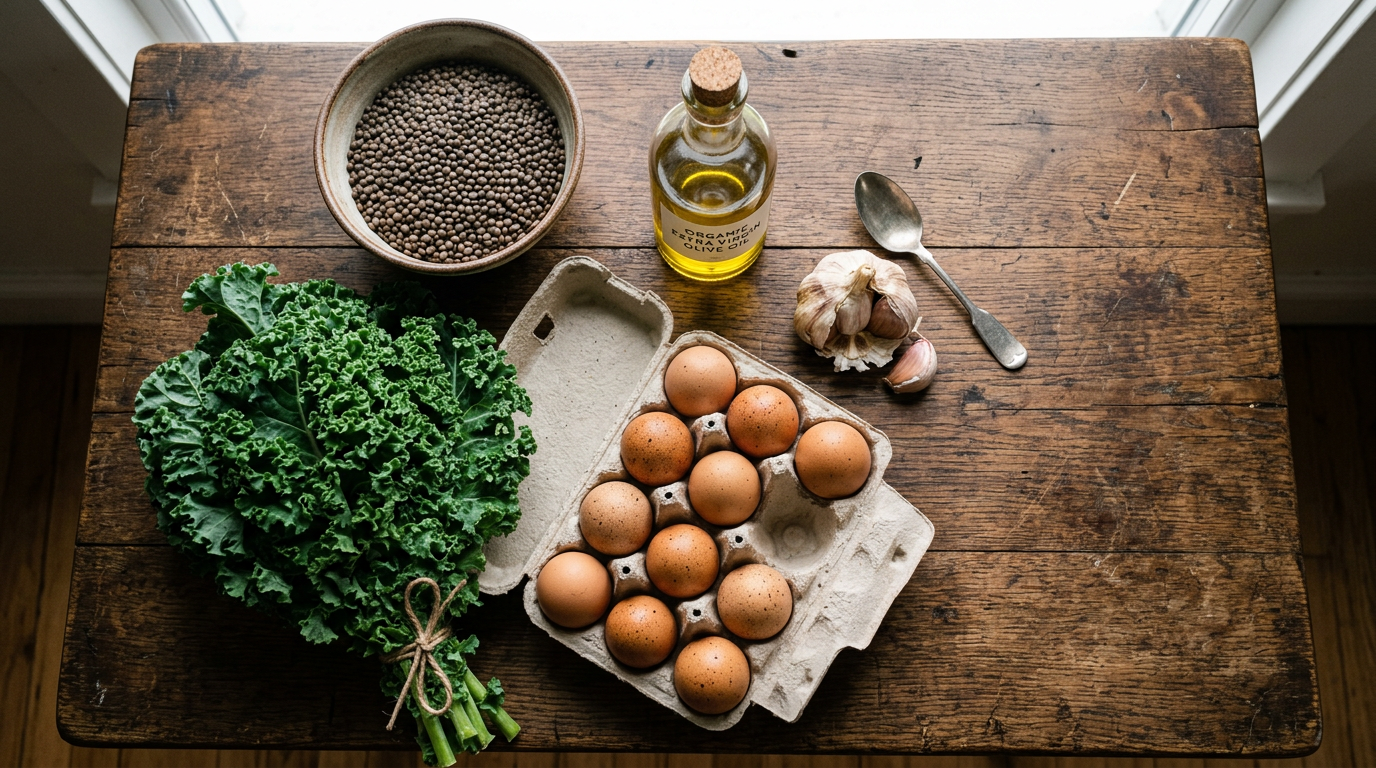
Economic Biohacking: A Practical Guide to Healthy Eating on a Budget
You do not need expensive supplements, superfood powders, or high-tech gadgets to eat for long-term health. Many of the most useful foods for healthy aging—beans, oats, eggs, frozen vegetables, seasonal fruit, and whole grains—are affordable and easy to find.
This guide explains how to build a nutritious, budget-friendly eating pattern that supports energy, muscle health, digestion, and overall wellbeing.
What Is Economic Biohacking?
“Economic biohacking” simply means making practical health choices that fit your budget. Instead of chasing costly products, you focus on affordable, nutrient-dense foods and repeatable habits.
A healthy diet does not have to be perfect. It works best when it includes a variety of vegetables, fruits, whole grains, legumes, nuts, seeds, and suitable protein sources while limiting added sugar, excess salt, and highly processed foods.[dietaryguidelines][pmc.ncbi.nlm.nih]
Build a Low-Cost Healthy Pantry
Keeping a few versatile staples at home makes it easier to prepare balanced meals and avoid last-minute expensive takeaways.
Helpful budget staples include:
- Dried or canned beans, lentils, and chickpeas
- Oats, brown rice, barley, and whole-grain pasta
- Eggs, yogurt, and cottage cheese
- Frozen vegetables and fruits
- Seasonal fresh produce
- Peanut butter, sunflower seeds, or other affordable nuts and seeds
- Canned fish such as sardines or tuna, when available and affordable
Frozen, canned, and dried produce can be good options when they contain little or no added sugar or salt.[cdn.realfood][medlineplus]
Legumes: Affordable Protein and Fiber
Lentils, chickpeas, black beans, kidney beans, and split peas are among the best-value foods for a healthy diet. They provide plant protein, fiber, folate, iron, potassium, and other nutrients.
Legumes can support:
- Fullness after meals
- Steady energy
- Digestive health through fiber
- A more plant-forward eating pattern
- Lower grocery costs when used instead of part of the meat in a meal
Dietary guidelines include beans, peas, and lentils as core protein foods and recognize them as part of a healthy dietary pattern.[dietaryguidelines][heart]
Easy meal ideas: lentil soup, chickpea curry, bean chili, dal with brown rice, or a black-bean and vegetable bowl.
Whole Grains and Seeds for Steady Energy
Whole grains contain more fiber and nutrients than refined grains because they keep more of the grain’s natural structure. Guidelines recommend making at least half of your grains whole grains.[dietaryguidelines]
Affordable options include:
- Oats for breakfast or overnight oats
- Brown rice or barley for lunch bowls
- Whole-wheat pasta or chapati
- Popcorn as a simple high-fiber snack
- Whole-grain bread, where available
Chia seeds and ground flaxseed can add fiber and plant-based omega-3 fats, but they are optional. If they are too expensive, legumes, vegetables, fruit, and whole grains still form a solid foundation.
Frozen Produce Is a Smart Choice
Frozen fruits and vegetables can be just as nutritious as fresh options—and sometimes more convenient. A study comparing refrigerated and frozen produce found that vitamin content was generally comparable, and in some cases frozen samples had higher levels of certain vitamins.[pubs.acs]
Frozen produce is useful because it:
- Costs less in many regions
- Reduces food waste
- Is available year-round
- Cooks quickly
- Works well in soups, curries, smoothies, stews, and stir-fries
Good freezer staples include spinach, mixed vegetables, broccoli, peas, berries, and mango. Choose plain frozen produce without sauces, added sugar, or excess salt.[cdn.realfood][medlineplus]
Affordable Protein Options
Protein supports muscle maintenance, recovery, immune function, and fullness. You do not need expensive meat or protein powders to meet your needs.
Budget-friendly protein sources include:
- Eggs
- Lentils, beans, and chickpeas
- Yogurt or curd
- Cottage cheese or paneer
- Tofu or soybeans
- Canned fish
- Chicken thighs or drumsticks, where affordable
- Peanut butter and seeds
If you eat meat, you do not need organ meats to be healthy. Liver is nutrient-dense, but it is also very high in vitamin A, so it should be eaten in moderation and avoided in excess—especially during pregnancy or if you have specific medical conditions. Speak with a healthcare professional or dietitian if you are unsure.
Cook at Home More Often
Home cooking gives you more control over ingredients, portion sizes, salt, sugar, and cost. It also makes it easier to use leftovers and reduce food waste.
Simple ways to save money:
- Plan 3–5 meals before shopping
- Buy only the fresh produce you will realistically use
- Cook larger batches and freeze portions
- Use leftover vegetables in soups, fried rice, omelets, or curries
- Compare unit prices, not just package prices
- Choose plain canned beans and rinse them to reduce sodium
- Keep meals simple: one protein, one grain, and vegetables
A balanced plate does not need to be complicated. Aim to fill about half your plate with vegetables and fruits, with the rest including protein and whole grains.[nutritionsource.hsph.harvard][health.harvard]
A Simple Budget-Friendly Day of Eating
| Meal | Low-cost example |
| Breakfast | Oats with banana, peanut butter, and cinnamon |
| Lunch | Lentil soup with whole-grain bread or rice |
| Snack | Seasonal fruit, yogurt, or roasted chickpeas |
| Dinner | Vegetable and bean curry with brown rice |
| Optional snack | Frozen berries with yogurt or a boiled egg |
Foods to Limit
You do not need to eliminate foods completely. But limiting these can support both health and budget:
- Sugary drinks and energy drinks
- Packaged snacks and sweets
- Highly processed ready meals
- Excess instant noodles
- Fried takeaway foods
- Expensive “health” snacks with little nutritional value
“Healthy” labels do not always mean a product is nutritious. Check the ingredient list and nutrition label for added sugar, sodium, and saturated fat.
Who Should Adapt This Approach?
Nutrition needs vary from person to person. Talk to a doctor or registered dietitian before making major changes if you have diabetes, kidney disease, heart disease, food allergies, celiac disease, pregnancy-related needs, or take regular medicines.
For example:
- Diabetes: Focus on portion size, fiber, and regular meal timing; monitor blood sugar as advised.
- Kidney disease: Potassium, phosphorus, protein, and fluid needs may need personal adjustment.
- Iron-deficiency anemia: Pair plant-based iron foods with vitamin C-rich foods and follow medical advice.
- Digestive issues: Increase fiber gradually and drink enough water.
- Food allergies: Replace problem foods with suitable alternatives rather than forcing one “perfect” diet.
Key Takeaway: Doctor-Style Recommendation
Healthy aging does not require expensive products. Build most meals around beans or lentils, whole grains, vegetables, fruit, and an affordable protein source such as eggs, yogurt, tofu, or canned fish. Frozen vegetables and fruits are excellent budget-friendly options. If you have a medical condition, adjust the plan with a qualified healthcare professional.
Editorial Note
This article is for general educational purposes only and is not medical advice. It does not diagnose, treat, cure, or prevent any disease. Individual nutrition needs differ, so consult a qualified healthcare professional or registered dietitian before making significant dietary changes.
References
- Bouzari, A., Holstege, D., & Barrett, D. M. (2015). Vitamin retention in eight fruits and vegetables: A comparison of refrigerated and frozen storage. Journal of Agricultural and Food Chemistry, 63(3), 957–962.[pubs.acs]
- U.S. Department of Agriculture and U.S. Department of Health and Human Services. (2020). Dietary Guidelines for Americans, 2020–2025.[dietaryguidelines]
- Dietary Guidelines for Americans. (2025). Eat Real Food: Dietary Guidelines for Americans, 2025–2030.[cdn.realfood]
- MedlinePlus. (2026). Building a plan for healthy eating.[medlineplus]
- Harvard T.H. Chan School of Public Health. The Healthy Eating Plate.[nutritionsource.hsph.harvard]
- American Heart Association. Diet and lifestyle recommendations.[heart]