Daily Drink Choices and Vascular Health: Simple Guide
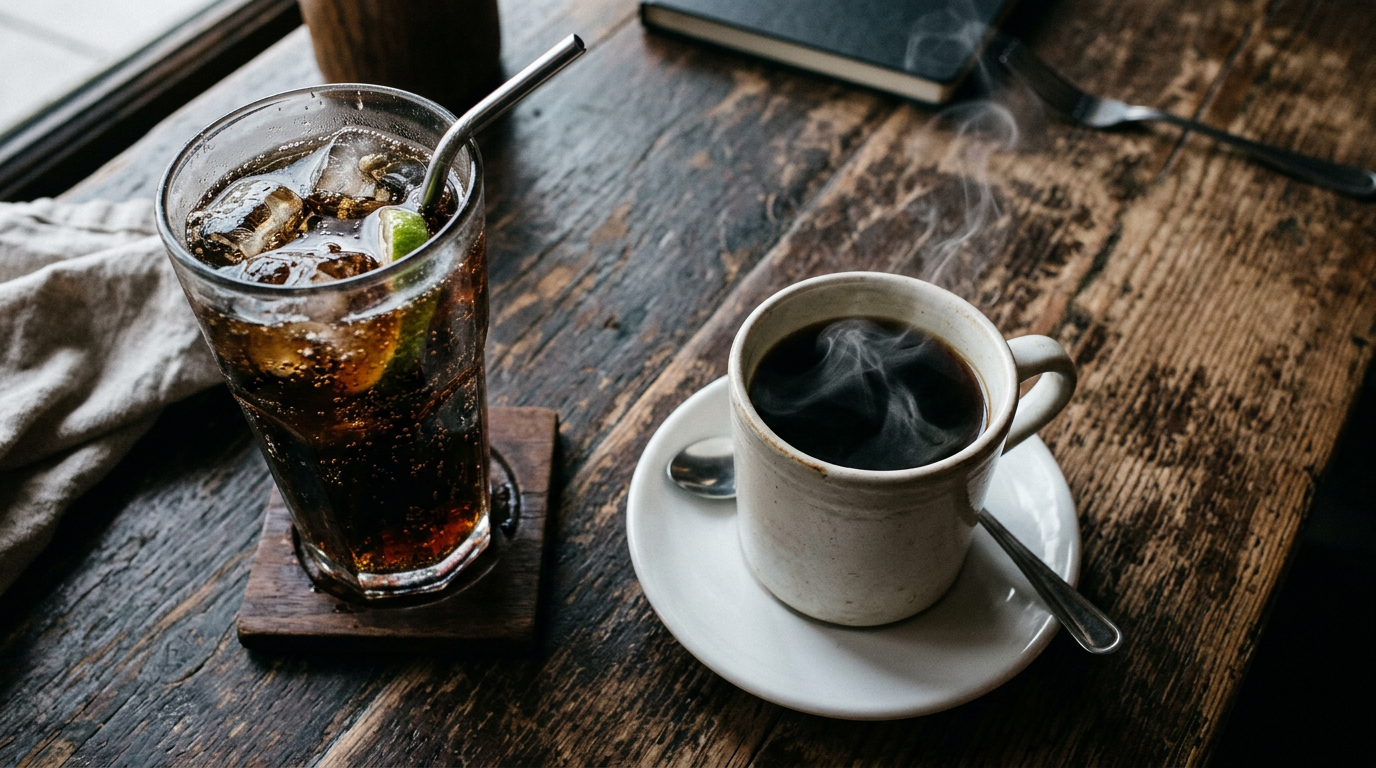
How Daily Drink Choices May Affect Vascular Health and Mood
Your daily drinks can influence blood pressure, blood sugar, hydration, sleep, and overall vascular health. While no single beverage causes or cures depression, regularly choosing water, tea, and nutrient-rich drinks over sugary or heavily processed drinks may support both circulation and mental well-being.[pubmed.ncbi.nlm.nih][cdc]
Key Takeaways
- Sugary drinks are linked with a modestly higher risk of depression in observational studies, but they do not prove that soda directly causes depression.[pubmed.ncbi.nlm.nih][cdc]
- High blood pressure, high blood sugar, poor sleep, and inflammation can affect blood vessel health over time.
- Water should be your main daily drink.
- Unsweetened green tea and beetroot juice may offer some vascular benefits, but they are not treatments for depression or heart disease.[pubmed.ncbi.nlm.nih][pmc.ncbi.nlm.nih]
- If you have ongoing low mood, chest pain, fainting, severe shortness of breath, or stroke-like symptoms, seek medical care promptly.
What Is Vascular Health?
Vascular health refers to how well your blood vessels carry blood throughout the body. Healthy arteries and capillaries help deliver oxygen and nutrients to the heart, brain, muscles, and organs.
Over time, conditions such as high blood pressure, high cholesterol, diabetes, smoking, inactivity, and chronic inflammation can damage blood vessels. This may reduce circulation and raise the risk of heart disease, stroke, and other vascular problems.
Can Drinks Affect Mood and Depression?
The vascular depression hypothesis suggests that blood-vessel problems, especially in the brain, may contribute to depression in some older adults. Researchers propose that reduced blood flow or small-vessel disease may affect brain areas involved in mood, motivation, and thinking.[nature][pubmed.ncbi.nlm.nih]
However, depression is complex. It can be influenced by genetics, life stress, sleep, physical health, medications, social support, and brain chemistry. Drinks alone do not cause depression, and changing drinks alone should not replace professional mental-health care.
Drinks That May Work Against Vascular Health
1. Sugar-Sweetened Sodas and Sweet Teas
Sodas, sweet iced teas, energy drinks, and many packaged juices can add a large amount of sugar quickly. Frequent intake may contribute to weight gain, higher blood sugar, and a higher risk of type 2 diabetes.
A meta-analysis of observational studies found that people with the highest sugar-sweetened beverage intake had about 31% higher odds of depression than those with the lowest intake. This shows an association, not proof that sugary drinks directly cause depression.[pubmed.ncbi.nlm.nih][cdc]
Better choice: Plain water, sparkling water without sugar, or unsweetened tea.
2. Energy Drinks
Energy drinks often contain high levels of caffeine and sugar. Too much caffeine may cause a fast heartbeat, anxiety, jitteriness, headaches, and sleep problems in some people.
Poor sleep can affect mood, concentration, blood pressure, and overall health. If you use energy drinks daily, consider reducing them gradually rather than stopping suddenly if you consume large amounts regularly.
Better choice: Small amounts of coffee or tea earlier in the day, if caffeine suits you.
3. Excess Alcohol
Heavy or frequent alcohol intake can raise blood pressure, disrupt sleep, and contribute to inflammation. It may also worsen anxiety and depressive symptoms for some people.
If you drink alcohol, keeping intake moderate—or avoiding it altogether—is generally better for vascular and mental health. People with certain medical conditions or taking certain medicines should ask a clinician whether alcohol is safe for them.
4. Very Salty or Heavily Processed Drinks
Some packaged soups, sports drinks, and flavored beverages can be high in sodium or additives. Most people do not need extra electrolyte drinks unless they sweat heavily, exercise for long periods, or have been advised to use them by a healthcare professional.
Better choice: Water is enough for most everyday hydration needs.
What About Diet Drinks?
Diet drinks contain little or no sugar, so they may be a better option than regular soda for people trying to reduce sugar intake. However, research on artificial sweeteners, gut bacteria, mood, and long-term vascular health is still developing.
It is best not to claim that diet soda directly damages the brain or causes depression. A practical approach is to make water your default drink and use diet drinks only occasionally if you enjoy them.
Drinks That May Support Vascular Health
1. Water
Water supports normal blood volume, temperature control, digestion, and circulation. Mild dehydration can cause tiredness, headaches, dizziness, and difficulty concentrating.
Most healthy adults can use thirst as a guide, though needs vary with weather, activity level, body size, pregnancy, and medical conditions.
2. Unsweetened Green Tea
Green tea contains plant compounds called polyphenols, including EGCG, as well as some caffeine and L-theanine. Some research suggests green tea compounds may support blood-vessel function, but evidence does not show that green tea treats depression.
Choose unsweetened green tea rather than bottled versions with added sugar. If you are sensitive to caffeine, drink it earlier in the day or choose a lower-caffeine option.
3. Beetroot Juice
Beetroot juice contains dietary nitrate, which the body can convert into nitric oxide. Nitric oxide helps blood vessels relax.
Clinical studies and meta-analyses suggest beetroot juice may lower systolic blood pressure in some adults with high blood pressure. In one meta-analysis, beetroot-derived nitrate reduced systolic blood pressure by about 4.95 mm Hg, while the effect on diastolic blood pressure was not significant.[pubmed.ncbi.nlm.nih]
Beetroot juice is not a replacement for prescribed blood-pressure medicine. People taking blood-pressure medication, or those with kidney disease or low blood pressure, should speak with a clinician before using it regularly.
4. Hibiscus Tea
Unsweetened hibiscus tea may help support healthy blood pressure in some people, but effects vary. It should not be considered a substitute for medical treatment.
Hibiscus can interact with some medicines and may not be suitable for everyone, especially people with low blood pressure. Ask a pharmacist or doctor if you take regular medication.
Simple Daily Drink Routine
| Time | Better Drink Choice | Why It Helps |
| Morning | Water | Rehydrates after sleep |
| Mid-morning | Unsweetened tea or coffee, if tolerated | Provides a moderate caffeine option |
| Lunch | Water or unsweetened beetroot juice occasionally | Supports hydration; beetroot may help blood pressure in some people [pubmed.ncbi.nlm.nih] |
| Afternoon | Water or sparkling water | Helps avoid sugary pick-me-ups |
| Evening | Herbal tea, caffeine-free | Supports relaxation without affecting sleep |
When to See a Doctor
Speak with a doctor if you have persistent sadness, loss of interest, hopelessness, sleep changes, or low energy for more than two weeks. Depression is treatable, and support from a qualified healthcare professional can make a real difference.
Seek urgent medical help if you have chest pain, fainting, severe shortness of breath, sudden weakness on one side, facial drooping, trouble speaking, or a sudden severe headache. These can be signs of a heart or brain emergency.
Editorial Note
This article is for general information only and is not medical advice. It was written to summarize publicly available research in simple language. Individual health needs differ, so consult a qualified doctor, dentist, cardiologist, or mental-health professional before making major changes to your diet, supplements, or treatment plan.
References
- Alexopoulos, G. S., et al. (1997). “Vascular depression” hypothesis. Archives of General Psychiatry, 54(10), 915–922. https://doi.org/10.1001/archpsyc.1997.01830220033006
- Siervo, M., et al. (2022). Nitrate derived from beetroot juice lowers blood pressure in patients with arterial hypertension: A systematic review and meta-analysis. Frontiers in Nutrition. https://pubmed.ncbi.nlm.nih.gov/35369064/
- Hu, D., Cheng, L., & Jiang, W. (2019). Sugar-sweetened beverages consumption and the risk of depression: A meta-analysis of observational studies. Journal of Affective Disorders, 245, 348–355. https://doi.org/10.1016/j.jad.2018.11.015
- Clifford, T., et al. (2015). The potential benefits of red beetroot supplementation in health and disease. Nutrients, 7(4), 2801–2822. https://doi.org/10.3390/nu7042801
- Centers for Disease Control and Prevention. (2021). Association between consumption of sugar-sweetened beverages and depression. Preventing Chronic Disease. https://www.cdc.gov/pcd/issues/2021/20_0574.htm