Apples and Health Benefits: Quercetin, Pectin, and Fiber
Medical Disclaimer: The information provided in this article is for educational and informational purposes only and does not constitute medical advice. Always consult a qualified healthcare provider regarding any medical condition or treatment.
Apples and Healthy Aging: What Quercetin and Pectin May Do
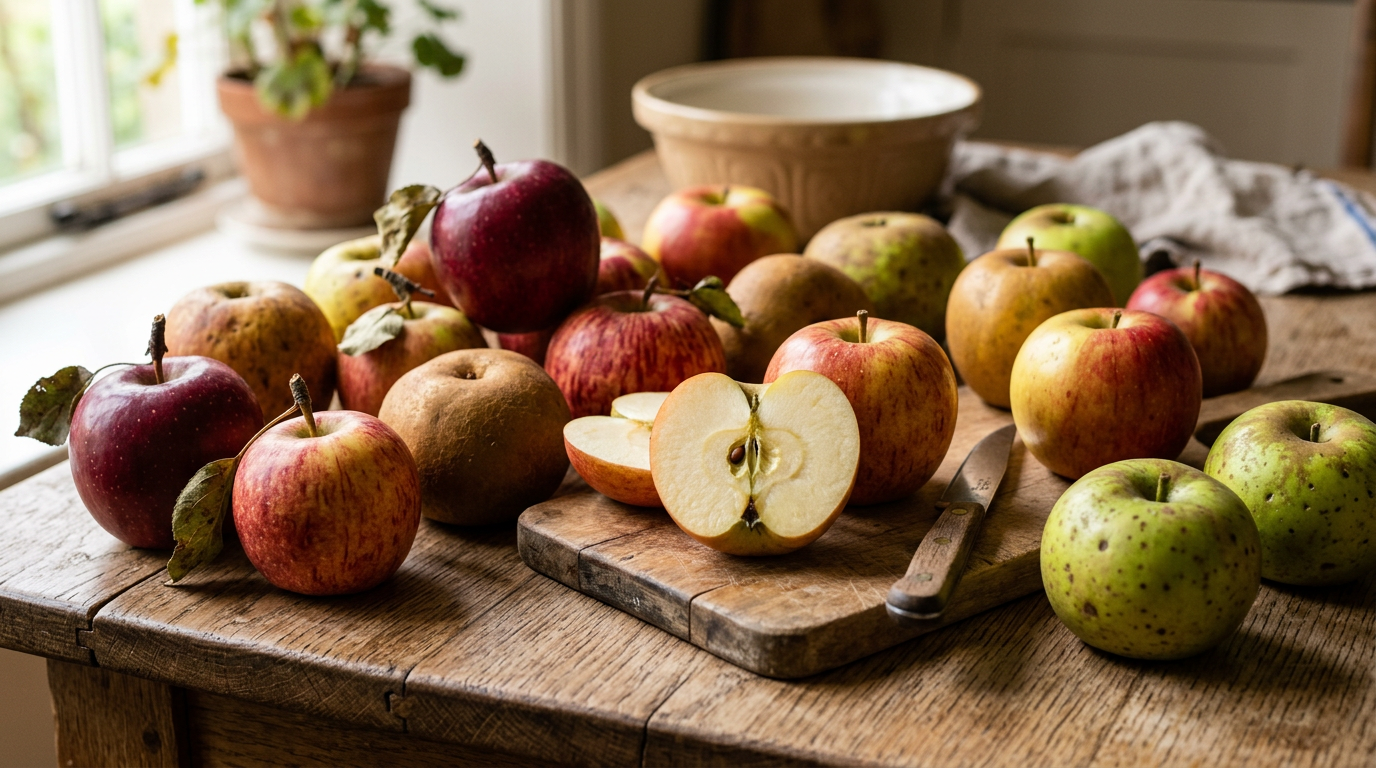
Apples are a simple, affordable fruit that provides fiber, vitamin C, and plant compounds such as quercetin and pectin. Eating whole apples can be part of a balanced diet that supports digestion, heart health, and healthy aging.
Apples do not reverse aging, clear “zombie cells” in humans, or prevent disease on their own. But choosing whole fruit over juice and eating a variety of fiber-rich plant foods can support overall wellbeing.[pmc.ncbi.nlm.nih][nutritionsource.hsph.harvard]
What Makes Apples Nutritious?
A medium apple provides fiber, water, vitamin C, potassium, and plant compounds called polyphenols. Much of the fiber is pectin, a soluble fiber found naturally in apples.[nutritionsource.hsph.harvard][nutritionsource.hsph.harvard]
Apples also contain quercetin, a flavonoid found mainly in the peel. Flavonoids are plant compounds being studied for their antioxidant and anti-inflammatory activity.[nutritionsource.hsph.harvard][health.harvard]
Quercetin: A Plant Compound Worth Knowing
Quercetin is found in apples, onions, berries, tea, and other plant foods. In laboratory studies, quercetin has shown antioxidant and anti-inflammatory activity.[pubmed.ncbi.nlm.nih]
However, eating apples does not mean you are taking a proven “senolytic” treatment. Senolytics are substances being studied for their potential to remove senescent cells, but evidence in humans is still limited. Quercetin from food should not be confused with high-dose quercetin supplements.[pubmed.ncbi.nlm.nih]
Quercetin supplements can interact with some medicines, and long-term safety data for high doses are limited. Speak with a clinician or pharmacist before taking quercetin supplements.[pubmed.ncbi.nlm.nih][ods.od.nih]
Pectin: A Helpful Soluble Fiber
Pectin is a soluble fiber. Soluble fiber dissolves in water and forms a gel-like substance in the digestive tract. It may slow digestion, support fullness, and help normalize blood sugar and cholesterol levels.[nutritionsource.hsph.harvard]
Apples, berries, oats, beans, lentils, and citrus fruits are sources of soluble fiber. Eating a variety of fiber-rich foods is more useful than focusing on one fruit or fiber type.[nutritionsource.hsph.harvard]
Apples and Cholesterol
A small randomized crossover trial studied 40 adults with mildly high cholesterol. Participants ate two apples daily for eight weeks or drank a sugar- and calorie-matched apple beverage. The whole-apple group had modestly lower total cholesterol, LDL cholesterol, and triglycerides than the beverage group.[pubmed.ncbi.nlm.nih][sciencedirect]
The study also found improved microvascular blood-vessel response after apple consumption. However, apples did not lower blood pressure or improve all cardiovascular markers.[pubmed.ncbi.nlm.nih][naturalhealthresearch]
This does not prove that apples treat high cholesterol. It suggests that whole apples may be a useful part of a heart-healthy diet, especially when they replace less nutritious snacks or sugary drinks.[nutritionsource.hsph.harvard][pubmed.ncbi.nlm.nih]
Apples and Gut Health
Pectin is fermentable fiber, meaning gut bacteria can break it down and produce short-chain fatty acids. These substances are part of normal gut function and may support the intestinal lining.[pmc.ncbi.nlm.nih][nutritionsource.hsph.harvard]
But “leaky gut” is not a diagnosis that can be confirmed simply because someone has bloating or irregular bowel habits. If you have ongoing digestive symptoms, it is better to speak with a clinician than to self-treat with apple products or supplements.
Whole Apples vs. Apple Juice
Whole apples usually provide more fiber and take longer to eat than juice. A whole apple contains more pectin than apple juice, and research suggests whole apples may have a greater effect on LDL cholesterol than juice.[pmc.ncbi.nlm.nih][nutritionsource.hsph.harvard]
If you enjoy apple juice, choose 100% juice and keep the portion small. But whole fruit is generally the better everyday choice.
Easy Ways to Eat More Apples
- Slice an apple with peanut butter or almond butter
- Add chopped apple to oatmeal or yogurt
- Bake apples with cinnamon and a small amount of nuts
- Add apple slices to salads with leafy greens and walnuts
- Use unsweetened stewed apples as a simple dessert
- Keep whole apples available for a portable snack
Wash apples well before eating them, especially if you eat the peel.
Who Should Be Careful?
Apples are safe for most people, but individual needs vary. Talk to a healthcare professional if you have:
- IBS or bloating: Apples contain fermentable carbohydrates that may trigger symptoms in some people.
- Diabetes: Whole apples can fit into a balanced diet, but monitor portions and blood sugar as advised.
- Kidney disease: Ask your clinician about potassium and fluid needs.
- Food allergies: Avoid apples if you have a known apple allergy or oral allergy syndrome symptoms.
- Supplement use: Do not assume quercetin supplements are safe or necessary.[pubmed.ncbi.nlm.nih][ods.od.nih]
Key Takeaway: Doctor-Style Recommendation
Whole apples can be a healthy part of a balanced diet. Their fiber and plant compounds may support digestion and heart health, but they are not anti-aging medicines or a replacement for medical care. If you have digestive symptoms, diabetes, kidney disease, or take regular medicines, personalize your diet with a healthcare professional.
Editorial Note
This article is for general educational purposes only and is not medical advice. It does not diagnose, treat, cure, or prevent any disease. Nutrition needs vary from person to person. Consult a qualified healthcare professional or registered dietitian before making major dietary changes or taking supplements.
References
- Koutsos, A., et al. (2020). Two apples a day lower serum cholesterol and improve cardiometabolic biomarkers in mildly hypercholesterolemic adults: A randomized, controlled, crossover trial. American Journal of Clinical Nutrition, 111(2), 307–318.[pubmed.ncbi.nlm.nih][sciencedirect]
- Harvard T.H. Chan School of Public Health. Apples: The Nutrition Source.[nutritionsource.hsph.harvard]
- Harvard T.H. Chan School of Public Health. Fiber: The Nutrition Source.[nutritionsource.hsph.harvard]
- Whole fruits and fruit fiber: Emerging health effects. PMC / NIH.[pmc.ncbi.nlm.nih]
- Safety aspects of the use of quercetin as a dietary supplement. PubMed.[pubmed.ncbi.nlm.nih]
- National Institutes of Health Office of Dietary Supplements. Dietary supplements: What you need to know.[ods.od.nih]
- Harvard Health Publishing. Fruit of the month: Apples.[health.harvard]
Yoast SEO Settings
- Focus keyphrase: apples and health benefits
- SEO title: Apples and Health Benefits: Quercetin, Pectin, and Fiber
- Slug: apples-health-benefits-quercetin-pectin
- Meta description: Learn how apples’ fiber, pectin, and quercetin may support digestion and heart health—plus simple ways to enjoy whole apples.
- Use the focus keyphrase in the first paragraph, one H2, meta description, and conclusion.
- Internal links: Link to related posts on fiber, gut health, cholesterol, heart health, and healthy snacks.
- External links: Keep only 2–3 authoritative links, such as NIH, Harvard, PubMed, or the original clinical trial.
This version keeps the apple topic appealing while avoiding unsupported claims about senolytic effects, “leaky gut” prevention, or guaranteed longevity benefits.