The Apple as a Biohack: Unlocking Cellular Longevity with Quercetin and Pectin
Medical Disclaimer: The information provided in this article is for educational and informational purposes only and does not constitute medical advice. Always consult a qualified healthcare provider regarding any medical condition or treatment.
Apple Biohacking Tool for Longevity: Quercetin and Pectin Secrets
The familiar folk adage promises that an apple a day keeps the doctor away. However, modern geroscience is revealing profound biological truths behind that traditional wisdom.
Utilizing an apple biohacking tool for longevity transforms everyday nutrition into targeted molecular medicine. Researchers no longer treat apples as simple dietary fruit snacks.
Instead, scientists evaluate whole apples as complex delivery vectors for potent phytochemicals. These bioactive molecules communicate directly with core genetic and cellular pathways.
Specifically, apple polyphenols modulate fundamental mechanisms governing systemic inflammation, senescent cell burden, and vascular health. Understanding these biochemical mechanisms allows you to optimize cellular resilience and lifespan systematically.
Quercetin: A Potent Natural Senolytic Ally
Evaluating the peel reveals high concentrations of a unique bioactive flavonoid called quercetin. While recognized historically as an antioxidant, quercetin functions as a remarkable natural senolytic.
Cellular senescence represents one of the primary drivers of mammalian biological aging. As healthy cells experience metabolic wear, some enter permanent growth arrest.
These dysfunctional zombie cells secrete toxic cytokines known as the senescence-associated secretory phenotype (SASP). Sustained SASP secretion induces chronic, low-grade tissue inflammation termed inflammaging.
Senolytic molecules selectively trigger programmed cell death, or apoptosis, in damaged zombie cells. Clearing these dysfunctional cells rejuvenates surrounding tissue beds and restores organ efficiency.
A comprehensive review in Nutrients highlights quercetin’s ability to down-regulate pro-inflammatory NF-κB pathways [1]. Furthermore, pairing whole-food polyphenols with intermittent fasting and nutrient-sensing strategies accelerates cellular autophagy pathways.
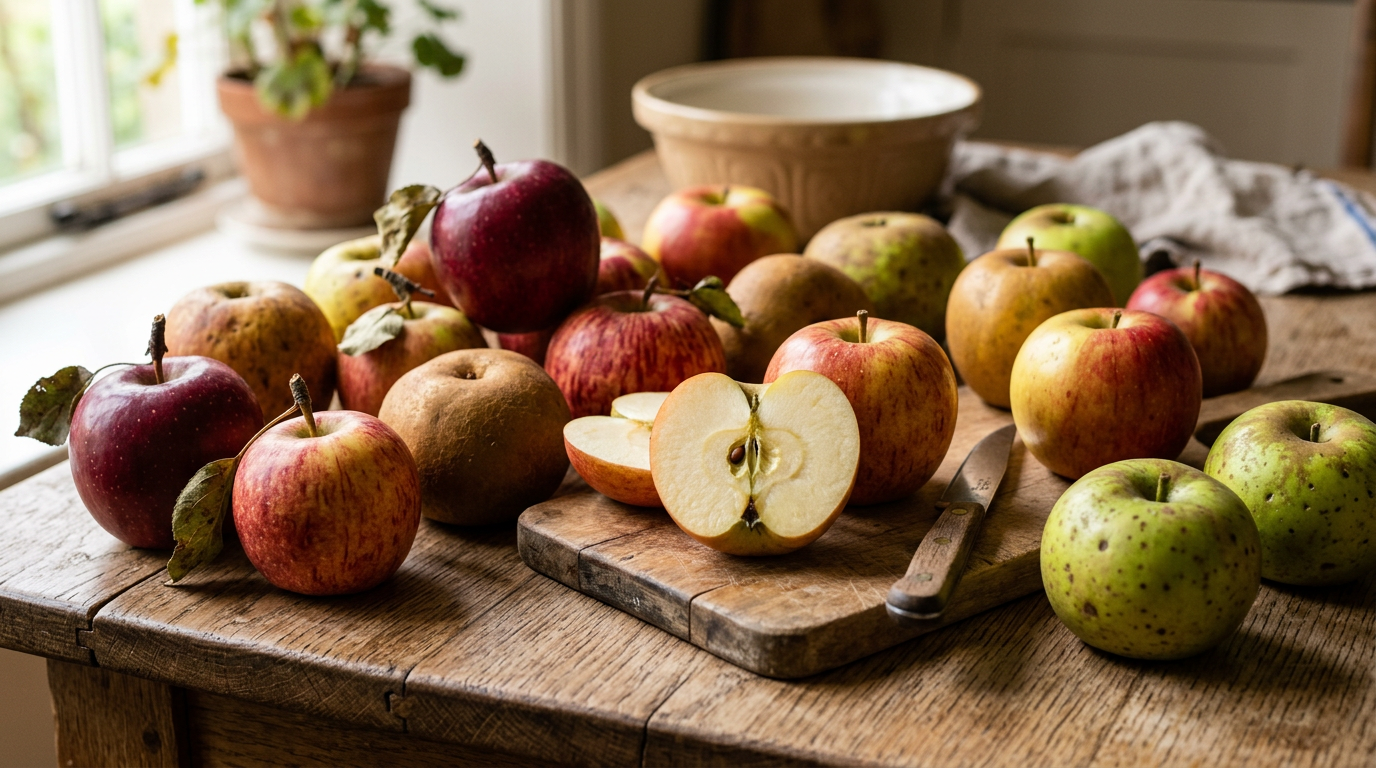
Because quercetin concentrates within outer fruit skins, eating unpeeled apples provides maximum senolytic potency.
Engineering the Gut Microbiome with Apple Pectin
While peel quercetin targets cellular senescence, internal apple pectin drives systemic gastrointestinal optimization. Pectin represents a structural, water-soluble polysaccharide that resists gastric digestion completely.
This resistant fiber travels untouched into the colon, serving as a premium prebiotic substrate. Commensal bacterial species, particularly Faecalibacterium prausnitzii, ferment pectin into protective short-chain fatty acids (SCFAs).
Butyrate constitutes the most critical short-chain fatty acid generated through pectin fermentation. Colonic epithelial cells consume butyrate as their primary metabolic fuel source.
Sufficient butyrate production tightens intercellular junctions, preventing gut hyperpermeability or leaky gut syndrome. Preventing endotoxin leakage stops circulating lipopolysaccharides from triggering systemic neuroinflammation and immune exhaustion.
A landmark study in Food & Function confirms that apple pectin selectively enriches beneficial gut microbiota [2]. Sustained prebiotic fermentation systematically lowers circulating inflammatory markers and enhances overall nutrient assimilation.
Metabolic Flexibility and Vascular Protection
Preserving metabolic flexibility remains essential for sustaining cardiovascular health across your lifespan. Metabolic flexibility describes your cells’ capacity to switch seamlessly between burning carbohydrates and fats.
Apple soluble fibers form a viscous, gel-like matrix throughout the upper digestive tract. This gel matrix delays gastric emptying and slows postprandial glucose absorption into the bloodstream.
Blunting postprandial glycemic spikes reduces pancreatic insulin secretion, thereby safeguarding long-term insulin sensitivity. Tracking your glycemic variability alongside routine diagnostic laboratory panels helps identify subclinical insulin resistance early.
Concurrently, apple polyphenols protect delicate vascular architecture from oxidative degradation. Circulating quercetin enhances endothelial nitric oxide production, directly promoting arterial vasodilation.
A clinical trial in the American Journal of Clinical Nutrition demonstrated measurable lipid improvements [3]. Consuming two whole apples daily significantly reduced circulating total cholesterol, LDL particles, and vascular inflammatory biomarkers.
Furthermore, optimizing vascular elasticity mirrors the benefits discovered in REM sleep and heart protection research, shielding blood vessels from stiffening.
Five Strategic Rules for Biohacking Apple Consumption
Maximizing the therapeutic potential of apples requires deliberate, science-backed preparation:
-
Always Retain the Outer Peel: The outer fruit skin contains nearly all quercetin reserves and insoluble fiber. Prioritize organic produce and wash each apple thoroughly to eliminate surface residues.
-
Rotate High-Polyphenol Apple Varieties: Select tart varieties like Granny Smith for lower sugar and higher malic acid. Alternatively, consume darker Red Delicious apples to maximize anthocyanin antioxidant content.
-
Alternate Raw and Cooked Applications: Raw apples preserve heat-sensitive ascorbic acid and active enzymes. However, stewing apples without added sugars unlocks soluble pectin, making it gentler on sensitive digestive systems.
-
Anchor Carbohydrates with Healthy Fats: Combine sliced apples with raw almond butter, walnuts, or aged cheese. Adding healthy fats buffers glucose spikes, ensuring steady mitochondrial energy production.
-
Always Choose Whole Fruit Over Juices: Processed fruit juices discard all prebiotic pectin while flooding circulation with free fructose. Only whole fruit preserves the synergistic fiber matrix that feeds beneficial microbes.
Editorial Note: This article was independently researched and written based on current publicly available health information and does not represent the views of, and is not affiliated with, any external publication referenced.
References
-
Li, Y., et al. (2016). Quercetin, Inflammation and Immunity. Nutrients, 8(3), Article 167. https://doi.org/10.3390/nu8030167
-
Jiang, T., et al. (2018). Apple pectin modulates gut microbiota and attenuates metabolic endotoxemia in rats. Food & Function, 9(7), 3956–3965. https://doi.org/10.1039/C7FO01746F
-
Koutsos, A., et al. (2020). Two apples a day lower serum cholesterol and improve biomarkers of vascular health in mildly hypercholesterolemic adults. The American Journal of Clinical Nutrition, 111(2), 307–318. https://doi.org/10.1093/ajcn/nqz282