The Glycation Trap: How Hidden Sugars in ‘Healthy’ Foods Secretly Accelerate Aging
Introduction
Many people who avoid soda, candy, and desserts still consume more sugar than they realize. Flavored yogurt, granola, protein bars, pasta sauce, salad dressing, and even kombucha can contain added sugars that quietly affect blood-sugar control, inflammation, and long-term health.[who][heart]
This does not mean that every food containing sugar is harmful or that sugar alone “causes aging.” Aging is influenced by genetics, sleep, activity, stress, smoking, overall diet quality, and medical conditions. However, regularly eating excess added sugar is a modifiable habit that may work against your longevity goals.[who][who]
Key Takeaways
- Hidden sugars are common in foods marketed as “healthy,” including flavored yogurt, granola, sauces, dressings, protein bars, dried fruit, and sweetened plant-based drinks.[heart][nutritionsource.hsph.harvard]
- Excess added sugar can contribute to higher blood glucose, weight gain, dental problems, and increased risk of chronic disease when it becomes a regular pattern.[who][who]
- Advanced glycation end products (AGEs) form when sugars react with proteins or fats; they may increase oxidative stress and inflammation, and are associated with aging-related conditions.[pmc.ncbi.nlm.nih][pmc.ncbi.nlm.nih][pubmed.ncbi.nlm.nih]
- The WHO recommends keeping free sugars below 10% of daily calories, with further benefit possible below 5%; for a 2,000-calorie diet, that is under 50 g per day, ideally closer to 25 g.[who][who]
- The American Heart Association suggests no more than 25 g of added sugar daily for most women and 36 g for most men.[heart][heart]
- Read the Added Sugars line on labels, choose unsweetened versions, pair carbohydrates with protein, fiber, and healthy fats, and make whole foods the foundation of your diet.[heart][pmc.ncbi.nlm.nih]
What Is Glycation?
Glycation is a natural chemical process in which sugars bind to proteins, fats, or DNA without the help of enzymes. Over time, this can create compounds called advanced glycation end products, or AGEs.[pmc.ncbi.nlm.nih][pubmed.ncbi.nlm.nih]
AGEs can form inside the body, especially when blood sugar remains high over time. They can also come from the diet, particularly from foods processed with high heat, such as fried foods, grilled meats, and highly processed products.[pmc.ncbi.nlm.nih][pmc.ncbi.nlm.nih][pubmed.ncbi.nlm.nih]
A useful way to picture AGEs is as “molecular stiffness.” When they accumulate, they may make tissues less flexible and contribute to oxidative stress and inflammation. Research links AGE accumulation with aging and conditions such as diabetes, cardiovascular disease, and neurodegenerative disease, though it does not prove that sugar alone causes these diseases.[pmc.ncbi.nlm.nih][pmc.ncbi.nlm.nih][pubmed.ncbi.nlm.nih]
How Excess Sugar May Affect Aging
Blood sugar and insulin
When you eat carbohydrate-rich foods, your blood glucose rises. This is normal. The concern is frequent, large spikes—especially from sugary drinks, refined snacks, and foods with little fiber, protein, or fat—because they can make blood-sugar management harder over time.[who][who]
Consistently high sugar intake is also linked with excess calorie intake and weight gain, which are risk factors for insulin resistance and type 2 diabetes.[who][who]
Inflammation
“Inflammaging” is a term for the low-grade, chronic inflammation that often increases with age. Diet is one factor that can influence inflammation, but it is not the only one; sleep, physical activity, infections, stress, smoking, and body composition also matter.[pmc.ncbi.nlm.nih][pmc.ncbi.nlm.nih]
Diets high in ultra-processed foods and added sugars may increase inflammatory markers in some people. A more balanced eating pattern—rich in vegetables, fruits, legumes, whole grains, fish, and unsweetened dairy or plant foods—has been associated with lower dietary AGE intake and better markers of oxidative stress and inflammation.[pmc.ncbi.nlm.nih]
Mitochondria and energy
Mitochondria are the parts of cells that help produce energy. High blood sugar and oxidative stress can place extra demand on cells, but claims that sugar “destroys mitochondria” are too strong. The evidence supports a more balanced view: chronic high glucose exposure, inflammation, and oxidative stress may impair cellular function over time, especially in people with insulin resistance or diabetes.[pmc.ncbi.nlm.nih][pubmed.ncbi.nlm.nih]
Hidden Sugars in “Healthy” Foods
Flavored yogurt and kefir
Plain yogurt can be a good source of protein, calcium, and probiotics. But flavored versions often contain added sugar, sometimes turning a nutritious food into something closer to a dessert.[heart][nutritionsource.hsph.harvard]
Better choice: Buy plain Greek yogurt or unsweetened kefir, then add berries, cinnamon, chia seeds, or a small amount of fruit.
Granola and “healthy” cereals
Granola may contain oats, nuts, and seeds, but many brands use honey, syrup, cane sugar, or dried fruit to bind and sweeten it. The serving size is often small, making it easy to eat several servings without noticing.[heart][nutritionsource.hsph.harvard]
Better choice: Make a simple mix of plain oats, nuts, seeds, and unsweetened coconut. Add fresh fruit for sweetness.
Flavored instant oatmeal
Plain oats can be a useful high-fiber breakfast. Flavored packets, however, may contain added sugar and flavorings that reduce their nutritional value.[heart][nutritionsource.hsph.harvard]
Better choice: Use plain rolled oats or steel-cut oats and add cinnamon, nuts, seeds, and berries.
Pasta sauce, tomato soup, and marinades
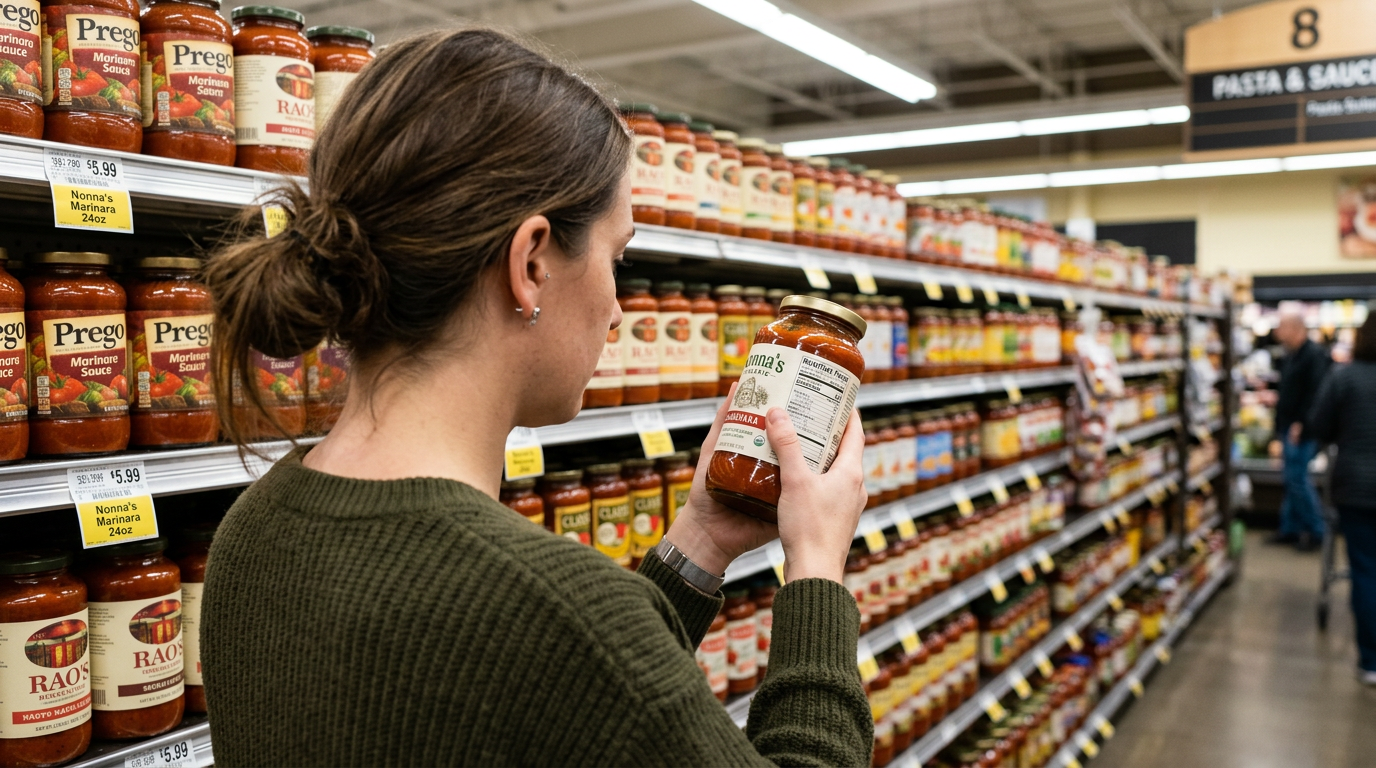
Tomato-based products can contain surprising amounts of added sugar because sugar balances acidity and improves flavor. The same applies to barbecue sauce, ketchup, teriyaki sauce, and many bottled marinades.[heart][nutritionsource.hsph.harvard]
Better choice: Check labels for “no added sugar” versions, or make sauce at home using tomatoes, garlic, olive oil, herbs, and spices.
Salad dressings
A salad is not automatically low in sugar if the dressing is sweet. “Light,” “fat-free,” and flavored dressings may use sugar or syrups to replace flavor lost when fat is removed.[heart][nutritionsource.hsph.harvard]
Better choice: Use olive oil, vinegar or lemon juice, mustard, herbs, and spices.
Protein and granola bars
Some bars are useful for travel or workouts, but many are high in sugar and low in fiber. A simple rule: if sugar appears near the top of the ingredient list, or if the sugar content is close to the protein content, treat it more like a snack than a health food.[heart][nutritionsource.hsph.harvard]
Better choice: Choose bars with recognizable ingredients, at least 5–10 g of protein, meaningful fiber, and little or no added sugar.
Dried fruit
Whole fruit contains water, fiber, and nutrients. Drying removes water and concentrates the natural sugars, making it easier to eat a large amount quickly.[who][nutritionsource.hsph.harvard]
Better choice: Choose fresh or frozen fruit most often. If using dried fruit, keep the portion small and pair it with nuts or yogurt.
Sweetened plant-based milks and oat milk
Unsweetened almond, soy, or coconut milk can fit into a balanced diet. Flavored versions and some barista-style oat milks may include added sugar or syrups.[heart][nutritionsource.hsph.harvard]
Better choice: Look specifically for “unsweetened” on the label and check the Added Sugars line.
Kombucha
Kombucha is fermented tea, but many commercial bottles are sweetened after fermentation. Sugar content can vary widely by brand, so the label matters more than the health claims on the bottle.[heart][nutritionsource.hsph.harvard]
Better choice: Choose lower-sugar options, drink smaller portions, or make unsweetened tea, water, or sparkling water your default drinks.
How Much Sugar Is Too Much?
The WHO recommends limiting free sugars to less than 10% of total daily energy intake. For someone eating 2,000 calories per day, that equals less than 50 g daily. The WHO also notes that reducing intake to below 5%—about 25 g daily—may provide additional health benefits.[who][who]
Free sugars include sugar added by manufacturers, cooks, or consumers, as well as sugars naturally present in honey, syrups, fruit juices, and fruit-juice concentrates.[who]
The American Heart Association uses a stricter added-sugar target: no more than 25 g per day for most women and 36 g per day for most men.[heart][heart]
How to Read Labels Like a Pro
Check “Added Sugars,” not just “Total Sugars”
Total sugars include natural sugars found in milk, plain yogurt, and whole fruit. Added sugars are the ones introduced during processing or preparation. The Added Sugars line is usually the most useful number for comparing packaged foods.[heart][nutritionsource.hsph.harvard]
Learn sugar’s other names
Sugar may appear as:
- Cane sugar, cane juice, or evaporated cane juice
- High-fructose corn syrup
- Dextrose, glucose, fructose, sucrose, maltose, or lactose
- Honey, maple syrup, agave, rice syrup, or barley malt
- Fruit-juice concentrate
- Maltodextrin
A long ingredient list with several sweeteners is usually a sign to choose a simpler option.[who][nutritionsource.hsph.harvard]
Use the ingredient order
Ingredients are generally listed by weight. If a sugar, syrup, or juice concentrate appears among the first few ingredients, the product is likely high in added sugar.[heart][nutritionsource.hsph.harvard]
Simple Ways to Lower Your Glycation Risk
- Make unsweetened the default. Choose plain yogurt, unsweetened plant milk, plain oats, and no-added-sugar sauces.
- Pair carbohydrates wisely. Combine fruit, grains, or potatoes with protein, fiber, and healthy fats—for example, apple with almonds, or potatoes with olive oil, vegetables, and fish. This can slow digestion and make meals more satisfying.[pmc.ncbi.nlm.nih]
- Reduce sugary drinks first. Beverages provide sugar quickly and do not usually keep you full. Water, unsweetened tea, and plain coffee are simple replacements.[who][who]
- Cook more often at home. Home cooking gives you control over sugar, oils, sauces, and portion sizes. Research suggests that reducing highly processed foods and emphasizing vegetables, fruits, legumes, fish, whole grains, and low-fat dairy can lower dietary AGE intake.[pmc.ncbi.nlm.nih]
- Change cooking methods. High-heat processing can increase dietary AGEs. Using lower-temperature methods such as steaming, stewing, boiling, or slow cooking may reduce dietary AGE exposure compared with frequent frying, charring, or prolonged high-heat cooking.[pmc.ncbi.nlm.nih][pmc.ncbi.nlm.nih]
- Do not rely on sweeteners as the main solution. The WHO advises against using non-sugar sweeteners for weight control and recommends reducing overall dietary sweetness over time.[who]
When to Speak With a Doctor
Everyone’s health needs are different. Symptoms such as frequent thirst, unexplained fatigue, blurred vision, frequent urination, slow wound healing, dizziness, or unintended weight changes should be discussed with a qualified healthcare professional rather than self-diagnosed through diet trends or wearable devices.
A doctor or registered dietitian can help assess your personal risk factors, medications, family history, and lab results. They may consider tests such as HbA1c, fasting glucose, lipid profile, blood pressure, and inflammation markers when appropriate. Do not start, stop, or change medication based on an article or a continuous glucose monitor reading alone.
Editorial Note
This article is for general educational purposes only and is not medical advice. It does not diagnose, treat, or replace consultation with a qualified healthcare professional. Individual nutrition needs vary based on age, activity level, medical history, medications, pregnancy status, and health goals. The article was independently researched and written using publicly available health information; it is not affiliated with, and does not represent the views of, any external publication or organization referenced.
References
- Uribarri, J., et al. (2010). Dietary Advanced Glycation End Products and Aging. Nutrients/PMC. https://pmc.ncbi.nlm.nih.gov/articles/PMC3257625/[pmc.ncbi.nlm.nih]
- World Health Organization. (2015). Guideline: Sugars intake for adults and children. https://www.who.int/publications/i/item/9789241549028[who]
- Uribarri, J., et al. (2010). Advanced Glycation End Products in Foods and a Practical Guide to Reducing Their Intake. Journal of the American Dietetic Association/PMC. https://pmc.ncbi.nlm.nih.gov/articles/PMC3704564/[pmc.ncbi.nlm.nih]
- World Health Organization. (2023). WHO advises not to use non-sugar sweeteners for weight control. https://www.who.int/news/item/15-05-2023-who-advises-not-to-use-non-sugar-sweeteners-for-weight-control-in-newly-released-guideline[who]
- World Health Organization. Healthy diet: Sugars. https://www.who.int/news-room/fact-sheets/detail/healthy-diet[who]
- World Health Organization. (2023). Reducing free sugars intake in adults to reduce the risk of noncommunicable diseases. https://www.who.int/tools/elena/interventions/free-sugars-adults-ncds[who]
- Vos, M. B., et al. (2016). Added Sugars and Cardiovascular Disease Risk in Children. Circulation. https://www.ahajournals.org/doi/10.1161/cir.0000000000000439[ahajournals]
- Rabbani, N., & Thornalley, P. J. (2025). Dietary advanced glycation end products (AGEs): A modifiable risk factor. https://pubmed.ncbi.nlm.nih.gov/40473013/[pubmed.ncbi.nlm.nih]
- American Heart Association. Added Sugars. https://www.heart.org/en/healthy-living/healthy-eating/eat-smart/sugar/added-sugars[heart]
- American Heart Association. How Much Sugar Is Too Much? https://www.heart.org/en/healthy-living/healthy-eating/eat-smart/sugar/how-much-sugar-is-too-much[heart]
- Harvard T.H. Chan School of Public Health. Added Sugar. https://nutritionsource.hsph.harvard.edu/carbohydrates/added-sugar-in-the-diet/[nutritionsource.hsph.harvard]