Boost Your Circulation: A Lifelong Guide to Healthy Veins
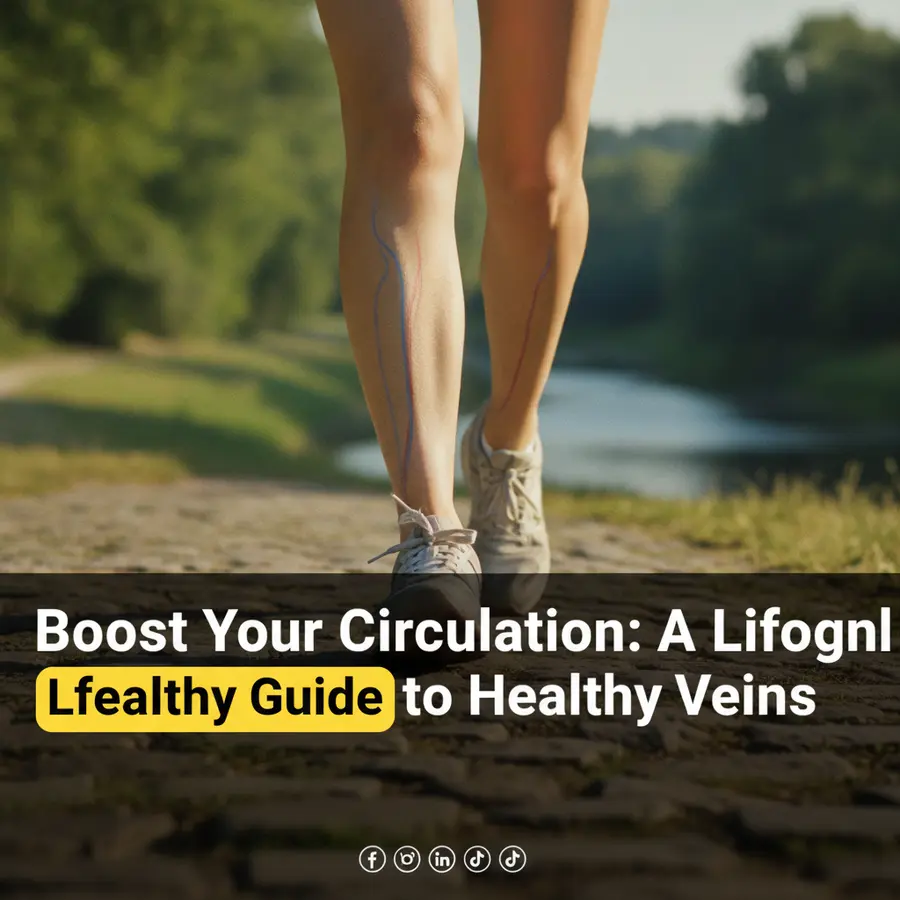
Boost Your Circulation: A Lifelong Guide to Healthy Veins
Not so long ago, the idea of our body’s overall health being dictated by a silent, intricate network of internal pathways might have seemed abstract to the general public. For decades, both medical discussions and popular health media focused heavily on the big players—the heart, the brain, and the lungs. However, modern vascular medicine has illuminated a crucial reality: your cardiovascular health is only as strong as the vessels that carry your blood. While arteries often steal the spotlight for their role in delivering oxygen-rich blood from the heart, your veins perform the equally vital, gravity-defying task of returning that blood back to the heart and lungs for reoxygenation [1].
Understanding how to improve blood flow to the legs and maintain vascular elasticity is no longer just a concern for the elderly; it is a lifelong pursuit. Poor circulation and venous insufficiency can affect anyone, driven by genetics, modern sedentary lifestyles, and dietary habits. This comprehensive guide explores the physiology of your venous system, the early signs of poor circulation in legs and feet, and evidence-based strategies to naturally boost your vascular health for a lifetime.
Understanding Your Vascular System: The Uphill Battle
The human circulatory system is an engineering marvel, comprising over 60,000 miles of blood vessels [2]. To appreciate how to care for your veins, it is essential to understand the unique physiological challenges they face every single day.
Arteries vs. Veins: A Crucial Distinction
Arteries have thick, muscular walls designed to handle the high pressure of blood being forcefully pumped out of the heart. Veins, by contrast, have thinner walls and operate under much lower pressure. Because the veins in your lower extremities must push blood upward against the relentless force of gravity, they rely on two primary mechanisms to succeed:
- The Calf Muscle Pump: Often referred to by vascular specialists as the “second heart,” the calf muscles contract during movement (like walking), squeezing the deep veins and forcing blood upward [3].
- One-Way Venous Valves: Inside your veins are tiny, delicate, one-way valves. As the calf muscle pushes blood up, these valves open. When the muscle relaxes, the valves snap shut to prevent blood from flowing backward [4].
The Mechanics of Venous Insufficiency
When these delicate valves become damaged or weakened—due to age, genetics, pregnancy, or prolonged standing—they fail to close properly. This allows blood to leak backward and pool in the lower legs, a condition known as venous reflux or Chronic Venous Insufficiency (CVI) [5]. Over time, the increased pressure in the veins (venous hypertension) causes the vein walls to stretch, leading to visible varicose veins, swelling, and a host of uncomfortable symptoms.
Recognizing the Early Signs of Poor Circulation in Legs and Feet
Vascular degradation often happens slowly. Many individuals dismiss the early warning signs of poor circulation as normal fatigue or aging. However, recognizing these symptoms early is critical for preventing more severe complications, such as deep vein thrombosis (DVT) or venous stasis ulcers [6].
Common signs that your venous circulation may need attention include:
- Heavy, Aching Legs: A profound sense of heaviness or fatigue in the lower legs, particularly at the end of the day or after prolonged periods of standing.
- Edema (Swelling): Noticeable swelling in the ankles, feet, or lower calves that typically resolves overnight when the legs are elevated but returns by the evening.
- Visible Vein Changes: The appearance of spider veins (telangiectasia) or bulging, twisted, rope-like varicose veins just beneath the surface of the skin [7].
- Muscle Cramping and Restless Legs: Experiencing sudden charley horses or an irresistible urge to move your legs at night, which can severely disrupt sleep architecture.
- Skin Discoloration and Texture Changes: In advanced stages of venous insufficiency, the skin around the ankles may become thickened, leathery, and take on a reddish-brown hue (hemosiderin staining) due to red blood cells leaking into the surrounding tissue [8].
- Cold Extremities: While often a sign of arterial issues, a general lack of efficient blood exchange can leave the feet and toes feeling chronically cold.
Top Dietary Choices to Improve Blood Flow Naturally
What you put on your plate has a direct, measurable impact on the structural integrity of your blood vessels and the viscosity of your blood. A diet optimized for vascular health focuses on reducing inflammation, supporting endothelial function, and promoting collagen production to keep vein walls strong and elastic [9].
Flavonoid-Rich Foods
Flavonoids are powerful plant compounds that have been clinically shown to improve blood circulation, reduce vascular inflammation, and strengthen blood vessel walls [10]. Incorporating these into your daily routine is one of the best ways to support vein health naturally.
- Citrus Fruits: Oranges, grapefruits, and lemons are rich in hesperidin and diosmin, two specific flavonoids frequently used in clinical phlebology to treat venous insufficiency [11].
- Berries: Blueberries, blackberries, and raspberries contain anthocyanins, which help repair damaged proteins in the blood vessel walls and promote overall vascular health.
- Buckwheat and Apples: These are excellent sources of rutin, a flavonoid renowned for its ability to reduce capillary fragility and prevent the formation of varicose veins.
Nitric Oxide Boosters
Nitric oxide is a crucial molecule produced by the endothelium (the inner lining of your blood vessels). It signals the smooth muscles around your vessels to relax, thereby dilating the vessels and improving blood flow. Beets and leafy greens (like spinach, arugula, and kale) are packed with dietary nitrates, which your body converts into nitric oxide [12].
Omega-3 Fatty Acids
Chronic inflammation is an enemy of the vascular system. Omega-3 fatty acids, found abundantly in fatty fish (salmon, mackerel, sardines), walnuts, and chia seeds, possess potent anti-inflammatory properties. Furthermore, omega-3s help prevent blood platelets from clumping together, reducing the risk of dangerous blood clots [13].
Vitamin C and Collagen
Vein walls require collagen and elastin to remain flexible and resilient. Vitamin C is a mandatory cofactor in the body’s synthesis of collagen. Ensuring an adequate intake of bell peppers, broccoli, strawberries, and tomatoes helps maintain the structural integrity of your veins, preventing them from stretching and pooling blood.
Best Exercises for Healthy Veins and Circulation
Because the venous system in the lower body relies so heavily on the calf muscle pump, a sedentary lifestyle is one of the greatest risk factors for poor circulation. Incorporating specific exercises to improve leg circulation can dramatically enhance venous return and reduce symptoms of heavy, aching legs.
Walking: The Gold Standard
Walking is arguably the most effective, accessible exercise for vein health. Every step you take forces the calf muscles to contract and relax, efficiently pumping blood back toward the heart. Vascular specialists generally recommend a brisk 30-minute walk at least five days a week to maintain optimal venous tone [14].
Cycling and Swimming
For those with joint issues, low-impact exercises like cycling and swimming are phenomenal alternatives. Swimming is particularly beneficial for vein health; not only does the kicking motion engage the calf muscles, but the hydrostatic pressure of the water physically compresses the legs, assisting the veins in pushing blood upward against gravity.
Targeted At-Home Exercises
If you are stuck at a desk all day, you can still activate your calf muscle pump with simple, targeted movements:
- Calf Raises: Stand up straight and lift yourself onto your tiptoes, hold for a second, and lower back down. Repeat this 15-20 times to actively pump blood out of the lower legs.
- Ankle Rotations: While seated, lift your feet off the floor and rotate your ankles in clockwise, then counterclockwise circles.
- Leg Elevations: Lie on your back and elevate your legs above the level of your heart (using pillows or resting them against a wall) for 15 minutes at the end of the day. This allows gravity to work for your veins rather than against them, rapidly draining pooled blood and reducing edema [15].
Everyday Habits for Lifelong Vascular Health
Beyond diet and exercise, several daily lifestyle modifications can significantly influence your circulatory health. Small, consistent changes often yield the most profound long-term results.
Embrace Compression Therapy
Graduated compression stockings are a cornerstone of conservative vein management. Unlike regular socks, these garments are tightest at the ankle and gradually decrease in pressure as they go up the leg. This specific pressure gradient prevents blood from pooling, reduces swelling, and supports the internal venous valves. If you have a job that requires prolonged standing (like nursing, teaching, or retail) or prolonged sitting (like office work or frequent flying), wearing mild to moderate compression socks can be a game-changer for your leg health.
Optimize Your Ergonomics
The human body was not designed to sit in a chair for eight hours a day. Prolonged sitting causes blood to stagnate in the pelvis and legs. If you work at a desk, consider investing in a standing desk converter, and alternate between sitting and standing. Set a timer to remind yourself to stand up, stretch, and walk around for two minutes every hour.
Stay Hydrated
Hydration plays a frequently overlooked role in circulation. When you are dehydrated, your blood volume decreases, and your blood becomes thicker (more viscous). Thicker blood is harder for your body to pump and is more prone to clotting. Aim for at least eight glasses of water a day, adjusting for climate and physical activity levels, to keep your blood flowing smoothly.
Manage Weight and Avoid Restrictive Clothing
Excess body weight places additional mechanical pressure on the veins in the pelvis and legs, accelerating the degradation of venous valves. Maintaining a healthy body mass index (BMI) is crucial for lifelong vascular health. Additionally, avoid wearing overly tight clothing around the waist, groin, or upper thighs (such as tight belts or restrictive shapewear), as this can act like a tourniquet, impeding the return of blood from the legs to the heart.
When to Seek Professional Vascular Care
While lifestyle modifications, diet, and exercise are highly effective for maintaining healthy veins and managing mild symptoms, they cannot repair venous valves that are already permanently damaged. If you are experiencing persistent pain, significant swelling, skin changes, or if varicose veins are impacting your quality of life, it is time to consult a board-certified vascular surgeon or phlebologist.
Modern vascular medicine has evolved tremendously. The days of painful, invasive “vein stripping” surgeries requiring general anesthesia and long recovery times are largely in the past. Today, vascular specialists utilize state-of-the-art duplex ultrasound imaging to map the venous system and identify the exact source of reflux.
If medical intervention is necessary, treatments are typically minimally invasive, performed in-office under local anesthesia, and allow patients to return to normal activities almost immediately. Common procedures include:
- Endovenous Laser Ablation (EVLA) or Radiofrequency Ablation (RFA): Using thermal energy delivered via a tiny catheter to seal shut the diseased vein, allowing the body to naturally reroute blood to healthier veins.
- Sclerotherapy: The injection of a specialized medical solution into spider veins or small varicose veins, causing them to collapse and fade over time.
- Medical Adhesive (VenaSeal): A newer technique that uses a proprietary medical glue to permanently close the diseased vein.
Conclusion
Your vascular system is the vital highway that sustains every organ, tissue, and cell in your body. By shifting our focus to include the health of our veins, we take a comprehensive approach to lifelong wellness. Boosting your circulation does not require overnight miracles; it requires a commitment to daily movement, a nutrient-dense diet rich in vascular-supporting compounds, and mindful habits that protect your veins from the relentless pull of gravity. Listen to your body, recognize the early signs of poor circulation, and take proactive steps today to ensure your veins carry you comfortably through all the years to come.
Medical Disclaimer
The information provided in this article is for educational and informational purposes only and does not constitute medical advice. It is not intended to be a substitute for professional medical diagnosis, treatment, or advice. Always seek the guidance of a qualified healthcare provider or board-certified vascular specialist with any questions you may have regarding a medical condition, circulation issues, or before beginning any new diet, exercise, or treatment program.
References
- [1] National Institutes of Health (NIH). (2020). How the Heart and Blood Vessels Work. National Heart, Lung, and Blood Institute.
- [2] American Heart Association (AHA). (2021). Understanding Your Vascular System and Blood Vessels.
- [3] Meissner, M. H., et al. (2007). Primary chronic venous disorders. Journal of Vascular Surgery, 46(6), 54S-67S.
- [4] Eberhardt, R. T., & Raffetto, J. D. (2014). Chronic venous insufficiency. Circulation, 130(4), 333-346.
- [5] Beebe-Dimmer, J. L., et al. (2005). The epidemiology of chronic venous insufficiency and varicose veins. Annals of Epidemiology, 15(3), 175-184.
- [6] Nicolaides, A. N. (2000). Investigation of chronic venous insufficiency: A consensus statement. Circulation, 102(20), E126-E163.
- [7] Weiss, R. A. (2014). Varicose veins and spider veins. Medscape Reference.
- [8] Raju, S., & Neglen, P. (2009). Clinical practice. Chronic venous insufficiency and varicose veins. The New England Journal of Medicine, 360(22), 2319-2327.
- [9] Cassidy, A., et al. (2012). Habitual intake of flavonoid subclasses and incident hypertension in adults. The American Journal of Clinical Nutrition, 95(2), 336-343.
- [10] MacKay, D. (2001). Hemorrhoids and varicose veins: a review of treatment options. Alternative Medicine Review, 6(2), 126-140.
- [11] Rabe, E., et al. (2013). Efficacy and tolerability of a red-vine-leaf extract in patients suffering from chronic venous insufficiency. Arzneimittelforschung, 53(02), 94-102.
- [12] Kapil, V., et al. (2015). Dietary nitrate provides sustained blood pressure lowering in hypertensive patients. Hypertension, 65(2), 320-327.
- [13] Mozaffarian, D., & Wu, J. H. (2011). Omega-3 fatty acids and cardiovascular disease. Journal of the American College of Cardiology, 58(20), 2047-2067.
- [14] Padberg, F. T., et al. (2004). Hemodynamic and clinical improvement after superficial vein ablation in primary chronic venous insufficiency. Journal of Vascular Surgery, 39(1), 131-135.
- [15] O’Meara, S., et al. (2012). Compression for venous leg ulcers. Cochrane Database of Systematic Reviews, (11).