The Biohacker’s Guide to Living a Longer, Healthier Life
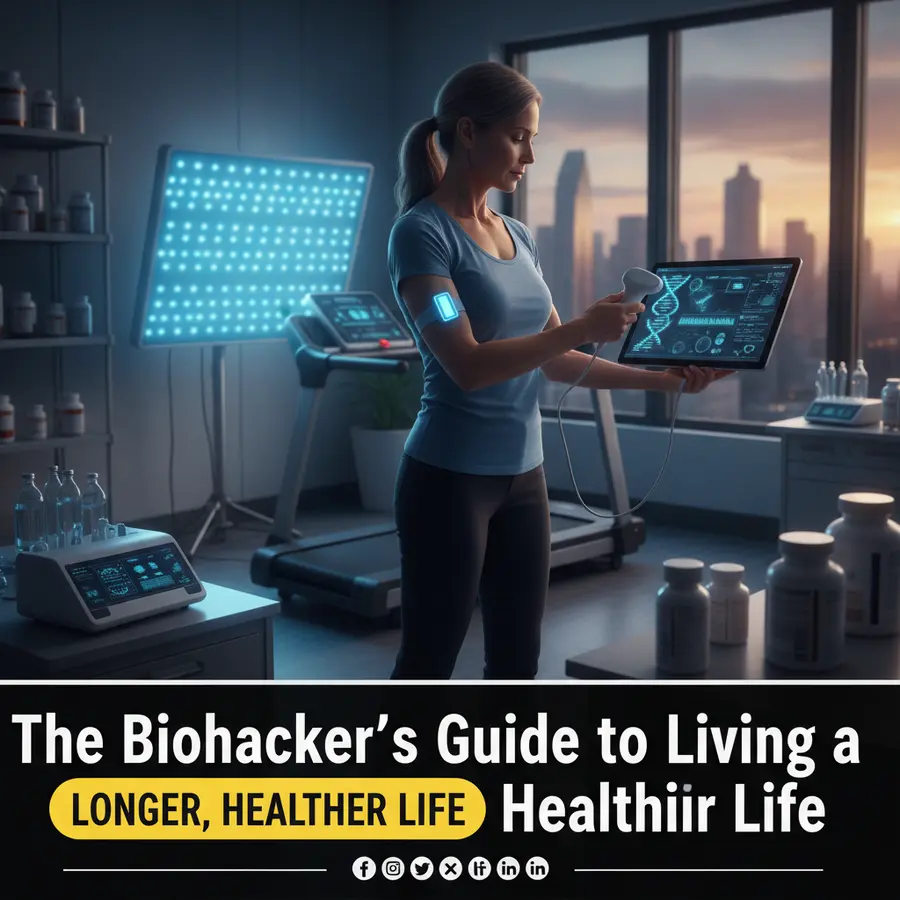
The Biohacker’s Guide to Living a Longer, Healthier Life
Category: Biohacking & Longevity
For centuries, humanity has been fascinated with the idea of extending life. Today, that fascination has evolved from a quest for a mythical fountain of youth into a data-driven, scientific pursuit known as biohacking. Biohacking for longevity is not about reckless experimentation; it is a systematic, evidence-based approach to optimizing human biology. By leveraging modern technology, nutritional science, and lifestyle modifications, individuals are taking control of their biology to not only add years to their lives but, more importantly, add life to their years.
The core philosophy of data-driven health optimization relies on the understanding that aging is not merely an inevitable decay, but a malleable process. In 2013, researchers identified the “Hallmarks of Aging,” which include genomic instability, cellular senescence, and mitochondrial dysfunction [1]. By targeting these underlying mechanisms, biohackers aim to slow the biological aging clock. This comprehensive guide explores the scientifically backed strategies you can use to optimize your healthspan, improve your daily performance, and build a foundation for long-term vitality.
Understanding the Longevity Equation: Lifespan vs. Healthspan
Before diving into specific protocols, it is crucial to understand the difference between lifespan and healthspan. Lifespan refers strictly to the chronological number of years a person is alive. Healthspan, however, is the period of life spent in good health, free from chronic diseases and disabilities of aging [2].
Modern medicine has been incredibly successful at extending lifespan through interventions that manage acute illnesses and chronic diseases. However, this often results in a prolonged period of morbidity at the end of life. The primary goal of biohacking for longevity is to square the mortality curve—meaning you remain highly functional, energetic, and disease-free for as long as possible, minimizing the period of decline before the end of life. To achieve this, biohackers focus on proactive, preventative strategies rather than reactive medical treatments.
Foundational Biohacks: Sleep and Circadian Rhythm Optimization
No amount of advanced supplementation or cutting-edge technology can outpace the benefits of high-quality sleep. Sleep is the ultimate biological reset button and the foundation of any longevity protocol.
The Glymphatic System and Deep Sleep
During deep, slow-wave sleep, the brain activates the glymphatic system. This waste clearance system flushes out neurotoxic waste products, including amyloid-beta plaques, which are heavily implicated in neurodegenerative diseases like Alzheimer’s [3]. To increase healthspan and protect cognitive function, biohackers prioritize deep sleep through strict sleep hygiene.
Circadian Alignment
Our bodies operate on a roughly 24-hour internal clock known as the circadian rhythm, which dictates hormone production, cellular repair, and metabolism. Disruptions to this rhythm are linked to metabolic syndrome, cardiovascular disease, and accelerated aging [4]. To optimize your circadian rhythm, consider the following actionable steps:
- Morning Sunlight Exposure: Viewing natural sunlight within 30 to 60 minutes of waking suppresses melatonin and triggers a healthy cortisol pulse, setting your biological clock for the day.
- Blue Light Mitigation: Artificial blue light from screens mimics daylight, tricking the brain into halting evening melatonin production. Biohackers often use blue-light-blocking glasses 2 to 3 hours before bed.
- Temperature Regulation: The body’s core temperature needs to drop by about 1 to 2 degrees Fahrenheit to initiate and maintain sleep. Keeping the bedroom cool (around 65°F or 18°C) supports this physiological requirement.
Nutritional Biohacking: Fasting, Macros, and Nutrigenomics
Diet is one of the most powerful levers we can pull to influence our biological age. However, longevity nutrition is moving away from one-size-fits-all diets toward personalized, timing-based protocols.
Intermittent Fasting for Cellular Repair
Intermittent fasting (IF) and time-restricted eating (TRE) are cornerstones of longevity biohacking. When the body is deprived of nutrients for a certain period, it downregulates the mTOR (mechanistic target of rapamycin) pathway and activates AMPK (AMP-activated protein kinase). This metabolic switch triggers a process called autophagy [5].
Autophagy is essentially cellular housekeeping. The body identifies old, damaged, or senescent cells (often called “zombie cells”) and breaks them down to recycle their components. By incorporating fasting windows—ranging from 12 to 16 hours daily, or occasional prolonged fasts—biohackers stimulate autophagy, reducing inflammation and promoting cellular renewal.
Nutrigenomics: Eating for Your DNA
Nutrigenomics is the study of how our genes interact with the food we eat. By analyzing genetic markers, individuals can tailor their diets to their unique biological blueprints [6]. For example, individuals with the APOE4 gene variant (a known risk factor for Alzheimer’s disease) may need to strictly monitor their intake of saturated fats and prioritize omega-3 fatty acids to mitigate cardiovascular and neurological risks. Personalized nutrition ensures that your diet actively supports your specific genetic predispositions.
Movement and Hormetic Stress
Exercise is arguably the most potent anti-aging “drug” currently available. However, optimizing exercise for longevity requires a strategic balance of cardiovascular training, resistance training, and environmental stressors.
Zone 2 Cardio and VO2 Max
Cardiorespiratory fitness is one of the strongest independent predictors of all-cause mortality [7]. Biohackers focus heavily on two specific metrics: Zone 2 training and VO2 max.
- Zone 2 Training: This is steady-state cardiovascular exercise performed at an intensity where you can still hold a conversation. Training in Zone 2 stimulates mitochondrial biogenesis—the creation of new, efficient energy powerhouses in your cells—and improves metabolic flexibility [8].
- VO2 Max: This measures the maximum amount of oxygen your body can utilize during intense exercise. High-intensity interval training (HIIT) is typically used to push the cardiovascular system and elevate VO2 max, providing a massive buffer against age-related physical decline.
Hormesis: Heat and Cold Exposure
Hormesis is a biological phenomenon where a mild, acute stressor provokes a beneficial adaptive response in the body. “What doesn’t kill you makes you biologically younger” is the guiding principle here.
Heat Exposure: Regular sauna use has been extensively studied for its longevity benefits. Research conducted in Finland demonstrates that frequent sauna bathing (4-7 times per week) is associated with a significantly reduced risk of fatal cardiovascular events and all-cause mortality [9]. Heat stress activates heat shock proteins (HSPs), which help repair misfolded proteins in the body.
Cold Exposure: Cold water immersion or ice baths stimulate the production of brown adipose tissue (BAT), which burns calories to generate heat, thereby improving insulin sensitivity and metabolic health [10]. Cold exposure also triggers a massive release of norepinephrine, enhancing focus, mood, and resilience to stress.
Data-Driven Health: Wearables and Biomarker Tracking
You cannot manage what you do not measure. The hallmark of a true biohacker is the reliance on objective data rather than subjective feeling. Wearable health trackers for longevity have revolutionized how we monitor our biological baselines.
Optimizing Heart Rate Variability (HRV)
Heart Rate Variability (HRV) is the variation in time between consecutive heartbeats. It is a non-invasive proxy for the autonomic nervous system’s balance between the sympathetic (fight or flight) and parasympathetic (rest and digest) branches. A higher HRV generally indicates a resilient, adaptable nervous system and robust cardiovascular health [11]. By tracking HRV nightly using wearables, biohackers can adjust their training intensity, manage stress, and monitor recovery.
Continuous Glucose Monitors (CGMs)
Historically reserved for diabetics, Continuous Glucose Monitors (CGMs) are now widely used by health enthusiasts. A CGM provides real-time data on how your blood sugar responds to specific foods, stress, and sleep. Chronic blood sugar spikes and hyperinsulinemia are major drivers of systemic inflammation and accelerated aging. Studies show that even in non-diabetic individuals, minimizing glycemic variability is crucial for long-term metabolic health and preventing insulin resistance [12].
Comprehensive Blood Panels
Annual or bi-annual blood testing is essential for longevity biohacking. Standard physicals often only look for active disease, but biohackers look for optimal ranges. Key biomarkers include:
- hs-CRP (High-Sensitivity C-Reactive Protein): A marker of systemic inflammation.
- ApoB (Apolipoprotein B): A highly accurate marker for cardiovascular disease risk.
- HbA1c: A three-month average of blood glucose levels.
- Hormone Panels: Including free and total testosterone, estradiol, DHEA, and thyroid hormones (TSH, Free T3, Free T4).
The Role of Longevity Supplements
While diet, sleep, and exercise form the foundation, longevity supplements and biohacking compounds can provide an additional edge. It is vital to approach supplementation with a critical eye, relying on human clinical data where possible.
NAD+ Boosters (NMN and NR)
Nicotinamide adenine dinucleotide (NAD+) is a critical coenzyme found in every cell of the body, essential for energy production and DNA repair. NAD+ levels naturally decline as we age, which is linked to metabolic dysfunction and age-related diseases [13]. Biohackers often supplement with NAD+ precursors, such as Nicotinamide Mononucleotide (NMN) or Nicotinamide Riboside (NR), to restore youthful cellular energy levels and support the function of sirtuins (longevity genes).
Omega-3 Fatty Acids
The Omega-3 index—a measure of EPA and DHA in red blood cell membranes—is a strong indicator of cardiovascular and brain health. High levels of Omega-3s are associated with reduced inflammation, lower triglycerides, and a decreased risk of cognitive decline [14]. Because the modern Western diet is heavily skewed toward pro-inflammatory Omega-6 fatty acids, high-quality fish oil or algal oil supplementation is a staple in the biohacking community.
Vitamin D3 and K2
Vitamin D functions more like a hormone than a vitamin, regulating hundreds of genes related to immunity, bone health, and mood. Because Vitamin D increases calcium absorption, it must be paired with Vitamin K2, which ensures that the calcium is directed into the bones and teeth rather than calcifying in the arteries.
Conclusion: The Biohacker’s Mindset
Biohacking for longevity is an ongoing, dynamic process. It requires curiosity, discipline, and a willingness to adapt based on personal data. While the science of aging is advancing rapidly, the most effective interventions remain the most foundational: prioritizing restorative sleep, eating a nutrient-dense diet tailored to your biology, engaging in consistent and varied physical movement, and tracking your progress with objective metrics.
By adopting a data-driven health optimization approach, you transition from being a passive passenger in your aging journey to an active architect of your healthspan. Start small, track your data, and consistently apply these evidence-based principles to unlock a longer, healthier, and more vibrant life.
Medical Disclaimer
The content provided in this article is for informational and educational purposes only and is not intended as medical advice. The information discussed, including biohacking protocols, dietary changes, and supplementation, should not be used to diagnose, treat, cure, or prevent any disease. Always consult with a qualified healthcare professional or physician before making any significant changes to your diet, exercise routine, or lifestyle, or before beginning any new supplement regimen. Biohacking interventions are highly individualized, and what works for one person may not be safe or effective for another.
References
- [1] López-Otín, C., Blasco, M. A., Partridge, L., Serrano, M., & Kroemer, G. (2013). The hallmarks of aging. Cell, 153(6), 1194-1217.
- [2] Kaeberlein, M. (2018). How healthy is the healthspan concept?. GeroScience, 40(4), 361-364.
- [3] Nedergaard, M. (2013). Garbage truck of the brain. Science, 340(6140), 1529-1530.
- [4] Panda, S. (2016). Circadian physiology of metabolism. Science, 354(6315), 1008-1015.
- [5] Rubinsztein, D. C., Mariño, G., & Kroemer, G. (2011). Autophagy and aging. Cell, 146(5), 682-695.
- [6] Ordovas, J. M., & Mooser, V. (2004). Nutrigenomics and nutrigenetics. Current Opinion in Lipidology, 15(2), 101-108.
- [7] Mandsager, K., Harb, S., Cremer, P., Phelan, D., Nissen, S. E., & Jaber, W. (2018). Association of cardiorespiratory fitness with long-term mortality among adults undergoing exercise treadmill testing. JAMA Network Open, 1(6), e183605.
- [8] San-Millán, I., & Brooks, G. A. (2018). Assessment of metabolic flexibility by means of measuring blood lactate, fat, and carbohydrate oxidation responses to exercise in professional endurance athletes and less-fit individuals. Sports Medicine, 48(2), 467-479.
- [9] Laukkanen, T., Khan, H., Zaccardi, F., & Laukkanen, J. A. (2015). Association between sauna bathing and fatal cardiovascular and all-cause mortality events. JAMA Internal Medicine, 175(4), 542-548.
- [10] Søberg, S., Löfgren, J., Philipsen, F. E., Jensen, M., Hansen, A. E., Joensen, E., … & Scheele, C. (2021). Altered brown fat thermoregulation and enhanced cold-induced thermogenesis in young, healthy, winter-swimming men. Cell Reports Medicine, 2(10), 100408.
- [11] Shaffer, F., & Ginsberg, J. P. (2017). An overview of heart rate variability metrics and norms. Frontiers in Public Health, 5, 258.
- [12] Hall, H., Perelman, D., Breschi, A., Limcaoco, P., Kellogg, R., McLaughlin, T., & Snyder, M. (2018). Glucotypes reveal new patterns of glucose dysregulation. PLoS Biology, 16(7), e2005143.
- [13] Rajman, L., Chwalek, K., & Sinclair, D. A. (2018). Therapeutic potential of NAD-boosting molecules: the in vivo evidence. Cell Metabolism, 27(3), 529-547.
- [14] Harris, W. S., Tintle, N. L., Etherton, P. M., & Vasan, R. S. (2018). Erythrocyte long-chain omega-3 fatty acid levels are inversely associated with mortality and with incident cardiovascular disease: The Framingham Heart Study. Journal of Clinical Lipidology, 12(3), 718-727.