Rare Genetic Mutations and Longevity: What Research Shows
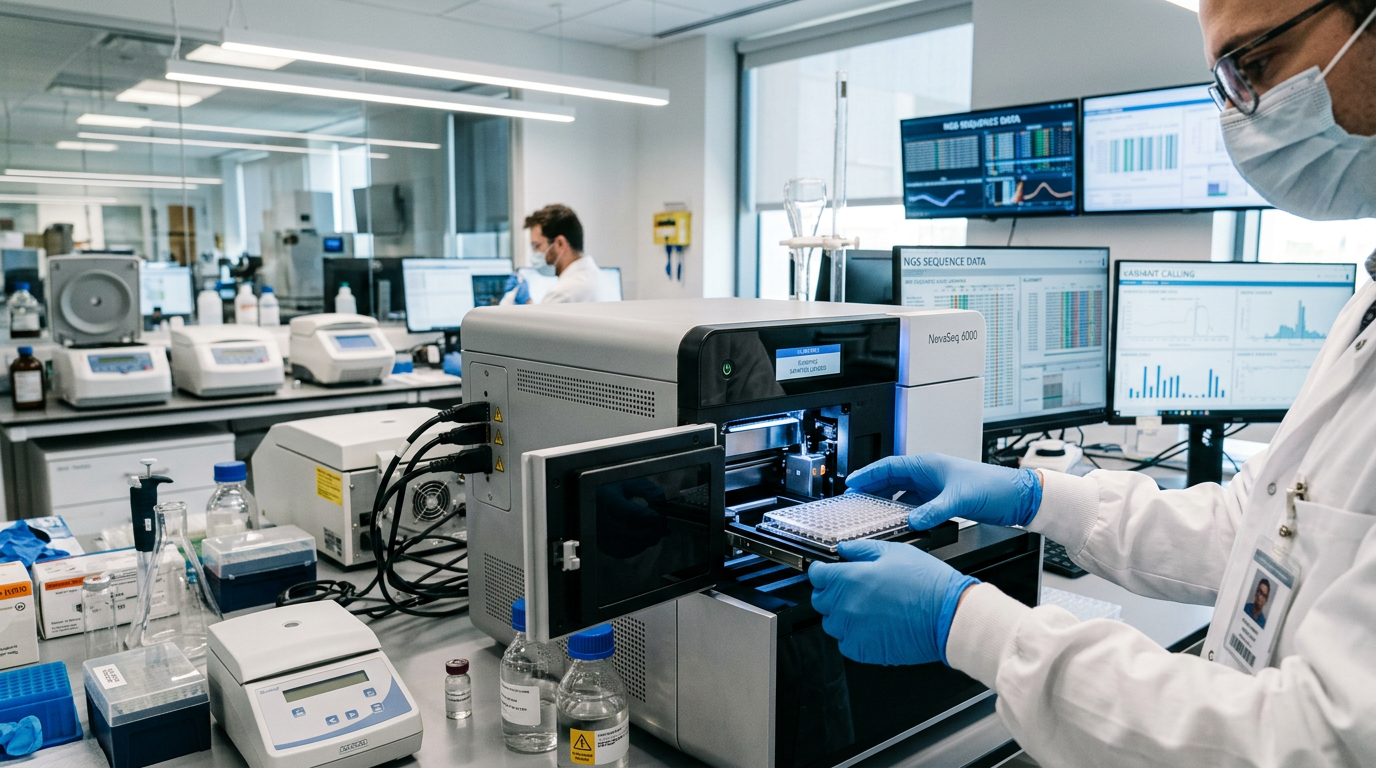
Rare Genetic Mutations and Longevity: What Science Can Teach Us
Rare genetic mutations can help scientists understand why some people have lower disease risk, different muscle growth, or unusual cholesterol levels. These discoveries may guide future medicines and prevention strategies, but they do not mean a person can safely “hack” aging by copying a rare gene through supplements or extreme routines.[latimes][nejm][nejm]
Key Takeaways
- Rare genetic variants can act like natural experiments, helping researchers identify biological pathways involved in cholesterol, growth, muscle mass, cancer risk, and diabetes.[latimes][nejm][nejm]
- PCSK9 loss-of-function variants are linked with lower LDL cholesterol and a lower lifetime risk of coronary heart disease. This discovery helped inspire PCSK9-lowering medicines.[nejm][pubmed.ncbi.nlm.nih]
- People with Laron syndrome have very low growth-hormone signaling and, in one long-term study, had very few cases of cancer and no diagnosed diabetes. However, they did not necessarily live longer overall, and the condition also causes short stature and other health challenges.[latimes][scientificamerican]
- A rare myostatin gene mutation was linked with unusually high muscle mass in one child, but myostatin-targeting treatments for sarcopenia or muscle strength are still experimental.[nejm][link.springer]
- Doctor recommendation: Do not use genetic-test results, supplements, fasting protocols, or “longevity” products to self-treat disease risk. Genetics is only one part of health; family history, blood pressure, cholesterol, blood sugar, sleep, activity, smoking, and existing medical conditions all matter. Discuss any genetic test or supplement with a qualified clinician, especially if you have a chronic condition, take medicines, are pregnant, or have a family history of inherited disease.
What Are Rare Genetic Mutations?
Genes are instructions that help the body grow, repair itself, and function. A genetic mutation is a change in those instructions. Some mutations cause disease, some have no clear effect, and a small number may be protective.
A rare genetic mutation is a variant found in a very small percentage of people. Researchers sometimes study these rare variants because they can reveal how a single biological pathway works.
For example, if one gene strongly affects LDL cholesterol, studying people with rare variants in that gene can help scientists understand how cholesterol is controlled. This can lead to new treatments for many people—not just those with the rare variant.[nejm][pubmed.ncbi.nlm.nih]
Why Scientists Study Genetic Outliers
Most health advice is based on patterns seen across large populations. But rare genetic conditions can show what happens when one pathway is unusually active or inactive.
These “genetic outliers” do not guarantee a longevity formula. They help researchers ask better questions:
- Why does this variant lower cholesterol?
- Does it also lower heart-disease risk?
- Could a medicine safely copy part of that effect?
- What are the trade-offs or side effects?
- Does the benefit apply to everyone, or only to people with a specific genetic background?
This is why rare-genetics research is useful, but it should not be oversimplified into a list of “longevity genes” or miracle biohacks.
PCSK9: A Major Longevity-Related Discovery
One of the best examples is the PCSK9 gene. PCSK9 affects how the liver removes LDL cholesterol, often called “bad” cholesterol, from the blood.
In a major study, researchers found that certain PCSK9 variants lowered LDL cholesterol from birth. People with these variants had a lower risk of coronary heart disease over a 15-year follow-up period.[nejm][pubmed.ncbi.nlm.nih]
In the study, one type of PCSK9 mutation was associated with about a 28% lower LDL level and an 88% lower risk of coronary heart disease in Black participants. Another variant was linked with about a 15% lower LDL level and a 47% lower coronary-heart-disease risk in white participants.[pubmed.ncbi.nlm.nih]
This research supported the development of PCSK9 inhibitors, medicines that help lower LDL cholesterol. These medicines are now used for some people with high cardiovascular risk or familial hypercholesterolemia.[nejm][pubmed.ncbi.nlm.nih]
What this means for everyday health
The lesson is not that everyone needs a PCSK9 mutation. The lesson is that lowering LDL cholesterol early and consistently can reduce long-term heart-disease risk.
For most people, proven methods include:
- Taking prescribed cholesterol medicines when needed
- Eating a heart-healthy diet
- Exercising regularly
- Not smoking
- Managing blood pressure and diabetes
- Following up with a clinician
Laron Syndrome: Growth Signaling and Disease Risk
Laron syndrome is a rare inherited condition in which the body cannot respond properly to growth hormone. It causes short stature and is associated with low levels of IGF-1, a growth-related hormone.
A long-term study of people with Laron syndrome in Ecuador found very low rates of cancer and diabetes. Researchers reported no diabetes diagnoses and only one non-lethal cancer case among 99 people followed for 22 years. By comparison, diabetes was diagnosed in 5% and cancer in 17% of unaffected relatives during the study period.[latimes][scientificamerican][disabled-world]
This does not mean growth hormone is always harmful or that blocking growth signaling is a safe longevity strategy for the general population. People with Laron syndrome have a complex medical condition, and the study also noted that overall lifespan was not clearly increased, partly because of accidents, alcohol-related deaths, and other non-age-related causes.[latimes][scientificamerican]
Important caution
Some wellness marketing misuses Laron research to suggest that growth hormone should be avoided or that extreme calorie restriction can copy its effects. That is not supported. Growth-hormone treatment has legitimate medical uses and should only be prescribed by a specialist.
Myostatin: Muscle Growth and Aging
Myostatin is a protein that limits muscle growth. Rare mutations that reduce myostatin activity can lead to unusually high muscle mass.
In 2004, researchers reported a child with a myostatin gene mutation and marked muscle hypertrophy. The study provided strong evidence that myostatin helps regulate human muscle mass.[nejm][pubmed.ncbi.nlm.nih]
This discovery has interest for age-related muscle loss, called sarcopenia. Sarcopenia can contribute to weakness, falls, frailty, and loss of independence. However, myostatin-blocking therapies are still being studied, and increasing muscle mass artificially may not automatically improve strength, function, or long-term health.[link.springer]
Safer ways to protect muscle
For most people, the best-supported ways to maintain muscle with age are:
- Regular resistance training, adapted to ability
- Enough protein across the day
- Adequate calories and overall nutrition
- Treating vitamin D deficiency when present
- Managing chronic illness
- Staying physically active and avoiding prolonged inactivity
Can You “Biohack” Your Genes?
You cannot safely or reliably change most inherited genes through lifestyle choices. Genetic testing may identify some variants, but it cannot predict exactly how long you will live or guarantee protection from disease.
Some consumer genetic tests can provide useful information, such as carrier status for certain inherited conditions. However, many direct-to-consumer results are limited, and interpreting them requires clinical context.
Before acting on a genetic result, ask:
- Is the test clinically validated?
- What condition or trait does the variant affect?
- How strong is the evidence?
- Does the result change my medical care?
- Should I speak with a genetic counselor?
- Could this result affect insurance, employment, or family members?
What Actually Supports Healthy Aging
Genetics matters, but daily habits and medical care still have a major influence on health span—the years lived in good health.
Evidence-based habits include:
- Regular physical activity, including both aerobic exercise and strength training
- A balanced diet with enough protein, fiber, vegetables, fruits, and whole grains
- Not smoking and limiting alcohol
- Good sleep habits
- Managing blood pressure, cholesterol, blood sugar, and weight
- Keeping up with screenings and vaccinations
- Managing stress and maintaining social connections
- Taking medicines exactly as prescribed
These steps will not copy a rare protective gene, but they can meaningfully reduce many common risks for heart disease, diabetes, frailty, and early death.
Ethical Considerations
People with rare genetic conditions are not simply research subjects or “natural experiments.” Their privacy, consent, and access to care matter.
Genetic research should follow strong ethical standards, including informed consent, data protection, fair access to any resulting treatments, and respect for people living with rare diseases. The goal should be to improve care for affected individuals and the wider population—not to turn rare conditions into marketing claims.
Frequently Asked Questions
Can rare genes make you live longer?
Some rare variants are associated with lower risk of specific diseases, such as coronary heart disease. But no single gene reliably predicts a long life, and longevity is influenced by many genes, environment, lifestyle, and chance.[nejm][pubmed.ncbi.nlm.nih]
Is the PCSK9 gene linked to heart health?
Yes. Certain PCSK9 variants lower LDL cholesterol and are associated with lower coronary-heart-disease risk. This research helped guide the development of PCSK9-lowering medicines.[nejm][pubmed.ncbi.nlm.nih]
Does Laron syndrome prove that growth hormone is bad?
No. Laron syndrome shows that very low growth-hormone signaling is linked with low cancer and diabetes rates in one studied group. It does not prove that blocking growth hormone is safe or beneficial for healthy people.[latimes][scientificamerican]
Can myostatin supplements build muscle safely?
No supplement has been proven to safely copy the effect of a rare myostatin mutation. Myostatin-related therapies are still experimental, and muscle mass alone does not guarantee better health or function.[nejm][link.springer]
Should I get genetic testing for longevity?
Only if it has a clear medical purpose and is interpreted by a qualified professional. A “longevity gene” test is not a substitute for preventive care, regular screening, or a healthy lifestyle.
Conclusion
Rare genetic mutations offer valuable clues about human health. PCSK9 research has already influenced cholesterol medicine, while Laron syndrome and myostatin variants have helped scientists understand growth signaling, cancer risk, diabetes, and muscle biology.[latimes][nejm][nejm]
But genetics is not destiny, and rare protective mutations are not a shortcut to immortality. The most reliable path to healthier aging remains evidence-based prevention: regular activity, good nutrition, not smoking, managing chronic conditions, and working with qualified healthcare professionals.
Medical disclaimer: This article is for general education only and is not personal medical advice. Symptoms, family history, and genetic risks differ from person to person. Always consult a licensed doctor or genetic counselor before making decisions based on genetic testing or starting supplements.
Editorial note: This article was independently researched and written using publicly available health information. It is not affiliated with, and does not represent the views of, any external publication, company, or research group referenced below.
References
- Guevara-Aguirre, J., et al. (2011). Growth Hormone Receptor Deficiency Is Associated With a Major Reduction in Pro-Aging Signaling, Cancer, and Diabetes. Science Translational Medicine. https://doi.org/10.1126/scitranslmed.3001845
- Cohen, J. C., Boerwinkle, E., Mosley, T. H., & Hobbs, H. H. (2006). Sequence Variations in PCSK9, Low LDL, and Protection Against Coronary Heart Disease. New England Journal of Medicine. https://www.nejm.org/doi/full/10.1056/NEJMoa054013
- PubMed. Sequence variations in PCSK9, low LDL, and protection against coronary heart disease. https://pubmed.ncbi.nlm.nih.gov/16554528/
- PubMed. Molecular characterization of loss-of-function mutations in PCSK9. https://pubmed.ncbi.nlm.nih.gov/16909389/
- Schuelke, M., et al. (2004). Myostatin Mutation Associated With Gross Muscle Hypertrophy in a Child. New England Journal of Medicine. https://www.nejm.org/doi/full/10.1056/NEJMoa040933
- PubMed. Myostatin mutation associated with gross muscle hypertrophy in a child. https://pubmed.ncbi.nlm.nih.gov/15215484/
- Scientific American. Defective Growth Gene in Rare Dwarfism Disorder Stunts Cancer and Diabetes. https://www.scientificamerican.com/article/defective-growth-gene-in-dwarfism/
- Springer. Myostatin-driven muscle hypertrophy: a double-edged sword in health and disease. https://link.springer.com/article/10.1007/s44162-025-00086-x