The Biohacker’s Keto Fast Food Guide: Maintain Ketosis on the Go
Medical Disclaimer: The information provided in this article is for educational and informational purposes only and does not constitute medical advice. Always consult a qualified healthcare provider regarding any medical condition or treatment.
Introduction
The modern world presents a fundamental paradox for those pursuing optimal health and longevity. We have unprecedented access to information about metabolic health, yet we are surrounded by an environment engineered for convenience at the expense of biology. Nowhere is this conflict more apparent than at the drive-thru window. Fast food, the cornerstone of the Standard American Diet (SAD), is a metabolic minefield of refined carbohydrates, inflammatory seed oils, and hidden sugars.
For the dedicated biohacker committed to a ketogenic lifestyle, the fast-food landscape can seem like hostile territory. The goal of ketosis—switching the body’s primary fuel source from glucose to ketones—is to enhance cognitive function, reduce inflammation, and improve metabolic flexibility, all key tenets of the Biohacking & Longevity movement. A single, thoughtless meal can undo days of disciplined effort.
However, perfection is the enemy of progress, and reality often intervenes. Travel, emergencies, and demanding schedules can force even the most prepared individual into a situation where fast food is the only viable option. This guide is not an endorsement of fast food as a dietary choice. Instead, it is a strategic manual for damage control. It provides a framework for navigating this challenging environment, minimizing metabolic disruption, and transforming a potential pitfall into a test of your nutritional knowledge and discipline.
The Metabolic Minefield: Why Standard Fast Food Derails Health
Before devising a strategy, we must understand the enemy. A typical fast-food meal—a burger, fries, and a soda—is a trifecta of metabolic insults specifically designed to be hyper-palatable and deeply detrimental to long-term health.
1. The Insulin Onslaught:
The primary offender is the massive load of refined carbohydrates and sugar. Buns, breading, fries, and sugary drinks cause a rapid, dramatic spike in blood glucose. In response, the pancreas floods the system with insulin to shuttle this glucose into cells. This immediate hormonal surge shuts down fat burning and ketone production, instantly kicking you out of ketosis. Over time, repeated insulin spikes contribute to insulin resistance, the precursor to a host of chronic diseases.
2. The Inflammatory Firestorm:
Most fast-food establishments cook their food in industrial seed oils like soybean, canola, corn, and sunflower oil. These oils are incredibly high in linoleic acid, an omega-6 polyunsaturated fatty acid. While some omega-6 is necessary, the excessive quantities found in the modern diet are highly pro-inflammatory. When heated, these unstable oils oxidize, creating compounds that can increase oxidative stress and contribute to systemic inflammation, a root cause of many age-related conditions. Research has demonstrated that a single high-fat, high-carbohydrate “Western” meal can trigger a potent inflammatory response in healthy individuals, impairing vascular function for hours afterward.
3. The Hidden Sugar Trap:
Beyond the obvious sources, sugar lurks everywhere in fast food. Ketchup, “special” sauces, salad dressings, and even marinades for grilled chicken are often laden with high-fructose corn syrup or other sweeteners. These hidden sugars contribute to the overall glucose load and can perpetuate cravings, making it harder to maintain dietary discipline.
The Ketogenic Counter-Strategy: Principles for Damage Mitigation
Navigating the drive-thru on a ketogenic diet requires a shift in mindset. You are not ordering a meal; you are assembling components. Your mission is to acquire protein and fat while ruthlessly eliminating carbohydrates and minimizing exposure to the worst additives.
Principle 1: Eliminate the Obvious Offenders
This is the most straightforward step. No buns, no breading, no tortillas, no croutons, no fries, and absolutely no sugary drinks (including “healthy” juices and sweetened teas). This single rule eliminates 80% of the metabolic damage. Your default beverage should be water, black coffee, or unsweetened iced tea.
Principle 2: Deconstruct and Rebuild
Think of menu items as a collection of parts. A burger is not a “burger”; it is a beef patty, cheese, lettuce, onion, pickle, bun, and sauce. Your job is to order the components you want and discard the rest. The most common order is a burger (or multiple) with no bun and no ketchup.
Principle 3: Scrutinize Sauces and Condiments
This is where many people fail. Sauces are the primary vector for hidden sugars.
* Safe: Mustard, mayonnaise (in moderation, as it’s typically made with seed oils), hot sauce (check ingredients for sugar).
* Avoid: Ketchup, BBQ sauce, honey mustard, sweet and sour sauce, teriyaki glaze, and most “special” or “secret” sauces. Creamy salad dressings like ranch and Caesar can also contain added sugar and inflammatory oils; oil and vinegar is a better choice if available, but often the “oil” is a seed oil blend.
Principle 4: Acknowledge the Seed Oil Compromise
This is an advanced consideration but crucial for dedicated biohackers. It is nearly impossible to avoid industrial seed oils in a fast-food setting. The meat is often cooked on a griddle coated in them, and grilled chicken is frequently marinated in them. This is a non-negotiable trade-off you make when choosing fast food. You are accepting a temporary inflammatory load in exchange for convenience. The key is to recognize this and not make it a habit. The strategies in the final section will help address how to mitigate this exposure after the fact.
Tactical Application: A Chain-by-Chain Analysis
Strategic food ordering protects your metabolic state when traveling. Specifically, you can customize orders at major commercial outlets to remain in deep ketosis.
Navigating Burger Chains: McDonald’s, Wendy’s, and Burger King
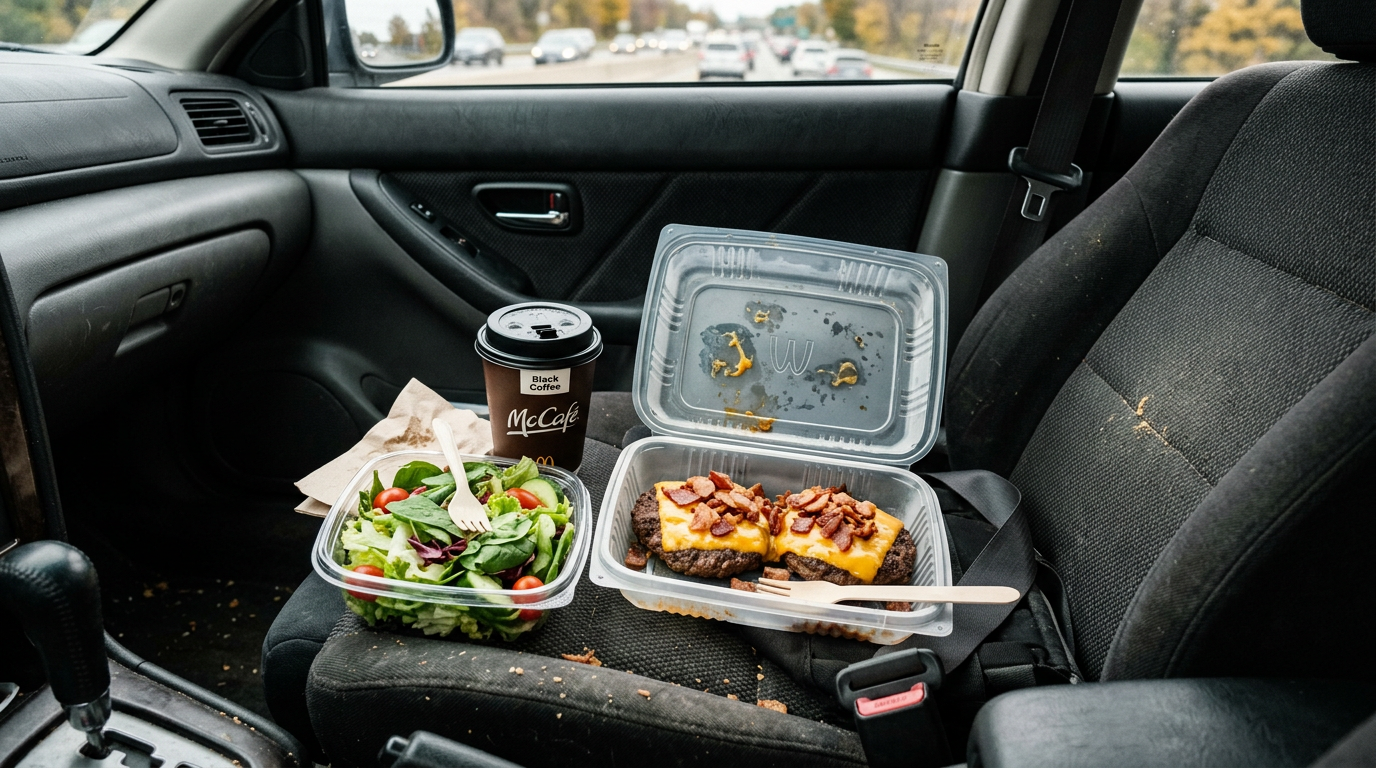
Burger franchises offer the simplest low-carb modifications. Therefore, request double or triple beef patties without bread or sugary ketchup.
You can safely add real bacon and aged cheddar slices. For example, Wendy’s Baconator without the bun supplies dense fats and satiating protein. However, discard sweet pickle slices to eliminate hidden high-fructose corn syrup in commercial brines.
Customizing Mexican-Style Grills: Chipotle and Moe’s
Mexican fast-casual grills provide exceptional flexibility for longevity-focused eaters. Specifically, these kitchens let you assemble nutrient-dense bowls from scratch.
The Compliant Burrito Bowl Strategy
Start with a fresh romaine lettuce base and skip the rice and beans entirely. Next, choose pasture-raised carnitas or steak to maximize quality fats.
Top your bowl with sautéed fajita vegetables and low-sugar tomatillo salsa. Finally, add rich avocado guacamole, aged cheese, and sour cream. This strategic combination delivers clean lipids, quality protein, and beneficial vegetable fiber.
Ordering at Sandwich Shops: Subway and Jimmy John’s
Submarine sandwich shops now cater directly to low-carb lifestyles. Indeed, Jimmy John’s prepares crisp lettuce wraps through their signature Unwich option. Subway similarly serves standard sandwich ingredients inside leafy protein bowls.
Deli Meat Precautions
Commercial deli slices often contain unwanted sodium nitrites and artificial preservatives. Consequently, choose whole sliced turkey breast or natural roast beef over processed cold cuts. Furthermore, pile on spinach, cucumbers, and kalamata olives while skipping industrial seed oil dressings.
Surviving Chicken Chains: Chick-fil-A and Popeyes
Commercial poultry restaurants present real obstacles because they rely heavily on breading and fryers. Therefore, avoid all crispy options and order unbreaded grilled poultry breasts.
Chick-fil-A sells convenient grilled nuggets and grilled chicken breast fillets. Additionally, pair these lean proteins with a clean green garden salad. Crucially, avoid commercial dipping sauces because most contain concentrated corn syrups.
Upgrading Coffee Shops: Starbucks Protocol
Coffee shops harbor dangerous liquid sugar traps behind misleading health labels. However, you can navigate coffee menus safely with simple foundational choices.
Clean Drink Combinations and Low-Carb Snacks
Order plain hot Americanos, iced cold brew, or unsweetened green tea. Next, request a splash of full-fat heavy cream instead of high-sugar skim milk.
Avoid synthetic sugar-free syrups to protect your delicate gut microbiome and insulin sensitivity. Instead, dust your foam with organic Ceylon cinnamon for safe flavor. Finally, select bacon and Gruyère sous-vide egg bites for a reliable low-carb protein snack.
Advanced Protocols: Post-Meal Damage Mitigation
Consuming a fast-food meal, even a carefully chosen ketogenic one, is a form of biological stress. For those serious about Preventative Medicine, implementing post-meal protocols can help mitigate the unavoidable negative effects, particularly from seed oils.
1. Extend Your Fast:
One of the most effective tools is fasting. If you eat a keto fast-food lunch, consider skipping dinner and extending your fasting window. This gives your body more time to process the inflammatory components, clear out oxidized fats, and ramp up autophagy—the cellular cleaning process that fasting promotes.
2. Strategic Supplementation:
Certain supplements, taken with or after the meal, may help manage the fallout.
* Omega-3s: Taking a high-quality fish oil or krill oil supplement (rich in EPA and DHA) can help counterbalance the inflammatory omega-6 load from the seed oils.
* Berberine: This plant alkaloid has been studied for its ability to improve insulin sensitivity and help manage blood glucose response, acting similarly to the pharmaceutical drug metformin. Taking it before a meal may help blunt any unexpected glucose from hidden carbs.
* Antioxidants: Supplements like Vitamin C, Vitamin E, or Astaxanthin can help combat the oxidative stress generated by heated, unstable fats.
3. Incorporate Movement:
A simple 15-20 minute walk after your meal can significantly aid in glucose disposal, helping your muscles uptake any stray glucose from the bloodstream without a large insulin response.
4. Track and Analyze:
Use the experience as a data point. How do you feel an hour after the meal? How about the next morning? If you use a continuous glucose monitor (CGM) or track your ketones, observe the impact. This kind of self-experimentation and data collection is the essence of biohacking. By using tools for Nutrient Diagnostics, you can better understand your body’s unique response and refine your strategies for the future.
The Long Game: Fast Food as a Data Point, Not a Destination
Maintaining a state of metabolic health in our modern food environment requires vigilance, strategy, and a clear understanding of the underlying biology. This guide provides the tactical knowledge to survive an occasional, unavoidable encounter with fast food without completely derailing your progress.
However, the ultimate goal is to create a lifestyle where such encounters are rare exceptions, not regular occurrences. The foundation of any robust longevity strategy is a diet based on whole, unprocessed foods prepared at home. This ensures control over ingredient quality, from the source of your protein to the types of fats you cook with.
View these occasional fast-food challenges not as failures, but as stress tests of your metabolic resilience and your commitment to your health. By making informed, strategic choices, you can navigate the convenience trap and remain firmly on the path toward a longer, healthier life.
Editorial Note: This article was independently researched and written based on current publicly available health information and does not represent the views of, and is not affiliated with, any external publication referenced.
References
1. Ghanim, H., et al. (2009). A high-fat, high-carbohydrate meal provokes a greater inflammatory response than a high-fat, low-carbohydrate meal. *The Journal of Clinical Endocrinology & Metabolism*, 94(9), 3467-3472.
2. DiNicolantonio, J. J., & O’Keefe, J. H. (2018). Importance of maintaining a low omega-6/omega-3 ratio for reducing inflammation. *Open Heart*, 5(2), e000946.
3. Paoli, A., et al. (2013). Beyond weight loss: a review of the therapeutic uses of very-low-carbohydrate (ketogenic) diets. *European Journal of Clinical Nutrition*, 67(8), 789-796.