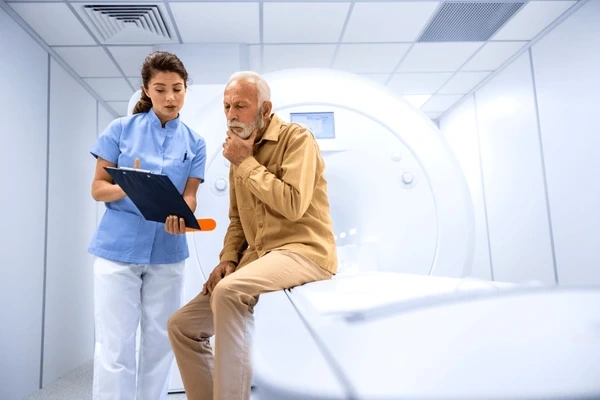
Are you inquisitive about a healthcare profession that allows you to make an actual difference in patients’ lives each day? Becoming a patient care technician (PCT) might be the proper path for you. Patient care technicians are essential individuals of the clinical group, imparting important resources to nurses and doctors even as they are in delay demand for patients. This whole guide will answer all your questions about what an affected person care technician is, what a PCT does in healthcare, the training and certification needed, and the way to launch your career in this worthwhile area.
What Is a Patient Care Technician?
A patient care technician (PCT) is a skilled healthcare professional who assists nurses, medical doctors, and other clinical workers in providing direct care to patients. PCTs work in a diffusion of healthcare settings, at the side of hospitals, nursing homes, rehabilitation facilities, dialysis clinics, and long-term care facilities. Their number one characteristic is to make certain patients are comfortable, secure, and supported in the course of their stay or treatment.
PCTs are sometimes cared for with certified nursing assistants (CNAs); however, their responsibilities regularly enlarge in addition. In addition to the number one affected person, PCTs may additionally carry out greater advanced scientific responsibilities, which include drawing blood, performing electrocardiograms (EKGs), and supporting with positive scientific methods.
The Role of a Patient Care Technician
1.Daily Patient Care and Support
Patient care technicians are at the front lines of healthcare, imparting hands-on assistance to patients.
Their everyday obligations consist of
- Helping sufferers with activities of everyday living (ADLs) collectively, including bathing, dressing, grooming, eating, and mobility.
- Assisting sufferers with toileting and personal hygiene.
- Helping sufferers flow into appropriate settings, such as transferring them among beds, chairs, and wheelchairs.
- Providing emotional resources and maintaining a compassionate bedside manner.
2.Monitoring and Reporting
PCTs play a crucial role in tracking patients’ fitness and communicating adjustments to the healthcare crew. Their duties include:
- Measuring and recording vital signs and symptoms, which include blood pressure, pulse, temperature, and breathing.
- Observing sufferers for modifications in condition and immediately reporting any concerns to nurses or doctors.
- Documenting affected character records as they should be in clinical statistics.
3.Clinical and Technical Duties
Depending on their schooling and the strength, PCTs can also carry out diverse scientific obligations, along with:
- Collecting specimens for laboratory testing (urine, blood, and so on).
- Performing EKGs and one-of-a-kind fundamental diagnostic assessments.
- Assisting with wound care, dressing adjustments, and catheter care.
- Setting up and maintaining scientific devices and components.
- Assisting with medical emergencies and following installation protocols.
4.Collaboration and Communication
PCTs are vital members of the healthcare team. They:
- Work intently with nurses, physicians, and one-of-a-kind healthcare specialists to supply coordinated care.
- Communicate correctly with patients and their families, explaining procedures and providing reassurance.
- Support patients and households for the duration of tough times, along with contamination or end-of-life care.
Key Skills and Qualities of a Successful PCT
To excel as a patient care technician, you need an aggregate of technical abilities and personal functions:
Compassion and empathy:
Caring for inclined sufferers calls for a kind and data-driven approach.
Patience:
Many responsibilities are repetitive and can be physically or emotionally worrying.
Physical stamina:
The system frequently consists of fame walking, lifting, and shifting patients throughout the shift.
Attention to the element:
Accurate tracking and documentation are vital for the affected person.
Communication skills:
PCTs need to interact with patients, households, and the healthcare team effectively.
Teamwork:
Collaboration is high in a fast-paced medical environment.
Adaptability:
PCTs must be capable of responding quickly to changing patient needs and emergencies.
What Is PCT in Healthcare?
In healthcare, PCT stands for Patient Care Technician. The term “PCT clinical” or “PCT remedy” refers back to the scientific and supportive position PCTs play in patient care settings. PCTs bridge the gap between sufferers and the rest of the clinical crew, ensuring that sufferers get attentive, compassionate, and powerful care during their healthcare journey.
Typical Work Settings for Patient Care Technicians
Patient care technicians are wanted in a selection of healthcare environments, which include
Hospitals:
Assisting with acute care, surgical recovery, and emergency room resources
Nursing homes and long-term care facilities:
Providing ongoing help for the aged or chronically ill
Rehabilitation facilities:
Helping sufferers get over injuries, surgical procedures, or ailments.
Dialysis clinics:
Supporting patients undergoing normal kidney dialysis treatment.
Home healthcare:
Some PCTs provide care in patients’ homes, helping with everyday activities and tracking fitness.
Patient Care Technician Responsibilities: A Closer Look
Here is a more detailed breakdown of the core responsibilities of a patient care technician:
| Responsibility | Description |
| Assisting with ADLs | Helping patients with bathing, grooming, dressing, eating, and mobility |
| Monitoring vital signs | Checking and recording blood pressure, temperature, pulse, and respiration |
| Specimen collection | Collecting blood, urine, or other samples for laboratory testing |
| Performing EKGs | Conducting electrocardiograms to monitor heart activity |
| Wound care and dressing changes | Assisting with basic wound care and changing bandages |
| Catheter and tube care | Maintaining and monitoring catheters, feeding tubes, and IVs |
| Patient transport | Transferring patients safely between rooms or departments |
| Emotional support | Providing comfort and reassurance to patients and families |
| Room and equipment maintenance | Keeping patient rooms clean and ensuring medical equipment is ready and safe |
| Reporting and documentation | Recording patient data and reporting changes to the healthcare team |
How to Become a Patient Care Technician
Step 1: Complete Your High School Education
The first requirement to become a PCT is a high school diploma or GED. This foundational education ensures you have the essential reading, writing, and math talents for healthcare artwork.
Step 2: Enroll in a Patient Care Technician Training Program
After high school, the next step is to finish a PCT education in software. These packages are furnished via vocational faculties, community schools, and some healthcare organizations. Training usually lasts between eight weeks and three hundred and sixty-five days, depending on the system.
What you’ll analyze in PCT education:
- Patient care skills (bathing, feeding, mobility assistance)
- Medical terminology and anatomy
- Infection control and protection techniques
- Clinical talents (phlebotomy, EKGs, specimen series)
- Communication and teamwork in healthcare
- Hands-on clinical experience via externships or practicums
Step 3: Obtain PCT Certification
While it is not constantly compulsory, earning a nationally recognized affected man or woman care technician certification significantly boosts your job prospects and demonstrates your competence. The most commonplace certifications encompass
Certified Patient Care Technician/Assistant (CPCT/A): Offered via the National Healthcareer Association (NHA), this credential is widely recognized inside the industry.
Other certifications: Some states or employers can also require certifications from extraordinary organizations or require more credentials, including CPR certification.
Certification technique:
- Complete an approved PCT schooling application or attain relevant work experience.
- Apply for the certification examination through the certifying body (consisting of the NHA).
- Prepare for the examination by using the usage of reviewing a look at publications and practice tests.
- Take the exam, which generally consists of multiple-choice questions about the affected person’s care, protection, and scientific talents.
- Receive your certification and upload it to your resume.
Step four: Apply for patient care technician jobs.
With your education and certification complete, you’re prepared to apply for PCT roles. Prepare a resume that highlights your clinical competencies, certifications, and any hands-on experience acquired in the course of your education. Patient care technicians are in high demand, so job opportunities are to be had in many healthcare settings.
Patient Care Technician Salary and Job Outlook
The call for affected person care technicians is developing rapidly due to an aging population and prolonged need for healthcare offerings. According to brand-new statistics, the common income for an affected character care technician within the United States ranges from $30,000 to $40,000 in step with year, depending on region, experience, and work setting. Certified PCTs may also earn higher wages and gain access to additional treatment options.
Advancement Opportunities for Patient Care Technicians
Working as a PCT is a high-quality access factor into the healthcare profession. Many PCTs move directly to pursue similar training and schooling, which includes
- Becoming a registered nurse (RN)
- Specializing in phlebotomy, EKG, or dialysis
- Advancing to supervisory or education roles within healthcare groups
- PCT revels in all fairness in valued using nursing, medical doctor assistants, and medical faculty, as it demonstrates hands-on scientific competencies and a commitment to patient care.
Frequently Asked Questions About Patient Care Technicians
Q1) What is the distinction between a PCT and a CNA?
While each affected person, care technician, and authorized nursing assistant offer direct affected person care, PCTs regularly have extra schooling in scientific duties, together with KGs, phlebotomy, and helping with medical procedures. CNAs are interested in simple, everyday care, while PCTs may tackle a broader range of duties.
Q2) Is certification required to work as a PCT?
Certification necessities range by country and business corporation. However, most employers pick out or require applicants to keep a recognized PCT certification, which consists of the CPCT/A from the NHA.
Q3) How long does it take to become a patient care technician?
Most PCT schooling applications may be finished in 8 to 12 weeks, with a few programs taking up to 12 months, depending on the depth of schooling and scientific knowledge provided.
Q4) What competencies do I want to succeed as a PCT?
You want a mix of technical talents (essential signs and symptoms, phlebotomy, and EKGs) and soft capabilities (compassion, staying power, communication, and teamwork).
Tips for a Successful Career as a Patient Care Technician
Stay up to date:
Healthcare is continuously evolving. Take continuing training guides to keep your abilities current.
Be proactive:
Look for approaches to assist patients and provide useful resources to the healthcare group.
Communicate certainly.
Good verbal exchange prevents mistakes and builds acceptance as actual with sufferers and associates.
Practice self-care:
The process may be bodily and emotionally stressful. Take care of your private well-being to provide high-quality care for others.
Pursue improvement.
Consider further certifications or education to increase your career alternatives.
Conclusion
A profession as a patient care technician is hard and deeply worthwhile. PCTs are essential members of the healthcare group, imparting direct care, emotional support, and technical help to patients in need. If you’re compassionate, element-oriented, and keen to make a difference, becoming an affected character care technician might be your gateway to a satisfying healthcare profession.
Whether you’re truly starting or looking to develop inside the medical field, an affected individual care technician training and certification can open doors to an international array of opportunities. Take the first step nowadays and start your adventure on the path of a meaningful and impactful career in patient care.
Disclaimer:
This content is for informational purposes only and does not substitute professional career counseling or medical advice. Always seek guidance from accredited healthcare education providers and employers.
This summary is based on current job descriptions and career resources, highlighting that Patient Care Technicians provide essential support by assisting with basic patient needs, monitoring health status, performing routine clinical tasks, and facilitating communication within healthcare