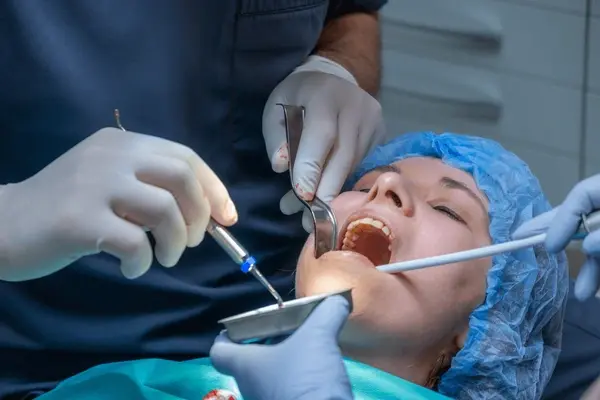
Dental fitness is essential to overall well-being, and advances in dental processes have made it possible to restore smiles and oral characteristics even after significant bone loss. One such method is the dental bone graft. If you’ve been informed you could need a bone graft, or you’re curious about the system, this complete manual will help you recognize at the same time when a bone graft is necessary, what the tool includes, and what you can expect finally of the restoration.
What Is a Dental Bone Graft?
A dental bone graft is a surgical procedure that gives bone or bone-like material to your jaw. This way is essential when the jawbone has deteriorated or is simply too skinny to assist dental implants or preserve oral health. The grafted bone can come from your very personal frame, a donor, an animal supply, or be synthetically produced, relying on your dreams and your dentist’s guidelines.
When Is a Dental Bone Graft Needed?
Several dental and scientific conditions can also require a bone graft. Understanding those conditions allows you to understand why your dentist might advocate this device.
1. Tooth Loss and Dental Implants
After Tooth Extraction:
When a tooth is misplaced or extracted, the bone that once supported it starts to resorb. Up to 25% of bone width may be out of region inside the first three hundred and sixty-five days after extraction if left untreated. This bone loss should make it tough or no longer viable to place a dental implant, which requires a strong foundation.
Preparing for Implants:
If you’re considering dental implants to replace a missing tooth, a bone graft can be critical to ensure there’s enough bone to safely anchor the implant.
2. Gum Disease (Periodontal Disease)
Bone Erosion:
Advanced gum illness can cause the jawbone to become worse, foremost to free teeth and further tooth loss. Bone grafting can assist in rebuilding this out-of-place bone, stabilize the tooth, and prepare the location for future implants or restorations.
3. Dental Trauma or Injury
Accidents and Fractures:
Trauma from a coincidence, sports activities, or chronic tooth grinding can damage the jawbone. Bone grafting can restore and regenerate bone in the ones regions, restoring function and look.
4. Developmental Defects
Congenital Conditions:
Some humans are born with jawbone deficiencies or defects. Dental bone grafts can correct those issues, permitting proper dental features and assisting the success of dental procedures.
5. Sinus Issues
Sinus Lift Procedures: In the top jaw, especially near the molars, bone loss can allow the sinus hollow location to encroach on the area in which implants are wanted. A sinus growth, which includes bone grafting, is often performed to repair bone density and stability for implants.
6. Aesthetic Concerns
Facial Structure: Significant bone loss in the jaw could have an impact on facial appearance, causing the face to appear sunken or elderly. Bone graft dental can repair an extra youthful glance through rebuilding the jaw’s form.
Summary Table: Common Reasons for Dental Bone Grafting
| Reason for Bone Graft | Description |
| Tooth loss/Implant preparation | Rebuilds bone after extraction or for implant placement |
| Gum disease | Repair bone lost due to periodontal disease |
| Trauma/injury | Restores bone damaged by accidents or grinding |
| Developmental defects | Corrects congenital bone deficiencies |
| Sinus lift | Adds bone in the upper jaw for implants near the sinus |
| Aesthetic improvement | Restores facial structure after bone loss |
Types of Dental Bone Grafts
The supply and form of bone utilized in grafting can vary. Here are the number one types:
1) Autograft:
Bone is taken from some other part of your very own body, which includes the hip or jaw. This is often taken into consideration as the “gold elegant,” as it’s maximally properly matched and promotes quicker restoration.
2) Allograft:
Bone comes from a human donor and is normally processed and sterilized by a tissue financial organization.
3) Xenograft:
Bone is sourced from different species, usually bovine (cow) or porcine (pig), and specifically processed for human use.
4) Alloplast:
Synthetic bone substitutes, which consist of calcium phosphate, are used. These substances are cozy and powerful for masses of sufferers.
Each kind has its blessings and troubles. Your dentist or oral health care expert will advise on the best choice based on your health, desires, and possibilities.
How Does a Dental Bone Graft Work?
A bone graft works by way of a manner of presenting a scaffold or framework on your body to construct new bone. Over time, your herbal bone cells expand and integrate with the graft cloth, sooner or later replacing it with wholesome, residing bone. This approach is called osseointegration and is vital for the long-term stability of dental implants and overall oral health.
The Dental Bone Graft Procedure: Step-by-Step
Understanding what takes place at some point in a dental bone graft can help ease anxiety and prepare you for the technique.
1. Consultation and Assessment
Imaging:
Your dentist will use X-rays or a CT scan to look at and assess the quantity of bone loss and determine the quality of the grafting approach.
Treatment Planning:
The dentist will speak about your alternatives, which consist of the form of graft material and anesthesia or sedation options.
2. Anesthesia
Local Anesthesia:
Most bone grafts are performed under local anesthesia to numb the area. Sedation options are available for demanding patients or more complicated strategies.
3. Incision and Exposure
Accessing the Bone: The clinical professional makes a small incision inside the gum to expose the vicinity of the jawbone that dreams restore.
4. Placement of Graft Material
Graft Placement: The decided-on bone graft is placed in the central area. Sometimes, a membrane or mesh is used to preserve the graft in place and inspire bone growth.
5. Closing the Incision
Sutures: The incision is closed with stitches, and the healing process starts.
6. Recovery and Healing
Initial Recovery: You’ll receive commands for aftercare, collectively with handling pain, swelling, and a healthy weight-reduction plan.
Procedure Timeline
The entire process normally takes 1-2 hours, depending on complexity.
Types of Dental Bone Graft Procedures
Depending on your wishes, your dentist might also endorse one of numerous particular grafting techniques:
1) Socket Preservation:
Performed immediately after enamel extraction to prevent bone loss in the socket.
2) Ridge Augmentation:
Used to boost the width and height of the jawbone for implants.
3) Sinus Lift (Sinus Augmentation):
Adds bone to the top jaw near the molars to assist implants.
4) Block Bone Graft:
It involves transplanting a small block of bone, usually from the back of the jaw, to areas with amazing bone loss.
What to Expect During Recovery
Recovery from a dental bone graft is normally straightforward, but it calls for staying power and proper care.
1. Immediate Post-Surgery Period (First 1-2 Weeks)
Pain and Swelling: Mild to slight aches, swelling, and bruising are regular and may be managed with prescribed or over-the-counter pain treatment and ice packs.
Diet: A gentle-food eating regimen is typically encouraged to keep away from the traumatic surgical net internet site.
Oral Hygiene: Gentle brushing and rinsing with a prescribed mouthwash help prevent contamination.
2. Early Healing (3-4 Months)
Bone Formation:
New bone starts to evolve to grow across the graft fabric. Some moderate pain can also persist; however, it should regularly improve.
Follow-Up Visits:
Regularly take a look at the USA and allow your dentist to expose the restoration and address any problems.
3. Complete Healing (6-9 Months or Longer)
Osseointegration: The grafted bone, in reality, integrates in conjunction with your natural bone, supplying a strong basis for implants or superb dental artwork.
Assessment: Your dentist will determine whether the area is ready for similar strategies, which include implant placement.
Healing Timeline Table
| Stage | Duration | What to Expect |
|---|---|---|
| Immediate Recovery | 1-2 weeks | Pain, swelling, soft diet, gentle oral care |
| Early Healing | 3-4 months | Bone growth, mild discomfort, and follow-up visits |
| Complete Healing | 6-9 months+ | Full integration, ready for implants/restoration |
Factors Affecting Healing Time
Type of Graft:
Socket safety heals quicker (3-4 months), while sinus lifts or ridge augmentations can also take 6-3 days.
1) Extent of Bone Loss:
More substantial grafts require longer healing.
2) Overall Health:
Non-individuals who smoke and people with poor oral hygiene commonly heal quickly.
3) Compliance:
Following aftercare instructions is essential for fulfillment.
Risks and Complications
Dental bone grafting is commonly secure; however, as with each surgical procedure, there are ability risks:
Infection:
Rare, however, viable; antibiotics can be prescribed.
Graft Rejection or Failure:
Uncommon; however, the graft may not combine as predicted.
Nerve Damage:
Rare, however, possible if nerves are near the incision site.
Sinus Issues:
For top jaw grafts, there’s a small threat of sinus headaches.
Your dentist will communicate those dangers and the way they will be minimized throughout your session.
Aftercare and Tips for a Smooth Recovery
Proper aftercare is important for achievement recovery. Here’s what you may do:
Take Medications as Prescribed:
Pain relievers and antibiotics help manage pain and prevent infection.
Apply Ice Packs:
Reduce swelling by applying ice to the outside of your face for the first 24-48 hours.
Eat Soft Foods:
Stick to soups, yogurts, mashed potatoes, and smoothies till your dentist says it’s okay to resume a normal weight-reduction plan.
Avoid Smoking and Alcohol:
These can put off recuperation and boost the chance of complications.
Practice Gentle Oral Hygiene:
Use a smooth-bristled toothbrush and keep away from the surgical vicinity until it’s healed.
Attend All Follow-Up Appointments:
Regular visits assist your dentist in displaying improvement and dealing with any issues early.
The Benefits of Dental Bone Grafting
Dental bone grafts provide numerous critical benefits:
1) Restores Jawbone Structure:
Prevents further bone loss and maintains facial look.
2) Enables Dental Implants:
Provides a strong basis for implants, which can be a long-lasting solution for missing teeth.
3) Improves Oral Health:
Stabilizes enamel and gums, reducing the danger of similar tooth loss or gum disease.
4) Enhances Quality of Life:
Restores chewing function, speech, and self-belief to your smile.
Frequently Asked Questions About Dental Bone Grafts
Q1) Is the technique painful?
The device itself is not painful, as it’s finished beneath anesthesia. Some ache is anticipated later on, but this is typically possible with treatment.
Q2) How long does it take to heal?
Healing can take anywhere from three to three hundred and sixty-five days, depending on the form of graft and your fitness.
Q3) Can I get a dental implant right away after a bone graft?
In a few instances, certainly, especially with minor grafts. However, most sufferers need to wait several months for the bone to integrate before implants can be positioned.
Q4) Are there options to bone grafts?
If you are not a candidate for bone grafting, your dentist can also talk about possible restorative alternatives, but for loads of patients, bone grafting is the best way to ensure long-term dental health and implant success.
Conclusion: A Positive Outlook on Dental Bone Grafting
Dental bone grafting is a comfortable, effective, and more commonplace procedure that could repair oral health, allow dental implants, and hold your smile for years to come. While the idea of surgical treatment also can seem daunting, advances in dental era and techniques have made bone grafting more relaxed and predictable than ever.
If you’ve been recommended that you need a bone graft, take into account that it’s an investment in your destiny, fitness, and self-esteem. By following your dentist’s recommendation and practicing correct oral hygiene, you may set up a robust foundation for a lifetime of wholesome smiles.
If you’ve got questions or problems about dental bone grafting, don’t hesitate to seek advice from your dental professional. They can offer customized guidance and help you make the right choice in your particular goals.
Disclaimer:
This content is for informational purposes only and does not replace professional dental advice. Consult with a qualified oral surgeon or dentist for personalized diagnosis and treatment options.
This summary is based on authoritative dental sources describing the bone graft procedure, including anesthesia, incision, graft placement, stabilization, suturing, and post-operative care required for successful recovery and implant support.