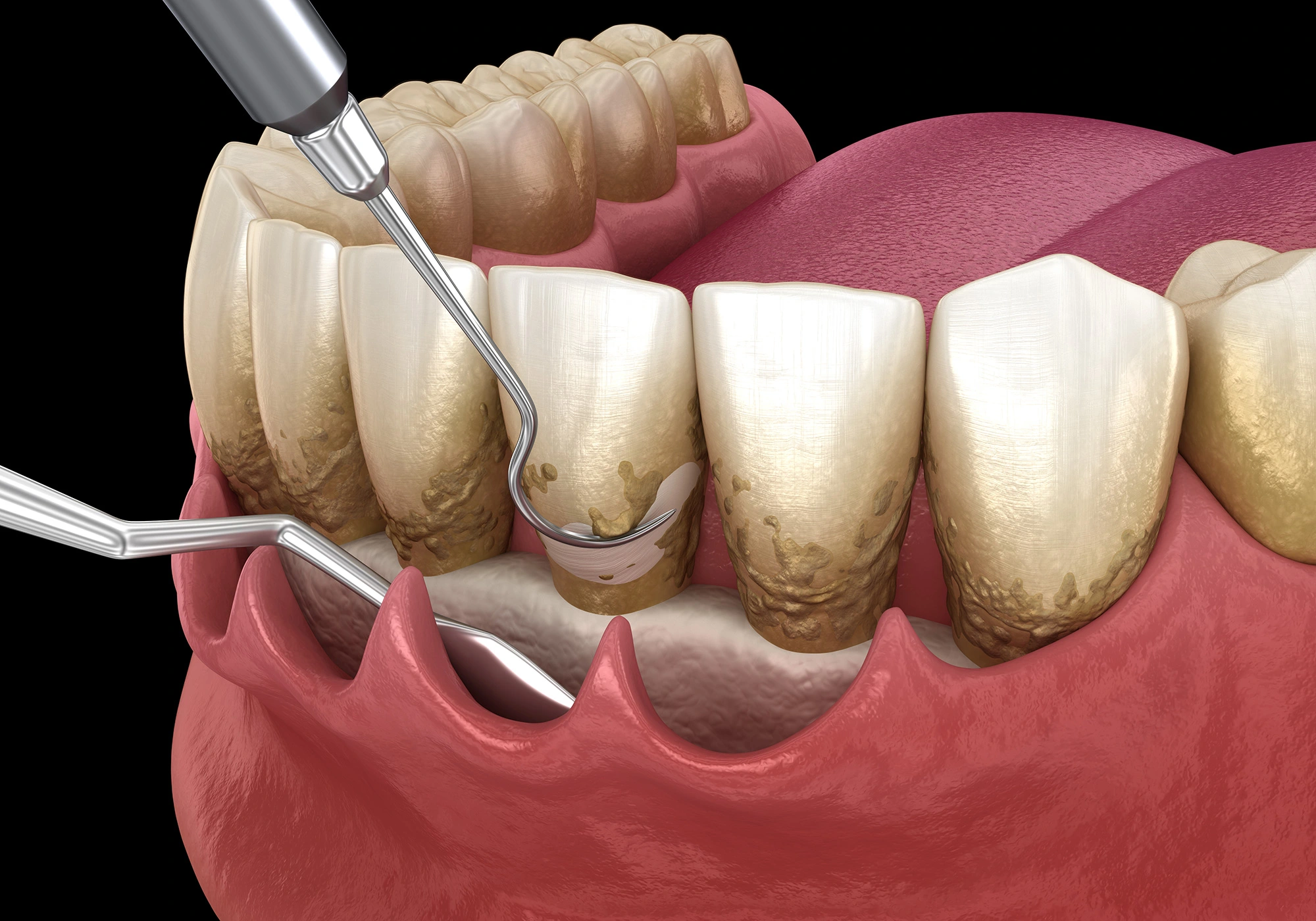
An osseous surgical therapy, sometimes called gum pocket surgery, perio osseous surgical process, dental osseous surgical procedure, or osseous surgical procedure, is a specialized dental technique designed to treat advanced gum disease and restore oral health. If you or a loved one has been recommended this procedure, you should understand what it involves, its benefits, potential risks, and the aftercare needed to approach it with confidence and peace of mind. This comprehensive guide will walk you through everything about osseous surgery, from why it’s needed to how you can ensure a comfortable, effective healing process.
Osseous surgery effectively treats advanced periodontitis by removing infected tissue, reshaping bone, and reducing deep periodontal pockets. Its benefits include improved oral health, prevention of tooth loss, reduced gum pocket depth for easier cleaning, and enhanced gum and bone stability. Risks involve infection, bleeding, swelling, temporary sensitivity, or discomfort, but these are generally manageable with proper care and professional guidance.
Aftercare is crucial for successful recovery. Patients are advised to follow a soft diet, avoid strenuous activity initially, and maintain excellent oral hygiene—carefully following the periodontist’s instructions regarding cleaning the surgical site. Recovery typically takes a few weeks, with gradual improvement in gum health, reduced sensitivity, and increased tooth stability over several months. Regular dental check-ups and cleanings help sustain the benefits long-term.
In summary, osseous surgery remains the gold standard for advanced gum disease treatment when nonsurgical options are insufficient. Understanding its benefits, risks, and aftercare can help patients prepare adequately and achieve the best outcomes
Understanding Osseous Surgery
What Is Osseous Surgery?
An osseous surgical procedure is a periodontal process performed to deal with periodontitis, a severe form of gum disease that damages the soft tissue and bone supporting the enamel. When nonsurgical treatments like scaling and root planing fail to control the disorder, osseous surgical procedures become essential procedures to halt its development and save your teeth.
The essential aim of osseous surgical operation is to remove or reduce the deep pockets that form between the teeth and gums because of the destruction due by gum disease. This wallet harbors microorganisms, making it nearly impossible to clean the region thoroughly with ordinary brushing and flossing. If left untreated, those warts can result in additional bone loss and, subsequently, tooth loss.
Who Needs Osseous Surgery?
Osteoarthritis surgery may be an option for you if you have:
- Deep gum pocket that does not respond to non-surgical healing procedures
- Advanced periodontitis with bone loss
- Persistent gum irritation and bleeding
- Difficulty keeping oral hygiene because of misshapen bone or gum tissue
A periodontist—a dentist who specializes in gum ailments—will determine if osseous surgery is right for you after a thorough exam, which may consist of X-rays and probing of the gum wallet.
The Osseous Surgery Procedure: Step-by-Step
Knowing what to anticipate during dental osseous surgery can help ease any anxiety and prepare you for a clean experience.
1. Preparation and Anesthesia
Before the technique, your periodontist will provide instructions on oral hygiene, medications, and any vital dietary modifications. On the day of surgical treatment, a local anesthetic is administered to numb the area and ensure your comfort in the course of the procedure.
2. Gum Flap Creation
To reveal the root surfaces and underlying bone, the periodontist carefully folds back the gum tissue after making a little incision along the gum line. This “flap” technique allows direct access to the infected areas.
3. Cleaning and Debridement
With the roots and bone uncovered, the dentist gets rid of plaque, tartar, and inflamed tissue from the deep pocket. Any diseased or broken gum tissue is likewise excised to ensure restoration.
4. Bone Reshaping and Regeneration
If the bone supporting your tooth has been broken or is irregularly shaped, the periodontist smooths and reshapes it. This step helps eliminate pockets and creates a healthier environment for the gums to reattach. In cases of severe bone loss, regenerative techniques, including bone grafts or guided tissue regeneration, may be used to encourage new bone growth.
5. Gum Repositioning and Suturing
The gum tissue is moved and sutured back into place once the area has been completely cleaned and the bone has been reshaped. A periodontal dressing, or “p.C.,” may be implemented to protect the surgical site and promote healing in recuperation.
6. Recovery and Follow-Up
The complete system generally takes about two hours, depending on the severity of the sickness and the number of teeth concerned. Most patients can return home the same day, with special post-operative instructions for gold standard restoration.
Benefits of Osseous Surgery
Osseous surgical operation is a validated and effective remedy for advanced periodontal disease, imparting a variety of benefits that extend beyond truly lowering pocket depth.
1. Halts the Progression of Gum Disease
By removing bacteria, tartar, and diseased tissue from a deep wallet, osseous surgical treatment stops the unfavorable cycle of periodontitis. This intervention can save you from additional bone and gum tissue loss, helping you keep your natural teeth for longer.
2. Reduces Pocket Depth
Deep pockets are breeding grounds for microorganisms and are hard to treat with ordinary oral hygiene. Osseous surgical treatment appreciably reduces the depth of those pockets, making it easier to preserve smooth, wholesome gums and teeth.
3. Preserves Teeth and Prevents Tooth Loss
One of the number one goals of dental osseous surgical treatment is to stabilize the tooth by restoring the supporting bone and gum tissue. This reduces the danger of tooth mobility and loss, which is a primary problem in advanced gum disease.
4. Improves Oral Hygiene and Overall Health
With shallower pockets and smoother bone contours, brushing and flossing become extra effective. This not only improves oral health but also reduces the chance of other health troubles related to gum disease, along with heart disease and diabetes.
5. Enhances Gum and Bone Health
By reshaping the bone and eliminating diseased tissue, osseous surgical operation promotes the regeneration of healthy gum and bone tissue. This ends in a more solid and aesthetically pleasing gumline.
6. Boosts Confidence and Quality of Life
Healthier gums and enamel can enhance your smile, boost your vanity, and enhance your capacity to eat and communicate easily.
Risks and Potential Complications
Osteoarthritis surgery carries some risks, just like any other surgical procedure. However, those are generally uncommon and may be minimized by following your periodontist’s instructions and keeping appropriate oral hygiene.
Common risks include:
1) Bleeding:
Some bleeding is normal after a surgical operation; however, excessive or prolonged bleeding has to be reported to your dentist.
2) Infection:
Although unusual, infection can occur if the surgical site isn’t kept clean. As a preventative measure, doctors may prescribe antibiotics or antimicrobial mouthwashes.
3) Tooth Sensitivity:
Exposing more of the tooth root can result in increased sensitivity to hot, cold, or sweet foods. This commonly improves over time or may be controlled with desensitizing toothpaste.
4) Gum Recession:
The gumline can be lower after a surgical procedure, exposing more of the enamel. This can increase sensitivity and the threat of root cavities; however, it is often an essential choice for halting disorder progression.
5) Cavities in Tooth Roots:
With more of the base uncovered, there may be a higher risk of cavities forming in those areas. Fluoride treatments or special varnishes can be endorsed.
6) Delayed Healing or Nerve Damage:
Rarely, recuperation may additionally take longer than predicted, or there can be temporary numbness or tingling if nerves are affected.
How Common Are Complications?
Complications from osseous surgical treatment are rare when done with the aid of a skilled periodontist and when patients adhere to aftercare instructions. Most human beings revel in the slightest hand soreness and recover without big troubles.
Aftercare: Ensuring a Smooth Recovery
Proper aftercare is crucial to ensure the best possible final results from your osseous surgical treatment. Here’s what you could anticipate and the way you can guide your healing process:
Immediate Post-Surgery Care
Pain Management:
Mild discomfort, swelling, and tenderness are common after surgery. Your dentist may additionally advocate over-the-counter pain relievers like ibuprofen or prescribe more potent medications if needed. Using cold packs can help reduce edema within the first 24 to 48 hours.
Bleeding:
Some bleeding is predicted for the first few hours. Bite lightly on gauze pads as advised to govern bleeding, and avoid vigorous rinsing or spitting.
Diet:
Stick to smooth, cool meals for the first few days. Steer clear of meals that could aggravate the surgery site, such as warm, spicy, crunchy, or rough foods. Gradually reintroduce everyday meals as recuperation progresses.
Oral Hygiene
Brushing and flossing:
For at least a week, or as instructed by your periodontist, avoid brushing or flossing the surgical area.
As with any surgical operation, there are dangers associated with osseous surgery.
Mouth Rinse:
You may be recommended to apply an antimicrobial or saltwater rinse to keep the location smooth and reduce the risk of contamination.
Avoid Smoking and Alcohol:
Both can postpone healing and increase the risk of headaches. It’s excellent to avoid them completely at some stage in your restoration duration.
Follow-Up Appointments
- Attend all scheduled follow-up visits so your periodontist can assess your recuperation, do away with any stitches if necessary, and address any worries directly.
- Stitches may additionally dissolve on their own or be eliminated by your dentist after approximately one to two weeks.
Long-Term Maintenance
Good Oral Hygiene:
Once healed, resume gentle brushing and flossing around the handled area. Your dentist may endorse unique brushes or strategies to help you brush easy correctly.
Regular Dental Visits:
Professional cleanings and tests are critical to keeping the health of your gums and preventing a recurrence of gum disease.
Frequently Asked Questions about Osseous Surgery.
Q1) Is osseous surgery painful?
The method is completed under neighborhood anesthesia so that you will no longer experience pain at any point during the surgical treatment. Some soreness and swelling are normal later on; however, those may be managed with medication and the right care.
Q2) How long does it take to get better?
Initial restoration typically takes approximately one to 2 weeks; however, full healing and gum reattachment can take up to 3 months. Most patients can go back to everyday activities within a day.
Q3) Will my gums look special after surgical treatment?
Yes, the gumline can be decreased, and more of your teeth may be seen. This is the result of doing away with diseased tissue and reshaping the bone, and it is necessary to reduce pocket depth and assist healthy gums.
Q4) Can an osseous surgical operation fail?
While osseous surgical operation has an excellent achievement, its long-term effectiveness relies on your commitment to excellent oral hygiene and everyday dental care. Smoking, terrible oral hygiene, and certain scientific conditions can increase the danger of recurrence.
Q5) Are there options to the osseous surgical operation?
Dentists typically try scaling and root planing first as examples of nonsurgical procedures. In some cases, they may consider more recent regenerative procedures or laser remedies; however, many experts regard osseous surgery as the gold standard for advanced periodontitis.”
This revision shifts the focus to the actor (“Dentists,” “they,” “experts”) performing the actions, reducing passive constructions and improving the sentence’s directness and readability. Reducing passive voice below 10% enhances content quality and SEO performance, especially in informative dental topics.
Conclusion: A Positive Step Toward Lasting Oral Health
Osseous surgical treatment is a powerful tool in the fight against periodontal disease. By very well cleansing infected areas, reshaping bone, and lowering pocket depth, this manner can halt the progression of periodontitis, keep your natural teeth, and restore your oral health.
Even though having surgery might be frightening, knowing the procedure, advantages, risks, and aftercare helps you feel more in control and prepared. Most importantly, following your periodontist’s instructions and preserving first-rate oral hygiene are key to a successful outcome and a healthy, assured smile for years to come.
Disclaimer:
If you have concerns or questions about osseous surgical procedures, don’t hesitate to consult your dental professional—they’re your most useful resource for personalized recommendations and aid for your journey to higher gum health.