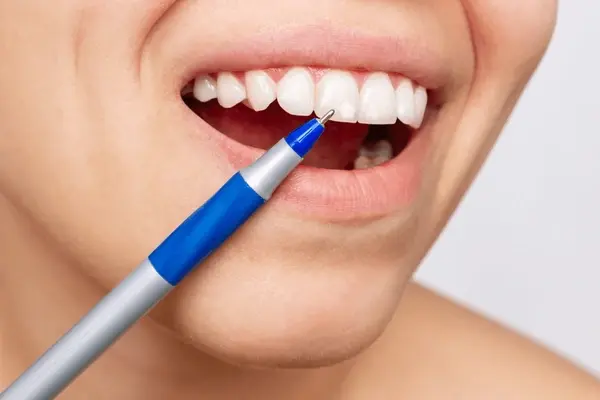
White spots on teeth are a common issue worldwide. They appear as chalky, opaque patches caused by tooth demineralization. These spots affect oral health and aesthetics. Often, they signal early dental problems that need attention.
To maintain a healthy smile, understand the causes, treatments, and prevention methods for white spots. Proper dental care can help you achieve and keep confident, healthy teeth.
What Are White Spots on Teeth?
- White spot lesions (WSLs) are regions of demineralized enamel that appear as opaque, chalky
- white patches at the tooth’s surface, distinct from the herbal translucent look of healthy teeth. White spots on teeth form due to subsurface demineralization beneath a layer of intact enamel. Changes in pH cause the enamel matrix to dissolve internally, leading to mineral loss on the enamel surface.
- These spots become more visible when the enamel surface dries. Demineralized areas reflect light differently than healthy enamel, creating a chalky white appearance. Unlike surface stains, white spots indicate structural changes in the tooth, posing concerns for dental health and appearance.
- White spot lesions vary in severity, from small, barely noticeable patches to large, visible areas that affect a tooth’s look. If untreated, the spots can turn brown or develop into cavities. The prevalence of white spots has increased recently, especially among patients undergoing orthodontic treatment. Studies show that 23-76% of patients receiving long-term orthodontic care develop white spots.
Common Causes of White Spots on Teeth
1) Fluorosis: When Too Much of a Positive Thing Turns Into an Issue
- When Too Much of a Good Thing Turns Into a Problem: Fluorosis, affecting about 25% of the US population.
- Children develop dental fluorosis when they receive too much fluoride while their enamel forms, usually between ages 1 and 7. Using fluoride supplements, fluoridated water, and toothpaste together can lead to an overdose. This disrupts the normal mineralization of enamel.
- Fluorosis symptoms appear as chalky white spots, mostly on the front teeth. Severe cases can cause tooth defects or underdeveloped teeth. These changes can impact appearance significantly, especially on visible front teeth.
- Parents should monitor fluoride intake carefully to prevent fluorosis. Use only a small amount of fluoride toothpaste for kids. Watch their consumption of fluoridated drinks. In areas with high fluoride in water, supplements might not be necessary and could increase fluorosis risk.
- This revision keeps the meaning intact while improving clarity and sentence length compliance.
2) Orthodontic Treatment Complications
- Fixed orthodontic remedies represent a significant risk factor for white spot formation, with those lesions being one of the most common complications associated with braces. The presence of brackets, bands, wires, and other orthodontic appliances creates regions wherein bacterial plaque can accumulate undisturbed, leading to prolonged acid exposure and subsequent tooth demineralization.
- The positioning of orthodontic brackets creates specific prone areas around the home equipment in which patients find it tough to maintain adequate oral hygiene. These areas end up being breeding grounds for cariogenic microorganisms, which produce acids that attack the teeth’s enamel. Studies have shown that maxillary lateral incisors, mandibular canines, and first premolars are most frequently stricken by white spot formation for the duration of orthodontic treatment.
- The improvement of orthodontically caused white spots can extensively detract from the cultured outcome of otherwise successful orthodontic treatment. This makes prevention and early intervention crucial components of orthodontic care, requiring superior oral hygiene protocols and regular monitoring by dental experts.
3) Enamel Hypoplasia and Developmental Defects
A developmental condition known as enamel hypoplasia is typified by teeth that are thinner than normal or by the total absence of enamel in certain regions. This circumstance affects about 1 in 14,000 human beings and may present in each formative year and maturity. The decreased tooth thickness creates areas that seem white or translucent as compared to the usually mineralized enamel.
Several elements can contribute to enamel hypoplasia development, including negative maternal nutrients at some stage in pregnancy, untimely beginning, excessive fever during the duration of adolescent infection, certain drugs, and trauma to developing teeth. Smoking for the duration of pregnancy and numerous systemic conditions can also interfere with normal teeth formation, resulting in hypoplastic defects.
Enamel hypoplasia not only affects the formation of enamel but also makes it more liable to decay and damage. The thinner teeth offer less protection in opposition to bacterial acids and mechanical wear, requiring special interest in preventive care and potentially more extensive treatment techniques.
4) Demineralization and Poor Oral Hygiene
- Demineralization, additionally known as decalcification, occurs while bacterial plaque accumulates on enamel surfaces for extended periods.
- The bacteria in dental plaque produce acids as they break down sugars and carbohydrates from food. These acids create a localized acidic environment. This acid dissolves minerals in the tooth structure.
- The process begins with subsurface lesions forming beneath an intact enamel surface. When the enamel dries, these lesions appear as white spots. If demineralization continues without treatment, these white spots can become brown stains. Eventually, they can develop into cavitated cavities.
- Poor oral hygiene, including inadequate brushing and flossing, allows bacterial plaque to build up and mature. This increases the risk of white spot development. Areas that are hard to clean, such as along the gum line, under enamel, and around dental devices, are especially vulnerable to demineralization.
Treatment Options for White Spots
1) Microabrasion: Gentle Surface Refinement
- For superficial white spots and tooth abnormalities, enamel microabrasion is a minimally invasive treatment option. This technique entails the managed elimination of a skinny layer of tooth and the usage of an acid-abrasive gel, effectively eliminating or lowering the appearance of surface-level white spots.
- The first step in the microabrasion process is to isolate the enamel and employ a rubber dam to shield the surrounding tissues. An acid-abrasive gel is then applied with a sprucing brush, using mild strain till the white spot step by step disappears. To strengthen the treated tooth floor after treatment, a remineralizing varnish is used. This remedy is most effective for superficial lesions less than zero. 2mm in depth, making accurate diagnosis of lesion depth important for remedy achievement. While microabrasion can’t address all kinds of white spots, it offers a conservative first-line remedy option that preserves tooth structure at the same time as improving aesthetics.
2) Resin Infiltration: Modern Micro-Invasive Therapy
- Resin infiltration has emerged as an incredibly powerful micro-invasive remedy for white spot lesions, offering first-rate aesthetic outcomes with minimal enamel structure elimination. Using this method, low-viscosity photopolymerized resin is injected into demineralized teeth, where it enters the porous lesion and solidifies to restore the optical resin. The resin infiltration procedure successfully stops the progression of carious lesions while considerably improving their appearance. Clinical research has validated that this remedy can reduce staining penetration depth and provide long-lasting aesthetic enhancements. The method is commonly completed in a single consultation, lowering the need for more than one appointment and greater invasive remedies.
- Recent research has shown that resin infiltration is compatible with other dental treatments, consisting of ceramic bonding and enamel bleaching, making it a versatile option for complete aesthetic rehabilitation. The method follows the principles of minimally invasive dentistry and has been tested as particularly effective for post-orthodontic white spot management.
3) Professional Teeth Whitening and Bleaching
- Teeth whitening can be a powerful treatment option for certain forms of white spots, especially when the goal is to match the surrounding teeth color to the affected areas. Professional whitening treatments can assist in lessening the contrast between white spots and normal teeth, making the spots much less noticeable.
- The underlying cause and severity of the lesions determine how well whitening works to treat white spots. In some instances, combining whitening with different treatments such as microabrasion or resin infiltration can obtain the most desirable aesthetic results. Professional in-office bleaching offers more predictable effects than over-the-counter products and can be custom-designed primarily based on individual wishes.
- Post-bleaching resin infiltration has been advocated as an effective mixture remedy, with studies displaying improved outcomes when those treatments are used sequentially. This method addresses both the color discrepancy and the structural factors of white spot lesions.
4) Advanced Restorative Options
- For excessive or great white spots that do not respond to conservative treatments, dental veneers or composite bonding can be important. These restorative methods involve setting tooth-colored materials over the affected regions to mask the white spots and restore the everyday tooth look.
- Dental veneers are ultra-thin shells of porcelain or composite material that cover the front surface of the tooth, providing remarkable aesthetic consequences for severe discoloration. While more invasive than other treatments, veneers provide predictable, long-lasting answers for instances where conservative processes are insufficient.
- Composite bonding involves applying tooth-colored resin fabric directly to the affected regions, sculpting and shaping it to healthy the encompassing enamel structure. This technique is less invasive than veneers and might often be completed in a single appointment, making it an attractive alternative for many patients.
Prevention Strategies for Maintaining Healthy Smiles
1) Optimal Oral Hygiene Practices
- Maintaining superb oral hygiene represents the cornerstone of white spot prevention and universal dental health. Regular brushing with fluoride toothpaste at least two times a day helps eliminate bacterial plaque earlier than it can produce enough acid to harm teeth. The mechanical action of right brushing disrupts bacterial biofilms and removes food debris that feeds dangerous bacteria.
- Flossing every day is equally crucial because it gets rid of plaque and debris from areas between the enamel that toothbrushes can’t reach effectively. These interdental spaces are especially at risk of white spot formation, making steady flossing habits important for complete prevention.
- Using an antimicrobial mouthwash can provide additional safety through lowering bacterial populations and neutralizing acids inside the oral environment. Studies have shown that certain mouthwashes containing nanosilver or different antimicrobial agents may be particularly powerful in preventing white spot formation at some stage in orthodontic treatment.
2) Dietary Considerations and Nutritional Balance
- A healthy diet is crucial for preventing the development of white spots and maintaining good oral health. Eating meals high in calcium, phosphorus, and other essential minerals helps to strengthen enamel and promotes the process of natural remineralization. Limiting consumption of sugary and acidic foods and liquids reduces the substrate available for bacterial acid production. Highly acidic foods, consisting of citrus fruits, sodas, and sports drinks, can erode enamel without delay, making teeth extra susceptible to white spot formation. When consuming acidic ingredients or drinks, using a straw and rinsing with water later on can help limit contact with enamel.
- Incorporating foods that stimulate saliva production, together with sugar-free gum, can help neutralize acids and provide minerals for enamel remineralization. Saliva serves as the mouth’s natural protection machine, buffering acids and presenting calcium and phosphate for tooth restoration.
3) Fluoride Management and Professional Care
- Appropriate fluoride management is crucial to preventing white spots and fluorosis. While fluoride is beneficial for strengthening teeth and stopping decay, immoderate exposure can cause fluorosis and white spot formation. Parents have to reveal children’s fluoride consumption from all sources, including toothpaste, mouthwash, drinking water, and supplements.
- Regular dental checkups and expert cleanings allow for early detection and intervention of growing white spots. Dental experts can become aware of hazardous elements, offer personalized prevention techniques, and apply professional fluoride treatments or different preventive measures as needed.
- For patients at an excessive risk of white spot formation, which includes those undergoing present orthodontic treatment, additional preventive measures can be recommended. These might consist of prescription fluoride gels, remineralizing solutions containing casein phosphopeptide-amorphous calcium phosphate (CPP-ACP), or specialized oral hygiene protocols.
When to Seek Professional Dental Care
- Recognizing when professional intervention is important can save you from white spots progressing to more extreme dental troubles. Any substantial modifications in enamel coloration, texture, or appearance have to set off a dental session for proper diagnosis and treatment planning.
- Patients with danger elements, which include orthodontic appliances, common consumption of acidic meals or drinks, or a record of dental problems, need to maintain more frequent dental visits for tracking and prevention. Early detection allows for much less invasive treatment alternatives and better long-term outcomes.
- Professional dental care becomes especially crucial when white spots are accompanied by sensitivity, pain, or other signs that could suggest the development of advanced decay. Dental professionals can distinguish between one-of-a-kind sorts of white spots and advise appropriate treatment strategies based on the underlying cause.
Living with Confidence: The Path to Healthier Smiles
- Understanding white spots on teeth helps people take proactive steps to maintain good oral health. It also supports achieving a confident smile. Although white spots can worry many, various treatment options provide effective solutions for every case.
- Early detection, choosing the right treatment, and consistent preventive care are key to managing white spots successfully. Combining professional dental care with excellent home oral hygiene and lifestyle changes can prevent new spots from forming. This approach helps maintain healthy, attractive smiles for life.
- Whether addressing existing white spots or preventing new ones, the path to healthier smiles begins with education and commitment. Working with dental professionals for personalized guidance and care plays a vital role in this journey.
Frequently Asked Questions (FAQs)
Q: Are white spots on teeth permanent?
A: White spots are not always permanent. Many treatment options can extensively enhance or take away their look, such as resin infiltration, microabrasion, and professional whitening. The success of treatment relies on the motive and severity of the spots.
Q: Can white spots change into cavities?
A: Yes, white spots constitute the preliminary stage of enamel decay and can progress to cavitated lesions if left untreated. However, early intervention can prevent this development or even reverse the demineralization process through remineralization.
Q: How long does it take for white spots to expand?
A: White spots can expand extraordinarily quickly under positive situations, including in the course of orthodontic treatment with poor oral hygiene. However, they are typically most effectively visible after the tooth floor has dried, which means they may be present before turning into something substantive.
Do white spots occur more frequently in youngsters than in adults?
A: White spots can occur at any age; however, certain kinds are extra common in specific age groups. Fluorosis usually develops at some stage in childhood while teeth are forming, at the same time that orthodontically brought-about white spots can occur at any age while braces are worn.
Q: Can I prevent white spots at some point in orthodontic treatment?
A: Yes, white spots for the duration of orthodontic treatment may be prevented via first-rate oral hygiene, use of specialized oral care products, regular dental cleanings, and following your orthodontist’s tips for at-home care.
Disclaimer:
The content on this website is for informational purposes only and is not a substitute for professional medical advice, diagnosis, or treatment. Always consult your dentist or healthcare provider before making any decisions related to your oral health. The website owner and authors are not responsible for any outcomes resulting from the use of this information.