Introduction
The pursuit of youthful, wrinkle-free skin has driven extensive research into anti-aging treatments, with retinoids emerging as one of the most scientifically validated solutions available today. These vitamin A derivatives have transformed from acne medications developed in the 1970s into powerful anti-aging compounds that address fine lines, wrinkles, and other signs of skin aging. Understanding the scientific evidence behind retinoids’ effectiveness becomes crucial for making informed skincare decisions in an increasingly crowded anti-aging market.
This comprehensive examination explores the robust clinical evidence supporting retinoids for wrinkle reduction, examines their cellular mechanisms of action, and provides practical guidance for incorporating these compounds into an effective anti-aging routine.
Understanding Retinoids: The Science Behind Their Effectiveness
Retinoids represent a diverse family of compounds, both naturally occurring and synthetically created, that share a common origin in vitamin A. These powerful molecules work by binding to specific cellular receptors known as retinoic acid receptors (RARs) and retinoid X receptors (RXRs), triggering beneficial cellular responses that combat aging.
The effectiveness of retinoids stems from their ability to influence multiple aspects of skin health simultaneously. Unlike surface-level treatments, retinoids penetrate deep into skin layers, working at the cellular level to promote fundamental changes in skin structure and function.
1. Mechanisms of Wrinkle Reduction
Research has identified several key mechanisms through which retinoids combat signs of aging. At the cellular level, these compounds stimulate increased cell turnover, accelerating the natural process by which skin cells regenerate and replace themselves.
Most importantly for wrinkle reduction, retinoids demonstrate a remarkable ability to stimulate collagen production. The structural underpinning of skin, collagen, gives it strength, flexibility, and firmness. As we age, natural collagen production declines significantly, leading to fine lines, wrinkles, and loss of skin firmness.
Studies show that retinoids activate fibroblasts, specialized cells responsible for producing collagen in the dermis. Additionally, these compounds help preserve existing collagen by inhibiting matrix metalloproteinases (MMPs), enzymes that naturally break down collagen and other structural proteins.
2. Clinical Evidence: What Research Reveals
The scientific literature provides substantial evidence supporting retinoids for wrinkle reduction, with numerous clinical studies demonstrating effectiveness across different age groups and skin types.
3. Landmark Research Findings
A pivotal study examined the effects of 0.4% retinol on naturally aged skin in 36 elderly subjects with a mean age of 87 years. After 24 weeks of consistent treatment, researchers observed significant improvements in fine wrinkling compared to the control group. The study documented increased glycosaminoglycan expression and enhanced procollagen production, providing biological evidence for clinical improvements.
Another significant investigation involving 48 volunteers demonstrated that 0.1% retinol applied nightly for nine months resulted in measurable improvements in all major aging signs, including wrinkles under the eyes, fine lines, and skin tone evenness. The study used objective measurement techniques and found no significant adverse reactions, demonstrating both efficacy and safety.
4. Comparative Effectiveness Studies
Research comparing different retinoids has provided valuable insights into their relative effectiveness. A 12-week double-blind study comparing 0.06% retinyl retinoate to 0.075% retinol found that retinyl retinoate was significantly more effective than both placebo and retinol in treating periorbital wrinkles. Study participants showed notable improvements in skin texture and wrinkle appearance with minimal side effects.
Long-term studies examining extended retinoid use have shown that benefits continue to improve with consistent application. Research indicates that while improvements in wrinkles become apparent after three to six months of regular use, the most dramatic results typically occur after six to twelve months of consistent application.
Types of Retinoids and Their Relative Effectiveness
Understanding the various types of retinoids available helps individuals select the most suitable option for their specific skin concerns and tolerance levels.
Prescription Retinoids
1) Tretinoin
represents the gold standard among retinoids, being the most potent form available and requiring a prescription. As the active form of vitamin A, tretinoin can be utilized directly by the skin without conversion, making it highly effective for reducing wrinkles. Clinical studies consistently show that tretinoin provides superior results compared to over-the-counter alternatives.
2) Tazarotene
It is a synthetic retinoid that exceeds tretinoin in potency. According to studies, tazarotene is more successful than tretinoin at treating fine lines and patchy hyperpigmentation, with global improvement rates as high as 50%. However, its increased potency comes with a higher risk of irritation.
3) Adapalene
offers another synthetic retinoid option that provides similar efficacy to tretinoin while being less irritating. Recent studies have shown that adapalene 0.3% gel produces comparable results to tretinoin 0.05% in treating global cutaneous photoaging, wrinkles, and age spots.
Over-the-Counter Options
1) Retinol
Serves as the most commonly used over-the-counter retinoid and requires conversion to retinoic acid before becoming effective. While less potent than prescription alternatives, retinol demonstrates significant anti-aging benefits when used consistently over time.
2) Retinaldehyde
offers a middle ground between retinol and prescription retinoids, requiring only one conversion step to become active. This compound tends to be less irritating than tretinoin while being more potent than retinol.
3) Retinyl palmitate
represents the gentlest option among retinoids, making it suitable for individuals with sensitive skin. However, it requires multiple conversion steps to become active, making it the least potent option available.
Timeline for Results: Managing Expectations
Understanding the timeline for retinoid effectiveness helps set realistic expectations and encourages consistent use during the initial period when results may not yet be visible.
Early Changes (1 Week to 3 Months)
During the initial weeks of retinoid use, subtle improvements in skin texture may become apparent. Skin cells within the barrier become more compacted, and epidermal water retention increases, resulting in an overall smoother texture. While not immediately visible, important changes begin occurring in the skin’s cellular turnover mechanisms during this period.
Noticeable Results (3-6 Months)
The majority of clinical studies demonstrate significant reductions in signs of photoaging, including fine wrinkles, hyperpigmentation, and roughness, after three to six months of daily retinoid use. These results depend on consistent daily application, making management of side effects crucial for achieving effective doses.
Dramatic Improvements (6-12 Months)
Studies consistently show continued improvement in fine and coarse wrinkles, skin laxity, and roughness at the six-month mark and beyond. Daily use at the maximum tolerable dose proves key to achieving optimal results. Pigment reduction, including age spots and melasma, becomes particularly significant during this period.
Safety Considerations and Side Effects
While retinoids offer remarkable benefits for wrinkle reduction, understanding potential side effects and safety considerations ensures safe and effective use.
Common Side Effects
Retinoids most commonly cause skin irritation, which can show up as redness, dryness, peeling, and heightened sensitivity. These effects typically occur during the initial adjustment period as skin adapts to increased cellular turnover.
Many users also experience temporary worsening of skin appearance, sometimes called “purging,” during the first few weeks of use. This occurs as retinoids accelerate the turnover of skin cells, bringing underlying imperfections to the surface more quickly.
Sun Protection Considerations
Scientific studies have shown that while retinoid is photoreactive, it does not cause phototoxicity or photosensitivity. Four separate clinical studies examined subjects who applied 0.05% tretinoin and were exposed to increasing levels of UV radiation, with no increase in sunburn or phototoxic burns reported.
However, consistent sun protection remains essential when using retinoids. Daily application of broad-spectrum sunscreen with at least SPF 30 helps protect skin from UV damage and allows retinoids to work most effectively.
Special Populations and Contraindications
Retinoids are contraindicated during pregnancy and breastfeeding due to their potential teratogenic effects. Pregnant women and those attempting to conceive should abstain from all retinoid use, including over-the-counter medications.
Individuals with extremely sensitive skin, active eczema, or compromised skin barriers should exercise particular caution when introducing retinoids and may benefit from starting with the gentlest formulations available.
Practical Application Guidelines
Successful retinoid therapy depends on proper application techniques and gradual introduction to minimize side effects while maximizing benefits.
Starting Your Retinoid Journey
Begin with the lowest concentration available and apply only every third night for the first week. Gradually increase frequency to every other night, then nightly as tolerated. This slow introduction helps skin adapt while minimizing irritation.
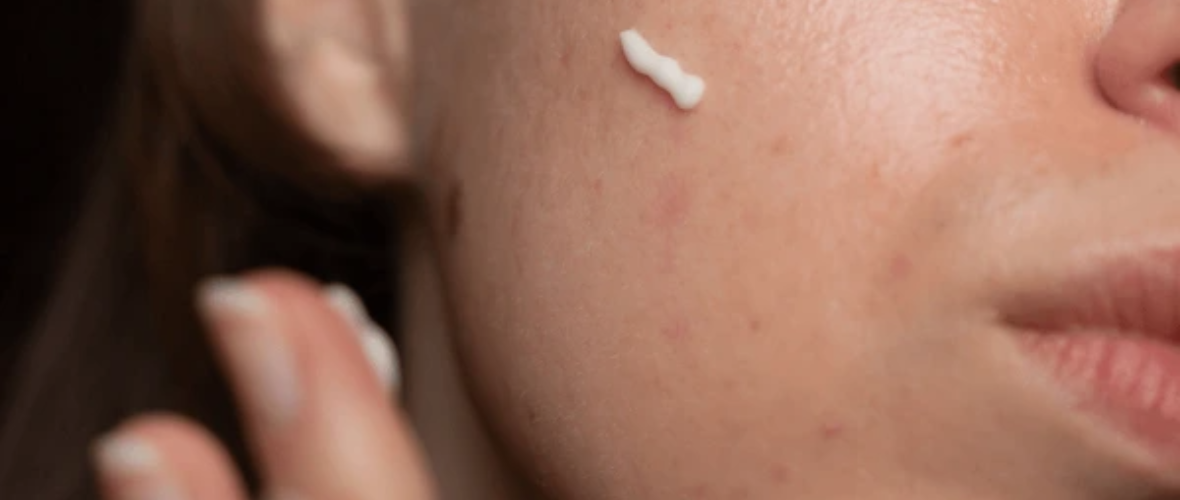
Apply retinoids to clean, dehydrated skin, waiting at least 20 minutes after cleansing to ensure skin is fully dry. Use only a pea-sized amount for the entire face, as retinoids are potent and effective in small quantities.
Complementary Skincare Practices
Pair retinoid use with gentle, hydrating skincare products to support the skin barrier during the adjustment period. Avoid using other potentially irritating ingredients, such as alpha hydroxy acids or benzoyl peroxide, when first introducing retinoids.
Moisturizer application becomes particularly important when using retinoids, as these compounds can initially cause dryness and flaking. Apply a rich, nourishing moisturizer over the retinoid to help maintain skin hydration and comfort.
Conclusion
The scientific evidence overwhelmingly supports the use of retinoids for wrinkle reduction and overall skin rejuvenation. These vitamin A derivatives offer a proven, effective approach to combating signs of aging through multiple mechanisms of action, including collagen stimulation, increased cellular turnover, and protection of existing skin structure.
While the journey to visible results requires patience and consistency, the substantial body of clinical research demonstrates that retinoids can deliver significant improvements in fine lines, wrinkles, and overall skin quality when used appropriately. The key to success lies in choosing the right type of retinoid for your skin type, introducing it gradually to minimize side effects, and maintaining consistent use over time.
For individuals seeking evidence-based anti-aging solutions, retinoids represent one of the most scientifically validated options available. When combined with proper sun protection and a comprehensive skincare routine, these powerful compounds can help achieve and maintain healthier, more youthful-looking skin for years to come.
FAQs:
Q1.How long does it take for retinoids to start working?
Most people notice improvements in skin texture within a few weeks, but visible wrinkle reduction usually takes 3–6 months of regular use.
Q2.What are common side effects, and how can I avoid them?
Dryness, redness, and peeling are common at first. Start slowly, use a moisturizer, and always wear sunscreen.
Q3.Can sensitive skin types use retinoids?
Yes, but start with a low dose and apply less often. Moisturize well and stop if irritation is severe.
Q4.Are prescription retinoids better than over-the-counter ones?
Prescription retinoids are stronger and work faster, but OTC retinols are gentler and still effective over time.
Q5.Can I combine retinoids with vitamin C or hyaluronic acid?
Yes! Use vitamin C in the morning, retinoids at night, and hyaluronic acid anytime for hydration.
Q6.When should I start using retinoids for wrinkles?
Many start in their 20s or 30s, but it’s never too late. Choose based on your skin’s needs.
Q7.How do I add retinoids to my routine?
Apply a pea-sized amount at night to clean, dry skin, and then moisturize. Use sunscreen daily.
Q8.Are retinoids safe during pregnancy or breastfeeding?
No, retinoids should be avoided during pregnancy and breastfeeding.
Q9.What if my skin peels or gets irritated?
Reduce use, moisturize, and avoid other strong products. If irritation continues, consult a dermatologist.
Q10.Do retinoids help with more than wrinkles?
Yes, they also improve skin tone, fade dark spots, and treat acne.
Medical Disclaimer:
This page is not meant to be a diagnosis, treatment, or source of medical advice; rather, it is meant to be informative only. The content is based on current research and expert knowledge, but is not a substitute for consultation with a qualified healthcare professional. Always seek the advice of your physician, dermatologist, or other licensed medical provider with any questions you may have regarding a medical condition or before starting any new skincare regimen. Regardless of anything you’ve read here, you should never disregard or postpone seeking professional medical advice.