Introduction
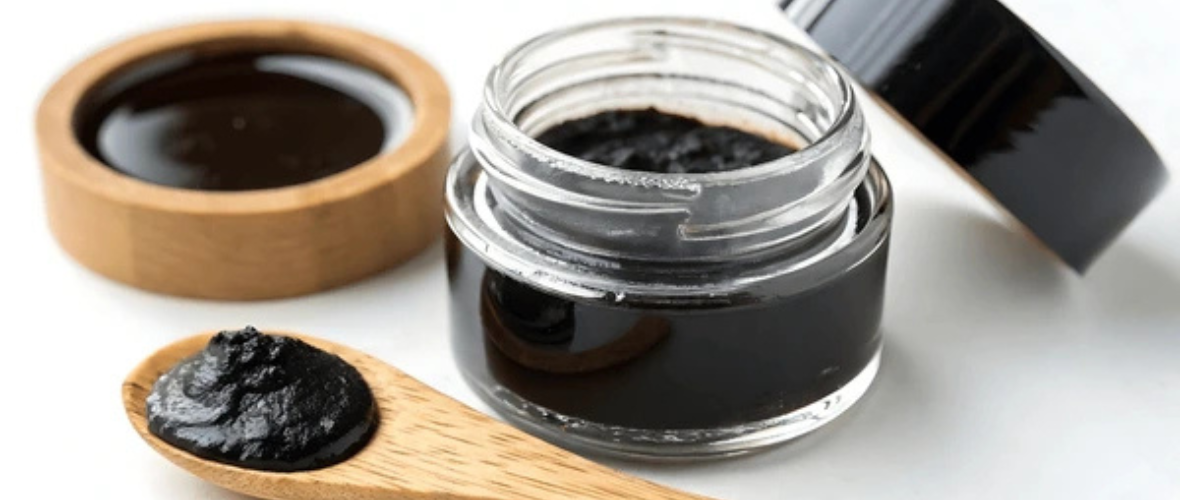
The dark, mineral-rich resin known as shilajit seeps out of rock fissures in high-altitude mountainous areas, including the Altai, Caucasus, and Himalayas. It is a complex mixture of trace minerals and humic compounds, including fulvic acid, that was formed over the ages by the degradation of plant materials enhanced with microbial activity. In traditional Ayurvedic medicine, shilajit is revered as a powerful rasayana (rejuvenative tonic) believed to enhance vitality, longevity, and resilience against disease. Modern research is beginning to identify and validate some of these ancient claims while also highlighting important safety considerations.
This comprehensive guide examines shilajit’s chemical composition, potential health benefits, and associated risks. It aims to provide evidence-based information suitable for a general audience, structured with clear headings, concise paragraphs, and a positive yet balanced tone.
What Is Shilajit?
Origins and Formation
Shilajit forms over centuries in mountainous regions where plant organic matter is compressed between layers of rock under fluctuating temperatures and oxygen-poor conditions. Specific microorganisms facilitate the transformation of this matter into a dense, tar-like substance that seeps from rock fractures during warm weather. Important sources include the Himalayas (India and Nepal), the Caucasus (Russia and Georgia), the Hindu Kush (Pakistan and Afghanistan), and the Altai (Central Asia).
Chemical Composition
The chemical composition of shilajit varies by geographic origin but generally consists of:
- 60–80% humic materials, mostly humic and fulvic acids.
- 15–20% fulvic acid, the main bioactive constituent.
- Minerals such as calcium, magnesium, potassium, iron, and trace elements make up about 20%.
- Amino acids (notably glycine), proteins, fatty acids, and bioactive phenolics such as caffeic acid and gallic acid.
- Dibenzo-α-pyrones (DBPs) and chromoproteins that enhance bioavailability.
The systemic effects and effective intestinal absorption of fulvic acid are made possible by its low molecular weight (~2 kDa). Humic substances in shilajit can also chelate heavy metals, potentially detoxifying them.
Traditional Uses in Ayurveda
For over 3,000 years, Ayurvedic practitioners have used shilajit as a rasayana to promote:
- Enhanced strength, stamina, and vitality
- Balanced energy systems (doshas)
- Support for the immune and nervous systems
- Management of chronic fatigue and debility
- Treatment of genitourinary and digestive disorders
In the past, shilajit was mixed with milk and other herbs to enhance flavor and create a therapeutic effect.
Potential Health Benefits
1) Cognitive Function and Brain Health
Fulvic acid in shilajit may help prevent tau protein aggregation—a hallmark of Alzheimer’s disease—by blocking self-assembly of tau fibrils. Participants with mild Alzheimer’s disease had reduced cognitive deterioration over 24 weeks when shilajit and B vitamins were combined in a short clinical trial as opposed to a placebo. Although promising, larger randomized trials of shilajit alone are needed to confirm cognitive effects.
2) Energy and Stamina Enhancement
Shilajit’s antioxidant components and DBPs support mitochondrial function and ATP production. In an 8-week study with recreationally active men, 500 mg/day of purified shilajit (PrimaVie®) improved retention of maximal voluntary isometric contraction (MVIC) strength and reduced fatigue-induced declines in muscular performance. Participants in the upper 50th percentile of baseline strength experienced significantly less strength loss post-fatigue compared to placebo, indicating enhanced muscular endurance.
3) Male Reproductive Health
Clinical evidence strongly supports shilajit’s role in male fertility. In a randomized, double-blind trial, oligospermic men taking 100 mg of processed shilajit twice daily for 90 days exhibited:
- 37.6% increase in sperm concentration
- 61.4% increase in total sperm count
- Significant improvements in sperm motility
Additional trials have demonstrated significant increases in total and free testosterone as well as dehydroepiandrosterone (DHEAS) levels after 90 days of supplementation. These hormonal enhancements may underlie improvements in libido, muscle mass, and overall male vitality.
4) Immune System Support
Shilajit’s complex mineral profile (including zinc and selenium) and fulvic acid content confer antioxidant and immunomodulatory effects. Fulvic acid has demonstrated complement-fixing activity in vitro, suggesting potential to modulate immune responses. Animal studies indicate enhanced phagocytic activity and increased antioxidant enzyme levels with shilajit supplementation, although human data remain limited.
5) Bone Health
In postmenopausal women with osteopenia, daily supplementation with 250 mg or 500 mg of standardized shilajit extract for 12 months significantly attenuated bone mineral density loss in the lumbar spine and femoral neck compared to placebo. Improvements in oxidative stress markers and bone turnover ratios (e.g., CTX-1, BALP, RANKL/OPG) support shilajit’s role in preserving bone integrity.
6) Anti-Inflammatory and Antioxidant Effects
Fulvic acid is a potent free radical scavenger. In animal models of glucocorticoid-induced osteoporosis, high-dose shilajit decreased levels of malondialdehyde (MDA) and pro-inflammatory cytokines (IL-6) while increasing antioxidant biomarkers and osteoprotective indicators. In humans, shilajit supplementation (500 mg/day) for 30 days decreased serum C-reactive protein (CRP) and pro-inflammatory cytokines IL-1β and IL-6 compared to placebo, indicating systemic anti-inflammatory effects.
7) Cardiovascular Health
Limited human studies suggest favorable lipid-lowering effects. In a small trial, healthy young adults taking 2 g/day of shilajit for 45 days experienced significant reductions in total cholesterol, LDL cholesterol, and triglycerides versus placebo, along with improved antioxidant status. While promising, larger, well-controlled trials are needed to establish shilajit’s role in cardiovascular risk management.
Potential Risks and Side Effects
1) Common Adverse Effects
Shilajit is generally well-tolerated. Mild gastrointestinal symptoms such as nausea, diarrhea, and stomach cramps may occur, especially during initial dosing. Headache, dizziness, or fatigue have been rarely reported. Allergic reactions (e.g., skin rash, itching) are possible; discontinue use if severe symptoms arise.
2) Blood Pressure and Blood Sugar Considerations
Shilajit may lower blood pressure and blood glucose levels. Individuals on antihypertensive, antidiabetic, or anticoagulant medications should use caution and consult a healthcare provider to avoid hypotension, hypoglycemia, or altered bleeding risk.
3) Heavy Metal Contamination
Raw shilajit can accumulate lead, mercury, cadmium, and arsenic due to its geological origins. Quality control and purification are paramount. Most clinical studies use standardized extracts tested to meet or exceed the WHO and FDA permissible limits for heavy metals. Consumers should choose products with third-party heavy metal testing and certificates of analysis.
4) Drug Interactions
Potential interactions may occur with medications affecting blood sugar, blood pressure, or coagulation. Always inform healthcare providers of supplement use.
5) Quality and Purity Concerns
The market contains products of varying quality. Authentic shilajit:
- Becomes pliable when warm and hard when cold
- Dissolves completely in warm water without residue
- Has an earthy aroma and bitter taste
Avoid untested powders or fillers. Look for GMP certification, standardized fulvic acid content (≥ 50%), and transparent sourcing.
Dosage and Administration
Recommended Dosages
Clinical trials have used dosages ranging from 200 mg to 2,000 mg daily, most commonly 500 mg/day split into two doses. For general wellness, start with 150–250 mg/day and adjust based on response and tolerance.
Timing and Forms
Shilajit is available as:
- Resin: Most authentic, highest fulvic acid content; can be mixed in warm water or milk.
- Powder: Easy to use but may contain fillers; make sure to have third-party testing done.
- Capsules/Tablets: Easy to dose and taste-free; choose standardized extracts.
Take on an empty stomach in the morning or between meals for optimal absorption.
Assessing Quality and Choosing a Product
When selecting shilajit:
- Look for third-party testing certificates (heavy metals, microbial, and fulvic acid).
- Ensure ≥ 50% fulvic acid content and standardized DBP levels.
- Prefer products sourced from pristine, high-altitude regions.
- Verify GMP manufacturing and organic certifications.
Frequently Asked Questions
Q: 1 How soon will I notice benefits?
A: Energy and stamina improvements may appear within days to weeks. Fertility and cognitive benefits typically require 2–3 months of consistent use.
Q: Can women take shilajit?
A: Yes. Its anti-inflammatory and antioxidant effects benefit all genders. However, because of the lack of safety information, women who are pregnant or nursing should not use shilajit.
Q:3 How do I verify product authenticity?
A: Authentic shilajit resin is sticky at room temperature, brittle when cold, and dissolves fully in warm water. Look for certificates detailing fulvic acid content and heavy metal analysis.
Q: 4 Is long-term use safe?
A: Traditional use suggests safety for long-term supplementation, but clinical data beyond 90 days are sparse. Rotate or take breaks, choose high-quality products, and monitor health parameters regularly.
Q:5 What should I do if I encounter adverse effects?
A: For mild GI upset, reduce the dose or take with food. If severe symptoms or allergic reactions occur, discontinue use and consult a healthcare provider with batch information.
Conclusion
Shilajit represents a fascinating union of ancient wisdom and modern science. Its rich content of humic substances, particularly fulvic acid, alongside a diverse mineral profile, underlies multiple potential health benefits—from enhanced energy and cognitive support to male fertility, immune function, and bone health. Preliminary evidence also suggests lipid-lowering and anti-inflammatory effects, though further large-scale clinical trials are needed.
Quality and purity are critical: choose reputable brands that conduct rigorous heavy metal and microbial screening. Start with moderate doses (150–250 mg/day), and adjust based on individual response. Monitor for mild side effects and consult healthcare professionals when combining with medications.
When incorporated as part of a balanced lifestyle—including a nutritious diet, regular exercise, and adequate rest—shilajit can serve as a valuable adjunct in the pursuit of optimal wellness. As research advances, clearer guidelines on dosing, long-term safety, and therapeutic applications will emerge, solidifying shilajit’s role as a potent, natural supplement.
Disclaimer:
The information provided is for educational purposes only and is not medical advice. Shilajit supplements vary in purity and quality, and unprocessed forms may contain contaminants like heavy metals or microbes. Consult your healthcare provider before using Shilajit, especially if you are pregnant, breastfeeding, have a medical condition, or take medications. Discontinue use and seek medical advice if you experience adverse reactions. Always purchase supplements from reputable sources with third-party testing for safety and quality.