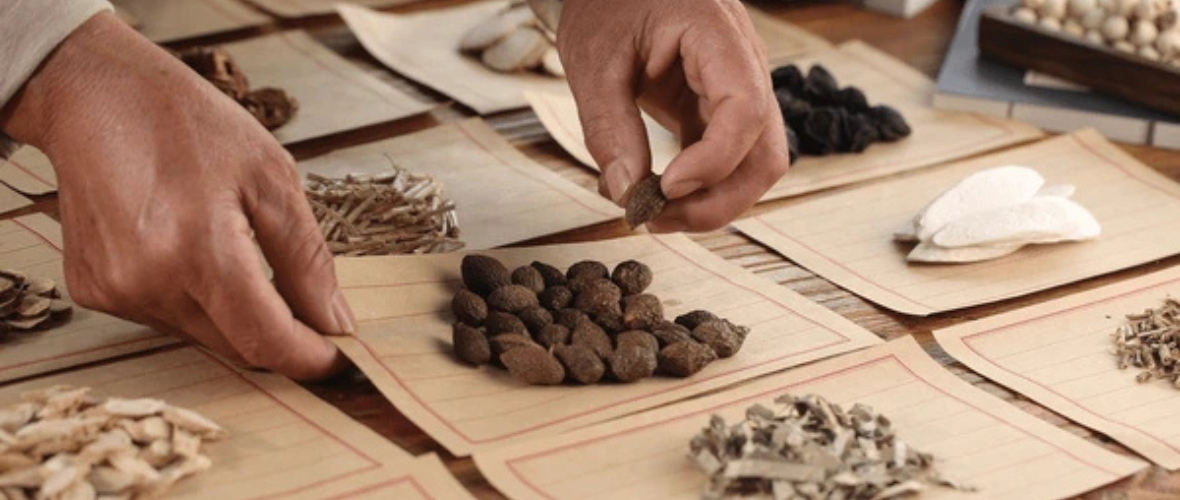
Traditional Chinese Medicine (TCM) has gifted humanity with a treasure trove of natural healing remedies spanning thousands of years. These time-tested Chinese herbs and superfoods offer profound wellness benefits, from boosting immunity and energy to supporting mental clarity and longevity. Modern scientific research increasingly validates what ancient practitioners have long known: these natural compounds possess remarkable therapeutic properties that can enhance overall health and vitality.
Understanding Traditional Chinese Medicine and Adaptogens
The core idea of traditional Chinese medicine from herbs and superfoods is to achieve balance in the body, with an emphasis on the harmonious flow of qi (vital energy) and the harmony of yin and yang forces. Unlike conventional medicine, which often targets specific symptoms, TCM addresses the root causes of health imbalances through holistic healing approaches.
Many of these powerful herbs function as adaptogens—natural substances that help the body adapt to stress and maintain homeostasis. Adaptogens work by regulating the hypothalamic-pituitary-adrenal (HPA) axis, helping to normalize physiological functions and enhance the body’s resilience to various stressors.
15 Superfoods & Potent Chinese Herbs for Maximum Health.
1. Ginseng (Panax ginseng)—The Energy Enhancer
Ginseng stands as the most renowned adaptogenic herb in Traditional Chinese Medicine and superfoods, earning its reputation as a powerful energy booster and immune system supporter. The active compounds called ginsenosides are responsible for ginseng’s remarkable therapeutic effects.
Key Benefits:
- Enhances energy levels and reduces fatigue
- Improves cognitive function and mental clarity
- Strengthens immune system function
- Supports heart health and circulation
- It may help regulate blood sugar levels
Scientific Evidence: Recent studies demonstrate that ginseng supplementation significantly improves cognitive function, particularly in seniors, and shows positive effects on obesity, coronary disease, and diabetes management.
2. Goji Berries (Lycium barbarum)—The Longevity Fruit
Goji berries, also known as wolfberries, are nutrient-dense superfruits packed with antioxidants, vitamins, and minerals. These vibrant red berries have been used in TCM for centuries to promote longevity and enhance vitality.
Nutritional Powerhouse:
- Vitamin A: 893% of daily value per 100g
- Vitamin C: 54% of the daily value per 100g
- Iron: 38% of the daily value per 100g
- High fiber content and essential amino acids
Health Benefits:
- Supports eye health and protects against macular degeneration
- Boosts immune system function
- Provides powerful antioxidant protection
- May support healthy aging
3. Schisandra Berry (Schisandra chinensis)—The Five-Flavor Fruit
Schisandra berries are unique in Traditional Chinese Medicine, as they contain all five tastes—sweet, salty, bitter, pungent, and sour—believed to nourish corresponding organs in the body. This adaptogenic berry is renowned for its anti-aging and liver-protective properties.
Primary Benefits:
- Supports liver function and detoxification
- Protects and promotes collagen production for healthy skin
- Enhances cognitive function and mental clarity
- Reduces stress and supports adrenal function
- It may help with menopausal symptoms
Active Compounds: The berries contain powerful antioxidants, including vitamins C and E, plus unique lignans like deoxyschisandrin and schisandrin B that provide cellular protection.
4. Astragalus Root (Astragalus membranaceus)—The Immune Guardian
Astragalus, known as “huang qi” or “yellow life energy” in Chinese, is one of the most powerful immune-building herbs on the planet. This adaptogenic root has been used for thousands of years to strengthen the body’s natural defenses.
Immune-Boosting Properties:
- Increases white blood cell production
- Enhances resistance to viral infections
- Supports overall immune system function
- It may help reduce allergy symptoms
Additional Benefit
- Supports heart health and circulation
- It may help regulate blood sugar levels
- Protects kidney function
- Anti-inflammatory and antioxidant effects
5. Reishi Mushroom (Ganoderma lucidum)—The Mushroom of Immortality
The reishi mushroom is known as the “mushroom of immortality” because of its exceptional ability to promote health. These fungi contain over 400 different nutrients, including beta-glucans and triterpenoids.
Therapeutic Benefits:
- Boosts immune system function
- May have anti-cancer properties
- Reduces fatigue and supports energy levels
- Promotes better sleep quality
- Supports heart health
Scientific Research: Studies show reishi mushrooms may increase white blood cell activity and support the body’s natural defense mechanisms against infections and abnormal cell growth.
6. Cordyceps (Cordyceps sinensis)—The Athletic Performance Enhancer
When Chinese sportsmen claimed that regular eating of this unusual fungus was responsible for their record-breaking feats, cordyceps received international notice. This parasitic fungus has been used in TCM for centuries to enhance vitality and physical performance.
Performance Benefits:
- May enhance athletic performance and endurance
- Supports respiratory function
- Improves cellular energy production (ATP)
- It may help regulate blood sugar levels
- Supports kidney and liver function
Active Mechanisms: Cordyceps enhances cellular energy in the form of ATP and has been shown to improve oxygen utilization and reduce fatigue.
7. Rhodiola Rosea—The Arctic Adaptogen
The potent adaptogenic plant rhodiola rosea, commonly referred to as “golden root,” thrives in the hostile Arctic environment. This resilient plant has been used for centuries in Russian and Scandinavian traditional medicine.
Stress-Fighting Properties:
- Reduces mental fatigue and improves cognitive performance
- Enhances physical endurance and exercise performance
- Helps manage stress and anxiety
- May improve mood and reduce depression symptoms
- Supports healthy sleep patterns
Bioactive Compounds: The primary active compounds are rosavin and salidroside, which work together to provide adaptogenic effects.
8. Licorice Root (Glycyrrhiza glabra)—The Harmonizing Herb
Licorice root serves as a “harmonizing” herb in TCM formulations, helping to balance and enhance the effects of other herbs while providing its therapeutic benefits. This sweet root contains numerous bioactive compounds, including glycyrrhizin.
Healing Properties:
- Supports digestive health and soothes stomach irritation
- Anti-inflammatory and antimicrobial effects
- It may help treat respiratory conditions
- Supports oral health
- May have anti-cancer properties
Safety Considerations: While generally safe, licorice root should be used in moderation, as excessive consumption may affect blood pressure in sensitive individuals.
9. He Shou Wu (Polygonum multiflorum)—The Hair and Longevity Tonic
He Shou Wu, also known as Fo-Ti, translates to “the black-haired Mr. He,” referencing its traditional use for maintaining youthful hair color and promoting longevity. This powerful tonic herb is revered for its anti-aging properties.
Anti-Aging Benefits:
- May promote hair growth and reduce premature graying
- Supports liver and kidney function
- Enhances blood circulation and quality
- Contains powerful antioxidants, including SOD (superoxide dismutase)
- May support cognitive function and memor
Important Note: Only prepared (processed) He Shou Wu should be used, as raw forms may cause digestive upset.
10. Dong Quai (Angelica sinensis)—The Female Ginseng
Dong Quai, often called “female ginseng,” is a premier herb for women’s health in Traditional Chinese Medicine. For ages, this fragrant root has been utilized to promote hormonal balance and female reproductive health.
Women’s Health Benefits:
- It may help regulate menstrual cycles
- Supports bone health, especially important during menopause
- May improve circulation and blood quality
- Traditional use for menopausal symptom relief
- Supports digestive health
Active Compounds: Contains ferulic acid and other compounds that may have anti-inflammatory and circulation-supporting properties.
11. Turmeric (Curcuma longa)—The Golden Spice
Turmeric, with its vibrant golden color, is one of nature’s most powerful anti-inflammatory compounds. The active ingredient curcumin provides most of turmeric’s therapeutic benefits.
Anti-Inflammatory Powerhouse:
- Potent anti-inflammatory effects throughout the body
- Strong antioxidant properties
- May support joint health and reduce arthritis symptoms
- Supports heart health
- May enhance cognitive function and memory
Bioavailability Improvement: When turmeric is consumed with piperine-containing black pepper, absorption can be increased by up to 2,000%.
12. Green Tea (Camellia sinensis)—The Antioxidant Champion
Green tea is one of the most extensively researched beverages for health benefits, containing powerful polyphenols called catechins. The most abundant and studied catechin is EGCG (epigallocatechin gallate).
Polyphenol Power:
- Exceptional antioxidant properties
- May support cardiovascular health
- Supports brain function and cognitive health
- May aid in weight management
- Potential cancer-protective effects
Scientific Evidence: Research shows green tea polyphenols may help protect against various chronic diseases and support healthy aging.
13. Chrysanthemum Flowers (Chrysanthemum morifolium)—The Eye Soother
Chrysanthemum flowers are commonly used in TCM to clear heat, reduce inflammation, and support eye health. These delicate flowers are often brewed into a refreshing tea with a mild, pleasant flavor.
Traditional Benefits:
- Supports eye health and reduces eye strain
- Helps clear heat and reduce inflammation
- May support respiratory health
- Calming and cooling properties
- Rich in antioxidants and flavonoids
14. Jujube Dates (Ziziphus jujuba)—The Calming Fruit
Jujube dates are sweet, nutritious fruits used in TCM to nourish the blood, calm the spirit, and support digestive health. These dates are rich in vitamins, minerals, and bioactive compounds.
Nourishing Properties:
- Supports nervous system health and promotes calm
- Rich in vitamin C and antioxidants
- May support digestive function
- Traditional use for anxiety and insomnia
- Provides natural energy and nutrients
15. White Mulberry Leaves (Morus alba)—The Blood Sugar Balancer
White mulberry leaves have been used in TCM(Chinese herbs and superfoods )for centuries to support healthy blood sugar levels and overall metabolic function. Many of these historic uses are supported by current research.
Metabolic Support:
- It may help regulate blood sugar levels
- Supports healthy cholesterol levels
- Rich in antioxidants and minerals
- May support weight management
- Traditional use for respiratory health
How to Safely Incorporate Chinese Herbs into Your Wellness Routine
Starting Your Chinese Herbs Journey
1) Begin Gradually:
Start with small doses to assess your body’s response, as individual sensitivity can vary. It is advised to start with smaller dosages and progressively raise them if there are no negative effects.
2) Quality Matters:
Source herbs from reputable suppliers who provide third-party testing for purity and potency. Steer clear of products from dubious sources or those with inflated health claims.
3) Preparation Methods:
Chinese herbs can be consumed in various forms:
- Raw herbs: Traditional decoctions (teas) prepared by boiling
- Powdered extracts: Convenient and standardized concentrations
- Capsules and tablets: Easy-to-use standardized doses
- Tinctures: Liquid extracts for faster absorption
Dosage Guidelines and Safety Considerations
General Dosage Principles:
- Adults: Typically, 250 ml of decoction taken 1-2 times daily
- Children: Approximately 150 ml per serving
- Follow product instructions for standardized extract
Important Safety Precautions:
Medical Supervision: Consult with qualified healthcare practitioners, especially if you have existing health conditions or take medications. Some herbs may interact with pharmaceuticals, particularly blood thinners, antidepressants, and blood pressure medications.
Special Populations: Extra caution is needed for:
- Pregnant and breastfeeding women
- Individuals with autoimmune conditions
- People with hypertension or hyperthyroidism
- Those taking anticoagulant medications
Timing Considerations: Take herbs as directed—some are best consumed before meals, others after, and some at specific times of day. Avoid strong tea or coffee when taking most Chinese herbs.
Potential Side Effects and Contraindications
While generally well-tolerated, some individuals may experience:
- Digestive upset or changes in bowel movements
- Allergic reactions (rare but possible)
- Interactions with existing medications
- Changes in blood pressure or blood sugar levels
Food Restrictions: When taking Chinese herbs, avoid:
- Raw, cold, or hard-to-digest foods
- Excessive spicy or greasy foods
- Alcohol and excessive caffeine
- Specific foods that may counteract herb effects (e.g., radish with ginseng)
Creating Synergistic Herbal Combinations
Traditional Chinese herbs and superfoods Medicine rarely uses single herbs; instead, practitioners create carefully balanced formulations where herbs work synergistically. Primary herbs target the main health concern, supporting herbs enhance the primary effects, and harmonizing herbs (like licorice root) balance the formula and reduce potential side effects.
Popular Beneficial Combinations:
- Ginseng + Astragalus: For immune support and energy enhancement
- Reishi + Schisandra: For liver support and stress reduction
- Goji berries + Chrysanthemum: For eye health and vision support
- Turmeric + Green tea: For comprehensive antioxidant protection
The Science Behind Traditional Wisdom
Modern scientific research increasingly validates the therapeutic effects of these traditional herbs. Advanced analytical techniques have identified specific bioactive compounds responsible for their health benefits:
- Polysaccharides in goji berries and reishi provide immune-modulating effects
- Ginsenosides in ginseng offer adaptogenic and cognitive benefits
- Curcumin in turmeric delivers powerful anti-inflammatory action
- Catechins in green tea provide antioxidant and metabolic support
These compounds work through multiple pathways, including modulation of inflammatory responses, enhancement of antioxidant enzyme systems, and support of cellular energy production.
Sustainable Sourcing and Environmental Considerations
Choose suppliers committed to sustainable harvesting practices and fair trade principles. Many of these herbs require specific growing conditions and careful cultivation methods. Supporting responsible sourcing helps preserve traditional knowledge while protecting the ecosystems where these valuable plants grow.
Frequently Asked Questions
Q: How long will it take for Chinese herbs to start functioning?
A: Results vary depending on the individual, health condition, and specific herbs used. Some people notice improvements within days to weeks, while chronic conditions may require several months of consistent use. Energy and mood improvements often occur more quickly than structural changes.
Q: 2. Are Chinese herbs compatible with pharmaceutical drugs?
A: Many herbs can interact with medications, so it’s essential to consult with both your prescribing physician and a qualified TCM practitioner before combining treatments. Certain herbs can either increase or decrease the effects of medications.
Q: 3 Are Chinese herbs safe for children?
A: Many herbs are safe for children when used appropriately, but dosages must be adjusted for body weight and developmental stage. Always consult with a pediatric healthcare provider before giving herbs to children.
Q: 4 What’s the difference between raw herbs and standardized extracts?
A: Raw herbs provide the full spectrum of plant compounds but require preparation and may have variable potency. Standardized extracts offer consistent concentrations of active compounds and greater convenience but may lack some beneficial compounds found in whole herbs.
Q: 5. How do I know if I’m buying quality herbs?
A: Look for suppliers who provide certificates of analysis, third-party testing results, and clear labeling of botanical names and concentrations. Reputable companies will also provide information about sourcing and manufacturing practices.
Q: 6 Are any of these herbs suitable for home cultivation?
A: Some herbs, like turmeric and certain varieties of chrysanthemum, can be grown in appropriate climates. However, many traditional Chinese herbs require specific growing conditions, processing methods, or lengthy maturation periods that make home cultivation challenging.
Conclusion: Embracing Ancient Wisdom for Modern Wellness
The 15 potent Chinese herbs and superfoods covered in this guide are the culmination of thousands of years of natural healing knowledge. From ginseng’s energy-boosting properties to turmeric’s anti-inflammatory effects, these time-tested remedies offer safe, effective support for modern health challenges.
The key to successfully incorporating these Chinese herbs and superfoods into your wellness routine lies in approaching them with respect, knowledge, and proper guidance. Start slowly, choose quality sources, and consider working with qualified practitioners who can help you create personalized combinations tailored to your specific health goals.
As research continues to unveil the scientific mechanisms behind traditional healing wisdom, we gain deeper appreciation for the sophisticated understanding our ancestors developed about plants and their therapeutic potential. By honoring this knowledge while applying modern safety standards and quality controls, we can harness the remarkable healing power of nature to support optimal health and vitality throughout our lives.
Keep in mind that mental, emotional, and spiritual well-being are all components of true wellness, in addition to physical health. These powerful Chinese herbs and superfoods, used mindfully and consistently, can serve as valuable allies on your journey toward comprehensive wellness and longevity.