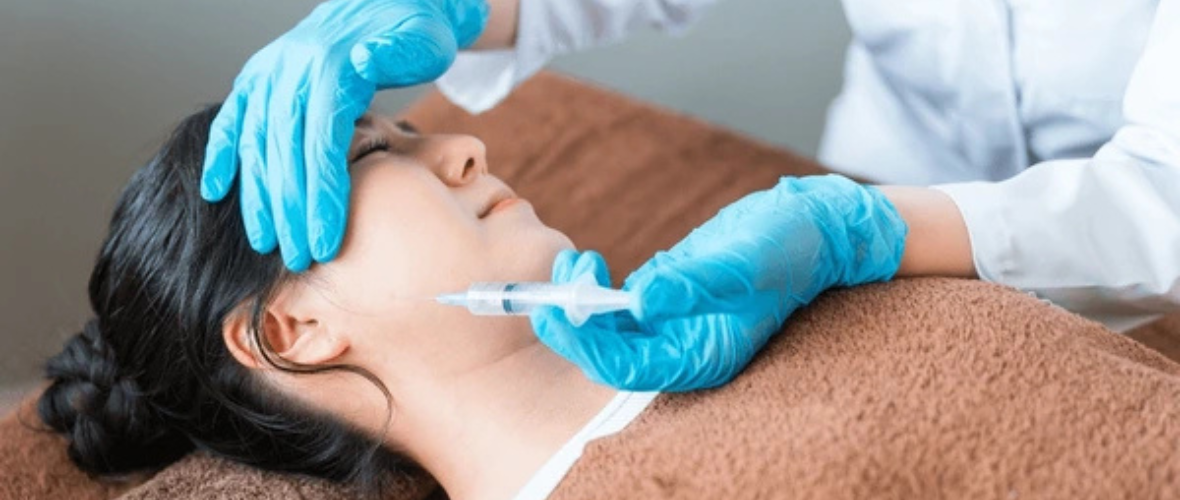
Cosmetic injectables have transformed the world of aesthetic medicine, offering nonsurgical solutions for those seeking to rejuvenate their appearance, enhance facial features, or combat the visible signs of aging. Whether you’re considering your first treatment or simply want to stay informed, understanding the benefits, risks, and aftercare of cosmetic injectables is essential for making safe and satisfying choices.
Understanding Cosmetic Injectables
Cosmetic injectables are minimally invasive treatments administered through tiny needles to improve facial aesthetics. They can smooth wrinkles, restore lost volume, enhance facial contours, and even prevent future signs of aging. The two main categories are
- Dermal Fillers: These substances (often hyaluronic acid-based) add volume, smooth lines, and contour the face.
- Neurotoxins: Most commonly known as Botox, these temporarily relax facial muscles to reduce the appearance of dynamic wrinkles.
Each type of injectable serves different purposes and is chosen based on a patient’s unique goals and facial anatomy.
Types of Cosmetic Injectables
1. Dermal Fillers
Gel-like materials called dermal fillers are injected beneath the skin to improve facial features, remove wrinkles, smooth lines, and replace lost volume. Common brands include Juvederm, Restylane, and Belotero.
- Hyaluronic Acid Fillers: The most popular type, hyaluronic acid, is a naturally occurring substance in the body, making these fillers safe and reversible.
- Calcium Hydroxylapatite: Used for deeper wrinkles and volume loss.
- Poly-L-lactic Acid: Stimulates collagen production for longer-lasting results.
- Although less popular now, collagen fillers are nevertheless utilized for certain purposes.
2. Neurotoxins (Botulinum Toxin)
Botulinum toxin type A (Botox, Dysport, Xeomin) is injected into specific facial muscles to temporarily block nerve signals, reducing muscle activity and smoothing dynamic wrinkles such as crow’s feet, forehead lines, and frown lines.
3. Skin Boosters and Biostimulators
Injectable skin boosters (like Profhilo) and biostimulators (like Sculptra) focus on improving skin quality, hydration, and elasticity by stimulating collagen and elastin production.
How Cosmetic Injectables Work
- Dermal Fillers: Fillers plump up the skin by physically filling lines, wrinkles, and hollow areas. Hyaluronic acid fillers also attract water, further enhancing volume and skin hydration.
- Neurotoxins: Neurotoxins: These make skin smoother and younger-looking by relaxing the muscles that cause expression lines.
- Skin Boosters: Injected superficially, they hydrate and revitalize the skin, improving texture and glow.
Benefits of Cosmetic Injectables
1. Non-Surgical and Minimally Invasive
Injectables offer significant results without the need for surgery, anesthesia, or lengthy downtime. Most treatments are completed in under an hour, and patients can resume normal activities quickly.
2. Immediate and Natural-Looking Results
- Fillers provide instant volume and contouring.
- The effects of neurotoxins continue for several months and manifest within a few days.
- Treatments can be customized for subtle or more dramatic enhancements.
3. Versatility
Injectables can address a wide range of concerns:
- Smoothing wrinkles and fine lines
- Restoring volume to cheeks, lips, and temples
- Contouring the jawline and chin
- Improving skin hydration and elasticity
4. Temporary and Adjustable
Most injectables are temporary, allowing patients to adjust their treatments over time as their preferences or facial anatomy change.
5. Psychological and Social Benefits
Studies show that cosmetic injectables can improve self-confidence and reduce appearance-related distress, positively impacting psychological and social well-being.
Risks and Side Effects of Cosmetic Injectables
Even while cosmetic injectables are generally safe when used by experienced medical practitioners, there are some risks associated with their use.
Common Side Effects
- Bruising and Swelling: The most frequent side effects usually resolve within a few days.
- Redness and Tenderness: Temporary and localized at the injection site.
- Mild Pain or Discomfort: Often described as a pinching or stinging sensation.
Less Common Risks
- Infection: Rare, but possible if proper sterilization is not maintained.
- Allergic Reactions: More likely with certain fillers, though hyaluronic acid fillers have a low risk due to their biocompatibility.
- Asymmetry or Uneven Results: Can occur if the product is not placed evenly or if swelling is uneven.
- Lumps or Nodules: Sometimes palpable or visible, especially if filler is placed too superficially.
- Headaches: Occasionally reported after neurotoxin injections.
Serious Complications (Rare)
- Vascular Occlusion: If filler is accidentally injected into a blood vessel, it can block blood flow, leading to tissue damage or, in rare cases, blindness.
- Nerve Damage: May result in temporary or, very rarely, permanent weakness or numbness.
- Skin Necrosis: Loss of skin due to disrupted blood flow, requiring urgent medical attention.
Long-Term and Delayed Risks
- Chronic Swelling or Inflammation: Rare, but possible.
- Delayed Allergic Reactions: May appear days to weeks after injection.
- Migration or Movement of Filler: Can result in lumps or unevenness over time.
Key Takeaway: The risk of complications is minimized by choosing a qualified, experienced provider and following all pre- and post-treatment instructions.
Who Should Avoid Cosmetic Injectables?
- Pregnant or Breastfeeding Women: Most providers avoid treating these groups due to insufficient safety data.
- People with Active Skin Infections or Severe Allergies: Injections should not be performed on infected or inflamed skin.
- Individuals with certain medical conditions, such as bleeding disorders or uncontrolled autoimmune diseases.
A thorough consultation and medical history review are essential before proceeding.
Preparing for Your Injectable Treatment
- Avoid Alcohol and Blood Thinners: For at least 24 hours before treatment to reduce bruising risk.
- Pause. Certain supplements, such as vitamin E, fish oil, and aspirin (unless medically necessary), can increase bleeding.
- Bring clean skin that is devoid of lotions and cosmetics.
- Discuss Your Goals and Medical History: Be open with your provider about previous treatments, allergies, and expectations.
What to Expect During the Procedure
- During the consultation, your provider will examine the structure of your face, talk with you about your objectives, and suggest the best products.
- Cleaning the region and using a topical numbing lotion for comfort are steps in the preparation process.
- Post-Treatment: You may receive an ice pack to reduce swelling, and aftercare instructions will be provided.
Aftercare for Cosmetic Injectables
Optimal outcomes are ensured, and side effects are reduced with proper aftercare.
General Aftercare Tips
- Stay Upright: Remain upright for at least four hours after treatment to allow the product to settle.
- Avoid Touching or Massaging: Do not rub or apply pressure to treated areas for at least 24 hours.
- Skip Strenuous Exercise: Avoid heavy exercise for 12-24 hours, especially activities involving inverted poses (like yoga).
- Delay Other Treatments: Wait at least two weeks before facials, microdermabrasion, or other skin treatments.
- To lower the risk of bruises, abstain from blood thinners and alcohol for 24 hours after treatment.
- Protect Your Skin: Avoid extreme heat (saunas, hot tubs) and cold for a few days.
Managing Side Effects
- Bruising and Swelling: Apply a cold pack gently to the area.
- Redness or Tenderness: Usually resolves within a few days.
- Lumps or Bumps: May occur but often resolve. Attend follow-up appointments if you have concerns.
When to Seek Medical Attention
- Severe Pain or Discoloration: Could indicate vascular compromise—seek immediate care.
- Infection-related symptoms, like pus, edema, redness, or warmth at the injection site.
- Persistent or Worsening Symptoms: Always consult your provider if something feels wrong.
How Long Do Results Last?
- Dermal Fillers: Results typically last from 6 months to 2 years, depending on the product, area treated, and individual metabolism.
- Neurotoxins: Effects usually last 3-4 months, after which repeat treatments are needed to maintain results.
- Skin Boosters: Duration varies, but often requires a series of sessions for optimal effect.
Choosing the Right Provider
Your injector’s expertise and experience determine your safety and happiness.
- Medical Qualifications: Board-certified dermatologists, plastic surgeons, or trained aesthetic practitioners.
- Experience: Ask about their experience with the specific injectable and treatment area.
- Reputation: Check reviews, before-and-after photos, and clinic policies.
- Consultation Process: A good provider will listen to your goals, explain risks, and answer all your questions.
Frequently Asked Questions (FAQs)
Q: Are cosmetic injectables safe?
A: Cosmetic injectables are generally safe when used by trained practitioners. Most side effects are mild and temporary, but serious complications, though rare, can occur.
Q: How soon will I see results?
A: Fillers provide immediate results, while neurotoxins (like Botox) take 2-7 days to show effects, with full results in about two weeks.
Q: How long do results last?
A: Dermal fillers last 6 months to 2 years, and neurotoxins last 3-4 months. Maintenance treatments are required for continued results.
Q: Does the procedure hurt?
A: Most people describe the sensation as a mild pinch or stinging. For extra comfort, topical anesthetics might be applied.
Q: Can I go back to work after treatment?
A: Yes, most people return to normal activities immediately. Minor swelling or bruising can be concealed with makeup after a few hours.
Q: Are injectables reversible?
A: Hyaluronic acid fillers can be dissolved with an enzyme called hyaluronidase if needed. Neurotoxins are not reversible but wear off naturally.
Q: Can I have injectables while pregnant or breastfeeding?
A: No, it is generally advised to avoid cosmetic injectables during pregnancy and breastfeeding due to insufficient safety data.
Q: What if I don’t like my results?
A: Communicate with your provider. Many concerns can be addressed with adjustments or, in the case of hyaluronic acid fillers, reversal.
Final Thoughts
Cosmetic injectables provide a personalized, safe, and efficient method of improving and rejuvenating the face. By understanding the benefits, risks, and proper aftercare, you can make informed decisions and achieve natural-looking, satisfying results. Always choose a qualified provider, follow their instructions, and don’t hesitate to ask questions. When used properly, cosmetic injectables can help you feel and look your best in a safe and self-assured manner.