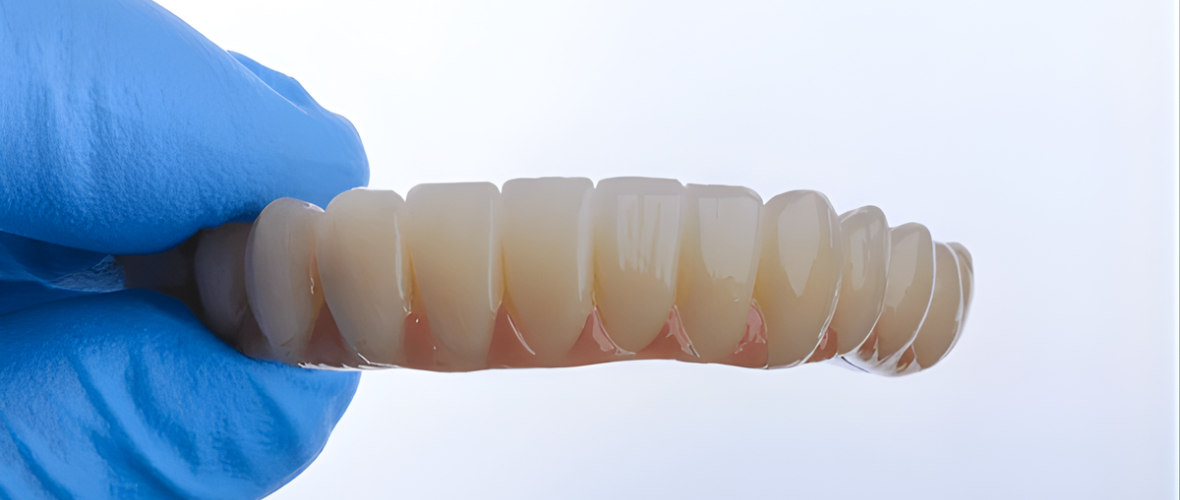
A healthy smile is an aggregate of colorful enamel and wholesome gums. Sometimes, gum tissue can end up diseased, overgrown, or aesthetically unbalanced, impacting oral fitness and appearance. In such instances, a dental procedure called a gingivectomy can help restore both characteristics and aesthetics. This comprehensive manual covers the entirety of what you want to know about gingivectomy: what it’s for, why it’s performed, the method itself, its benefits, capability risks and complications, long-term side effects, and guidelines for easy healing.
What Is a Gingivectomy?
A gingivectomy is a surgical dental process wherein a dentist or periodontist removes part of the gum tissue (gingiva) surrounding the teeth. The principal motive is to eliminate diseased or excess gum tissue, address gum disease, or improve the appearance of your smile. Gingivectomy can be performed for both medical and splendor reasons.
Why Is a Gingivectomy Needed?
A gingivectomy can be recommended in several situations:
Treatment of Gum Disease: When gum disease (gingivitis or periodontitis) leads to deep pockets of infection in some of the teeth and gums, a gingivectomy can remove the diseased tissue and decrease the chance of similar contamination.
1) Gum Overgrowth (Hyperplasia):
Certain drug treatments or situations can cause gums to grow excessively, making oral hygiene hard and increasing the infection. Removing extra tissue restores gum health and makes cleansing simpler.
2) Cosmetic Enhancement:
For individuals with a “gummy smile” (excessive gum display) or uneven gum lines, a gingivectomy can create a more appealing, balanced appearance.
- Mission to prevent cavities or other dental troubles.
- Removing this tissue enables more effective treatment.
Who Is a Candidate for Gingivectomy?
You can be a candidate for a gingivectomy procedure if you have:
- Persistent gum disorder will not respond to non-surgical treatments
- Enlarged or overgrown gums due to trauma, genetics, or irritation
- Cosmetic problems with your gum line or smile
- Gum tissue that interferes with dental restorations or fillings
A dental expert will examine your oral health and communicate whether or not a gingivectomy is appropriate for you.
How Is a Gingivectomy Performed?
Preparation
Before the method, your dentist will:
- Review your scientific and dental records
- Take X-rays or digital scans of your enamel and gums.
- Discuss your goals and expectations.
- Provide pre-process care commands.
The Procedure: Step-by-Step
1) Local Anesthesia:
The region is numbed with a local anesthetic for comfort.
2) Marking the Tissue:
The dentist marks the gum tissue to be eliminated.
3) Tissue Removal:
Using a scalpel or dental laser, the dentist gets rid of the targeted gum tissue. Lasers are increasingly well-known for their precision and reduced bleeding.
4) Reshaping and Smoothing:
The ultimate gum tissue is fashioned for an herbal, healthful contour.
5) Cleaning:
The location is wiped easily with saline or a unique rinse.
6) Protection:
A tender dressing or bandage may be applied over the region to guard it at some stage in preliminary restoration.
Scalpel vs. Laser Gingivectomy
| Feature | Scalpel Gingivectomy | Laser Gingivectomy |
| Tool Used | Surgical scalpel | Dental laser |
| Bleeding | More bleeding | Less bleeding (cauterizes) |
| Infection Risk | Slightly higher | Lower (sterilizes as it cuts) |
| Healing Time | Standard | Often faster |
| Precision | Good | Excellent |
| Cost | Generally lower | Usually higher |
| Availability | Widely available | May require specialists |
Benefits of Gingivectomy
1. Improved Gum Health
- Removes infected or infected tissue, reducing the hazard of similar gum disorders and enamel loss.
- Eliminates deep pockets where microorganisms can gather, making oral hygiene more powerful.
2. Enhanced Smile Aesthetics
- Reshapes choppy or uneven gums, developing a more harmonious smile.
- Reduces the advent of a “gummy smile,” boosting self-assurance.
3. Better Oral Hygiene
- Exposes greater tooth surface, making brushing and flossing much less complex.
- Reduces areas where meals and plaque can get trapped.
4. Facilitates Dental Treatments
Provides higher proper entry to fillings, crowns, and exceptional restorations.
5. Quick Recovery and Lasting Results
- Most sufferers experience mild discomfort and get higher rapidly, particularly with laser techniques.
- With proper care, outcomes may be long-lasting.
Risks and Complications
While the gingivectomy procedure is typically comfortable, it does bring a few dangers and complications:
Common Risks
1. Pain and Discomfort:
Mild to moderate aches are common after the system, generally potential with pain relievers.
2. Bleeding:
Minor bleeding during and after the system is well-known. Rarely, excessive or extended bleeding may occur, specifically in patients with bleeding problems or on blood thinners.
3. Swelling and Bruising:
Swelling and bruising are ordinary and generally resolve within a few days.
4. Infection:
There is a danger of infection at the surgical site. Signs encompass expanded redness, swelling, pain, pus, or fever. Good oral hygiene and, if prescribed, antibiotics assist in limiting this threat.
5. Tooth Sensitivity:
Teeth may additionally become sensitive to temperature changes or high-quality ingredients, particularly if roots are exposed. This is frequently transient but can persist in a few instances.
6. Gum Recession:
Removing gum tissue can bring about gum recession, exposing more of the tooth or its root.
7. Altered Gum Appearance:
Permanent modifications in gum form and contour are predicted. Occasionally, choppy restoration may additionally require additional adjustments.
8 Allergic Reactions:
Rarely, sufferers may react to nearby anesthesia or materials used at some point in the technique.
9. Delayed Healing:
Some people may heal more slowly, especially if they smoke or have certain medical conditions.
10. Recurrence of Gum Issues:
If oral hygiene isn’t always maintained, gum disease or overgrowth can recur, probably requiring further remedy.
Rare but Serious Risks
Systemic Infection:
For sufferers with compromised immune systems or positive clinical conditions, microorganisms from the surgical site can enter the bloodstream. Antibiotic prophylaxis can be encouraged.
Adverse Reaction to Anesthesia: Rare, however feasible.
Long-Term Side Effects
While most sufferers experience massive advantages, gingivectomy will have some long-term side effects:
1. Gum Recession
The removal of gum tissue can cause the gums to recede, exposing more of the tooth or root, which can also cause sensitivity and affect the look.
2. Changes in Gum Contour
The new gum line is permanent, and some patients may additionally find the altered look much less fascinating than predicted.
3. Tooth Sensitivity
Long-term sensitivity can stand up, particularly if roots are uncovered. This can also, moreover, persist with hot, bloodless, or acidic foods and drinks.
4. Recurrence of Gum Disease
Gingivectomy treats cutting-edge gum ailments but does no longer take away the danger of dental issues if oral hygiene lapses.
5. Increased Risk of Root Decay
Exposed tooth roots are more prone to decay, considering they lack a protective layer.
6. Permanent, Non-Reversible Changes
The adjustments in your gum line and oral anatomy are permanent, as gum tissue no longer regenerates after a gingivectomy procedure.
What to Expect During Recovery
Immediate Postoperative Period (First 24–48 Hours)
Bleeding and Swelling:
Mild bleeding and swelling are normal after gingivoplasty. Use gauze and cold compresses as directed.
Pain Management:
Discomfort is normally mild to moderate and may be managed with over-the-counter pain relievers.
Diet:
Stick to easy components and keep away from warm, highly spiced, or crunchy items.
First Week
Healing:
Gums begin to heal; redness and tenderness subside.
Oral Hygiene:
Brush gently and rinse with warm saltwater or as directed.
Follow-Up:
Your dentist might also schedule a follow-up visit to reveal healing.
Two Weeks to One Month
Tissue Reattachment:
Gums hold to heal and shape a more natural gum line.
Discomfort:
Most pain needs to be long past; resume regular weight loss programs and hygiene.
One to Three Months
Complete Healing:
Full recovery and stabilization can take up to 3 months.
Tips for a Smooth Recovery
1) Follow the Dentist’s Instructions:
Adhere to all aftercare recommendations.
2) Avoid Smoking and Alcohol:
These can delay recovery and bring on headaches.
Eat soft, nutritious foods: yogurt, eggs, and smoothies are the right picks.
3) Stay Hydrated:
Drink water; however, keep away from straws.
Monitor for Complications:
Contact your dentist if you experience excessive bleeding, pain, pus, or fever after gingivoplasty.
Yes, there are long-term capabilities and long-term period aspect results associated with a gingivectomy. While the process is robust for treating gum disorders and improving the appearance of the gumline, it’s essential to be aware of the following possible long-term effects:
Are there any prolonged-term period thing consequences of a gingivectomy
Yes, there are functional long-term facet outcomes related to a gingivectomy. While the method is strong for treating gum disorders and enhancing the appearance of the gumline, it’s vitally critical to be aware of the subsequent possible long-term outcomes:
1) Gum Recession
One of the most tremendous long-term side effects is gum recession. Since gingivectomy involves the permanent removal of gum tissue, the gums may additionally recede, exposing more of the enamel or perhaps the root. This could even make enamel seem longer and might increase the danger of sensitivity and root decay. Permanent Changes in Gum Contour
Gingivectomy alters the shape and contour of your gums. While this is often the desired result for beauty techniques, a few patients may additionally find the brand-new gum line aesthetically special or a whole lot less attractive than anticipated. These changes are irreversible because, following a gingivectomy, the gum tissue no longer grows.
2) Tooth Sensitivity
Long-term enamel sensitivity is feasible, especially if the roots of the teeth end up uncovered due to gum recession. This sensitivity can also persist, mainly at the same time as ingesting hot, cold, or acidic ingredients and beverages.
3) Recurrence of Gum Disease
Although gingivectomy can correctly cope with existing gum disease, it does not take away the threat of future gum troubles. If the right oral hygiene isn’t maintained, gum disease can recur, probably requiring additional remedy.
4) Increased Risk of Root Decay
With more of the enamel root uncovered because of gum recession, there may be a higher risk of developing root caries (decay) over time, as the root surface is more inclined than the enamel-covered crown of the tooth.
5) Loosening of Teeth
In rare cases, disposing of too much gum tissue can compromise the useful resource across the teeth, possibly leading to improved tooth mobility or loosening over time.
Summary Table: Long-Term Side Effects of Gingivectomy
| Side Effect | Description |
| Gum Recession | Permanent exposure of more tooth/root surface may cause sensitivity |
| Changes in Gum Contour | Irreversible alteration of gum shape and smile aesthetics |
| Tooth Sensitivity | Persistent sensitivity to temperature and certain foods |
| Recurrence of Gum Disease | Risk returns if oral hygiene lapses |
| Increased Root Decay Risk | Exposed roots are more prone to cavities |
| Tooth Loosening (rare) | Increased tooth movement could result from removing too much tissue. |
Preventing and Managing Long-Term Side Effects
1) Maintain Excellent Oral Hygiene:
Brush and floss often to prevent the recurrence of gum disease and defend uncovered roots.
2) Regular Dental Check-Ups:
Professional monitoring can help detect problems early.
3) Use Desensitizing Toothpaste:
This can help manage ongoing sensitivity.
4) Healthy Lifestyle Choices:
Avoid tobacco and consume a balanced food regimen to usefully resource gum health.
5) Observe the dentist’s advice:
It’s critical to follow post-operative and continuing care instructions.
Frequently Asked Questions
Q1) Is gingivectomy painful?
Most sufferers experience minimal pain sooner or later after the procedure due to local anesthesia. Some ache can also stand up after, but it is also mild.
Q2) How long does the process take?
Typically 30–60 minutes for small areas; longer for extra-large areas.
Q3) Will my insurance cover a gingivectomy?
Coverage varies. Medically important procedures are more likely to be protected than beauty ones. Check the side of your company.
Q4) How soon can I return to normal sports?
Most humans can resume everyday activities on the same day; however, relaxation is recommended for the first 24–48 hours.
Q5) Are the outcomes permanent?
Yes, but maintaining good dental hygiene is crucial to halting the progression of gum disease.
Conclusion
A gingivectomy is a secure, effective, and commonly completed dental method that would dramatically enhance your oral health and the appearance of your smile. However, as with every surgical treatment, it includes dangers, potential headaches, and some long-term side effects. Understanding those elements, following your dentist’s instructions, and preserving exceptional oral hygiene will let you experience the blessings of a gingivectomy for many years.
If you suspect you’ll likely gain from a gingivectomy, consult your dentist or periodontist. With expert guidance and the right care, you may accumulate a better-shaped mouth and a more confident smile.
Disclaimer:
This article is for informational purposes and is high-quality, but it does not offer an alternative to expert dental advice. Always consult your dentist for personalized hints.